
Summer dress trends this year lean into an easy promise: look put-together without feeling overdressed or overheated. If you want “light and cute” but still practical for workdays, weekends, and travel, the trick is choosing a trend that matches your real life, not just a pretty photo.
A lot of people get stuck in the same loop, they buy one “viral” dress, it fits the vibe but not the day, and it ends up living in the back of the closet. Heat, humidity, dress codes, and comfort needs all matter more than we admit.
Below, you’ll find the trends that are actually showing up across brands right now, plus a simple way to decide which silhouettes and fabrics make sense for your body, your climate, and your calendar.
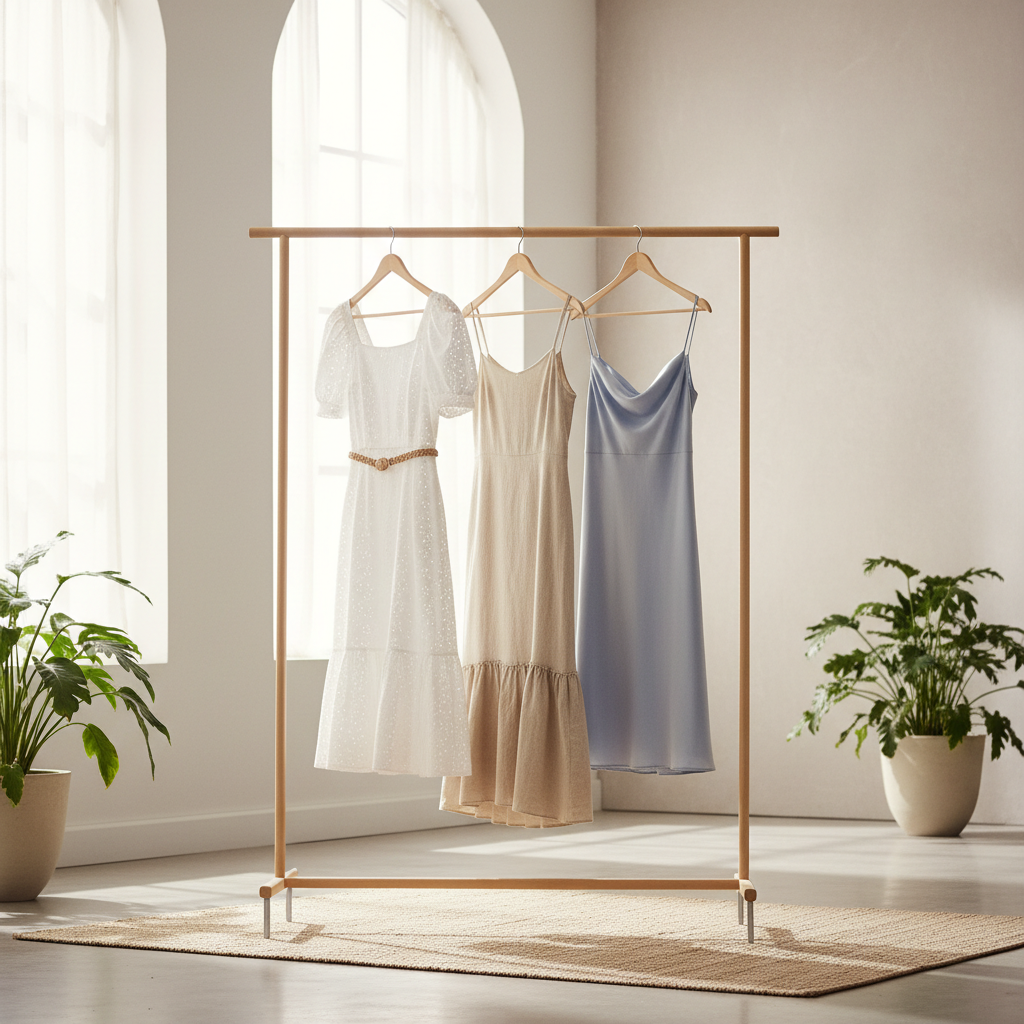
What’s driving this season’s summer dress trends
Most warm-weather fashion cycles come back to the same needs, breathable fabric, flexible styling, and shapes that move. This year, a few forces push those needs into clearer “rules.”
- Comfort gets prioritized: People want dresses that feel like loungewear but read as “styled,” think smocking, elastic waists, forgiving cuts.
- Heat management matters: Natural fibers and looser silhouettes rise when many regions hit longer hot spells.
- Outfit versatility: One dress that can do brunch, errands, and a casual dinner wins over a single-occasion piece.
- More honest sizing and fit: Adjustable straps, wrap elements, and ruching show up because they solve fit issues without tailoring.
According to the National Weather Service, extreme heat is a major weather-related risk in the U.S., and that reality nudges shoppers toward lighter, more breathable wardrobe choices for daily wear.
Top light & cute trends to know (and who they work for)
Here are the summer dress trends that feel genuinely wearable. I’m calling out what each does well, and where it can be annoying in real life.
1) Linen and linen-blends in easy shapes
Linen dresses in shift, A-line, and relaxed midi cuts look effortless and stay cooler than many synthetics. The downside is obvious, wrinkles, but many people decide it’s part of the charm.
- Best for: humid climates, travel days, anyone who hates clingy fabric
- Watch for: fully lined linen can trap heat, light lining is usually better
2) Smocked bodices and “nap dress” energy
Smocking (that stretchy gathered panel) gives a cute, fitted look without a zipper fight. It’s also forgiving after a big meal, which is not nothing in summer.
- Best for: fluctuating fit, long days out, casual dress codes
- Watch for: too-tight smocking can feel restrictive, size up if you’re between sizes
3) Slip dresses, but styled softer
Slip dresses aren’t new, but they’re showing up in more day-friendly prints and textures. If you like a sleek line but want “cute,” add contrast with a cardigan, linen shirt, or flat sandals.
- Best for: date nights, minimal wardrobes, layering lovers
- Watch for: thin fabric can show lines, a smooth slip or seamless underwear helps
4) Tiered midis and floaty maxis
Tiered skirts photograph beautifully and feel breezy. The key is picking a tier placement that doesn’t cut across the widest part of your hips if that bothers you.
- Best for: walking-heavy days, beach towns, “one-and-done” outfits
- Watch for: too much fabric in heavy humidity can feel bulky
5) Mini dresses with sleeves (balance is the point)
A short hem plus a sleeve, puff, flutter, or cap, makes the look feel intentional rather than “I wore the shortest thing I own.” It’s also more sun-friendly on shoulders.
- Best for: weekends, outdoor events, casual parties
- Watch for: some sleeves restrict arm movement, raise your arms in the fitting room
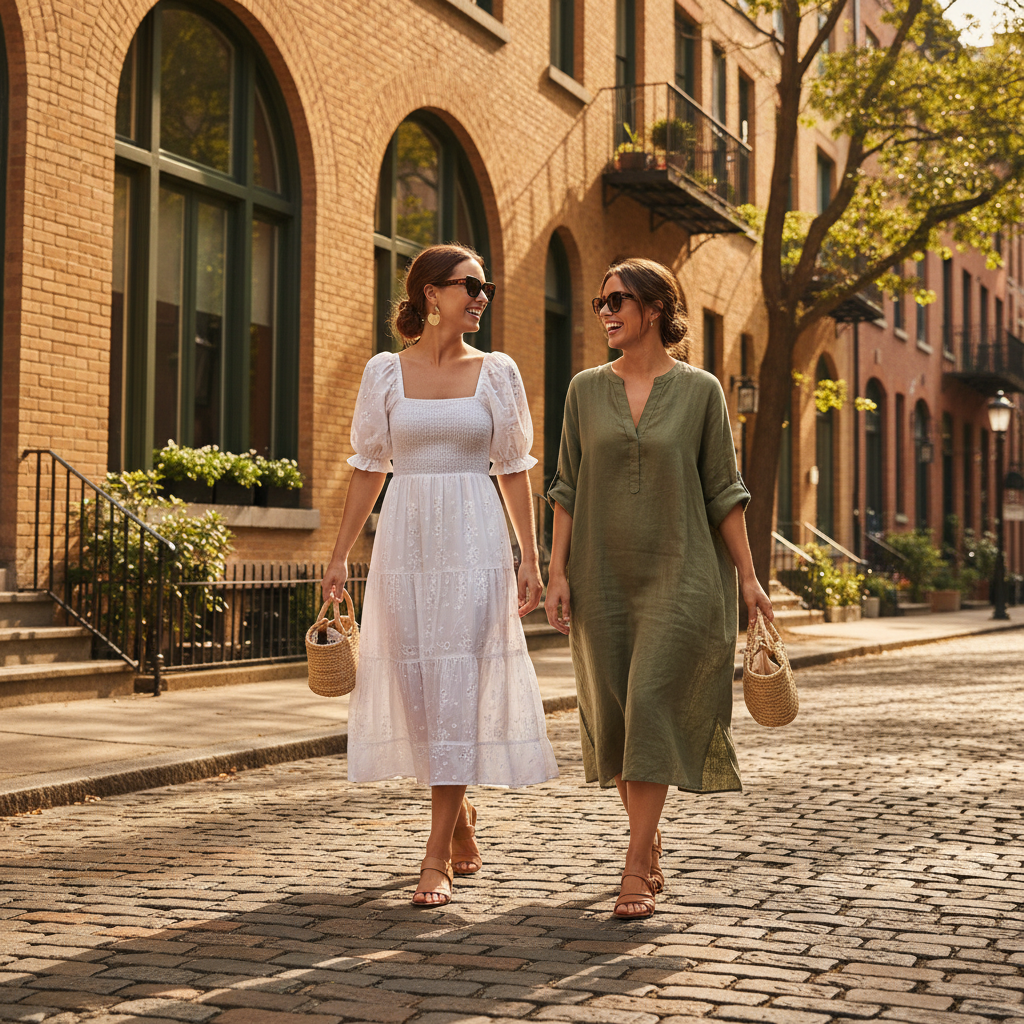
Quick self-check: which trend should you actually buy?
If you want fewer regret purchases, decide based on friction points, heat, bra situation, and how often you’ll rewear it. This takes two minutes and saves you a return trip.
- If you run hot: pick linen, cotton poplin, gauze, or a looser silhouette with airflow.
- If you want zero fuss: smocked or wrap styles, adjustable straps, machine-wash fabrics.
- If you need office-friendly: midi length, higher neckline, sleeves or easy layering.
- If you hate strapless bras: wider straps, square necks, or styles that work with a standard bra.
- If you walk a lot: consider chafe, looser skirts, bike shorts underneath, and breathable fabric.
Key point: the “cutest” option on a hanger is not always the one you’ll reach for at 8 a.m. before a hot commute.
Trend-to-outfit guide: what to wear it with
These pairings keep the dress as the hero while making the outfit look finished, not accidental.
Simple outfit formulas
- Linen shift + leather slides + woven tote + small gold hoops
- Smocked midi + white sneakers + crew socks (optional) + denim jacket for A/C
- Slip dress + oversized linen button-down + flat sandals + sleek claw clip
- Tiered maxi + minimal tank underlayer (if sheer) + strappy sandals + SPF lip balm
- Mini with sleeves + fisherman sandals + crossbody bag + sunglasses
A quick color tip that usually works
If you want “light and cute,” keep either the dress color or the accessories soft and minimal, and let one piece carry the personality, print, bright shoe, or bold bag, not all three at once.
Fabric and fit: where cute outfits succeed or fail
A dress can be on-trend and still feel wrong if the fabric fights the weather or the fit fights your day. Many summer dress trends look similar in photos, but feel totally different on the body.
| What you want | Look for | Common pitfall |
|---|---|---|
| Breathability | Cotton, linen, viscose/rayon (quality varies) | Polyester that traps heat in humidity |
| Less wrinkling | Linen-blend, textured cotton, seersucker | Stiff fabric that creases sharply at the waist |
| Easy movement | Room at hips, adjustable straps, back smocking | Too-tight bust area pulling at seams |
| Not see-through | Substantial weave, light lining, darker prints | White or pastel in thin fabric under direct sun |
According to the U.S. Federal Trade Commission (FTC), reading clothing labels helps shoppers understand fiber content and care needs, which is especially useful when you’re trying to avoid hot, plasticky fabric in summer.
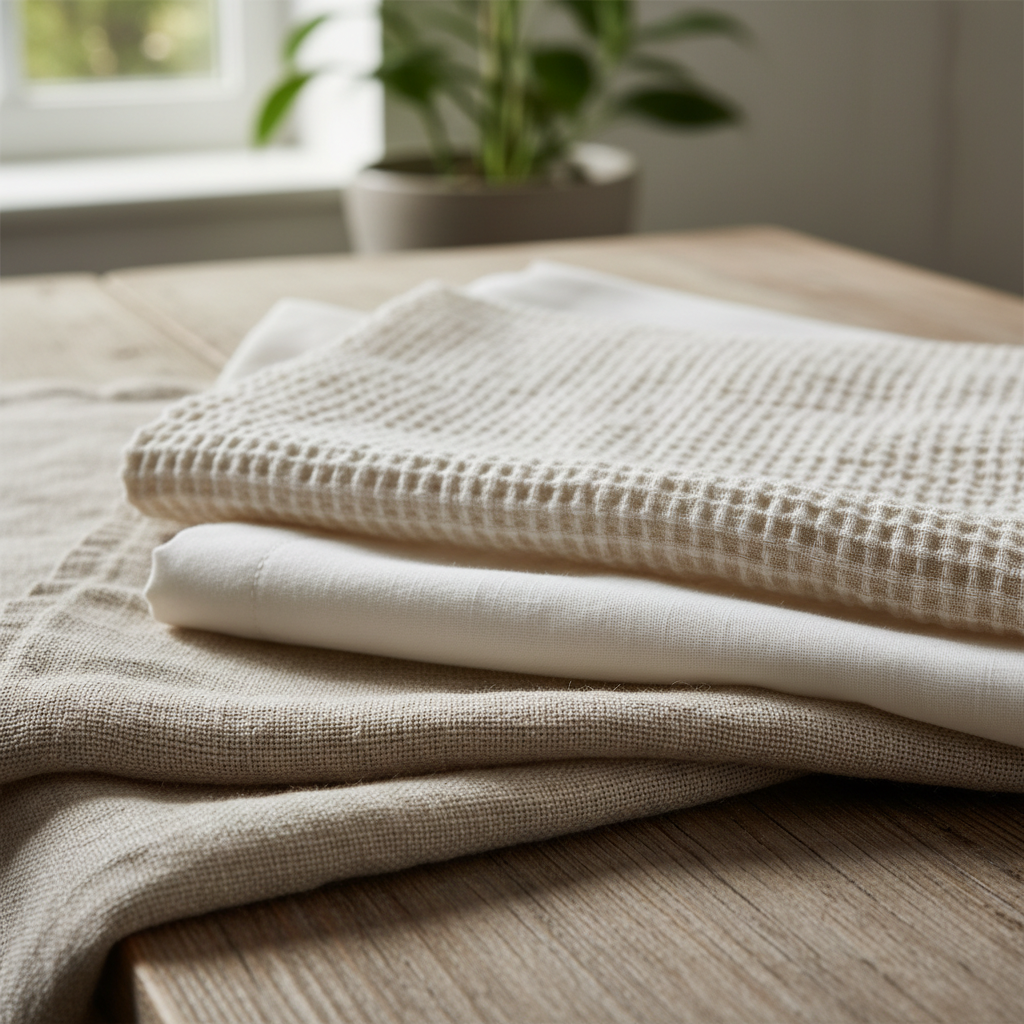
How to shop smarter: a practical 10-minute try-on plan
When you’re in a fitting room or trying a delivery at home, do a quick “real life” check. It sounds picky, but it prevents the classic dress that only works when you stand still.
- Sit test: does the hem ride up, does the bodice dig in?
- Raise-arms test: do straps slip, does the bust shift, do sleeves pinch?
- Light test: stand near a window, check sheerness and undergarment lines.
- Walk test: does the skirt cling, does it twist, do you feel chafe risk?
- Care reality: if it needs dry cleaning and you won’t do it, skip it.
Common mistakes with summer dresses (easy fixes)
A few issues repeat every season, and they’re usually fixable without buying a whole new wardrobe.
- Buying the trend, not the use case: if you don’t attend garden parties, a super voluminous maxi may feel like costume, choose a simpler midi.
- Ignoring underlayers: a breathable slip or bike shorts can make a dress wearable for long days.
- Over-accessorizing: cute dresses already have “visual interest,” too many extras make the outfit feel busy.
- Wrong bra strategy: if you’re forcing a strapless bra for a daily dress, you’ll probably stop wearing it, pick a neckline that works with what you own.
If you have sensitive skin, friction, heat rash, or persistent irritation in hot weather, those concerns can vary a lot by person, and it may help to consult a healthcare professional for personalized guidance.
Conclusion: a light, cute summer dress should earn its closet space
The most satisfying summer dress trends are the ones you can repeat without thinking, breathable fabric, a fit you trust, and styling that takes one minute. Pick one trend that suits your day-to-day, then buy with a “wear it three ways” mindset, you’ll get more outfits with less clutter.
If you want a simple next step, choose one silhouette from this guide, check fabric content, then build a go-to outfit formula around shoes you already love.
FAQ
What are the most wearable summer dress trends for everyday life?
Linen shifts, smocked midis, and simple tiered dresses tend to be easiest because they’re breathable and don’t require complicated undergarments or tailoring.
How do I keep a cute summer dress from looking too casual?
Swap in a structured bag, add a light layer like a linen button-down, and choose cleaner footwear. Small upgrades usually read “intentional” faster than adding more jewelry.
Are slip dresses still in style for summer?
Yes, but they’re often styled more relaxed for daytime. Look for slightly thicker fabric or a subtle texture, and plan one layer option for A/C-heavy spaces.
What fabric is best for hot and humid weather?
Cotton and linen are common go-tos for airflow. Rayon/viscose can feel cool too, though quality varies, checking the weave and thickness helps.
How can I tell if a white summer dress is see-through?
Do a window-light check and bend slightly, many fabrics look opaque indoors but turn sheer in bright sun. A light lining or a slip makes a big difference.
Which dress length is most versatile, mini, midi, or maxi?
Midi is often the easiest “works almost anywhere” length in the U.S., especially for casual offices and events. Minis feel playful, maxis feel dramatic, but both can be less flexible depending on your day.
How do I style a summer dress for work without overheating?
Choose breathable fabric, then add a light layer you can remove, like a cotton cardigan or linen blazer. Closed-toe flats or sleek sandals can keep it polished without adding heat.
If you’re building a small warm-weather wardrobe and want fewer impulse buys, it can help to list your top three summer scenarios first, then shop dresses that match those days instead of chasing every new drop.