
women modest swimwear full coverage shopping usually gets frustrating for one simple reason, most “full coverage” suits don’t agree on what coverage even means, and the fit can change wildly once you’re wet, moving, or in bright sun.
If you want a suit that feels comfortable, stays put, and aligns with your personal modesty preferences, you’ll get better results by choosing coverage by body area + activity + fabric behavior, not by product name alone.
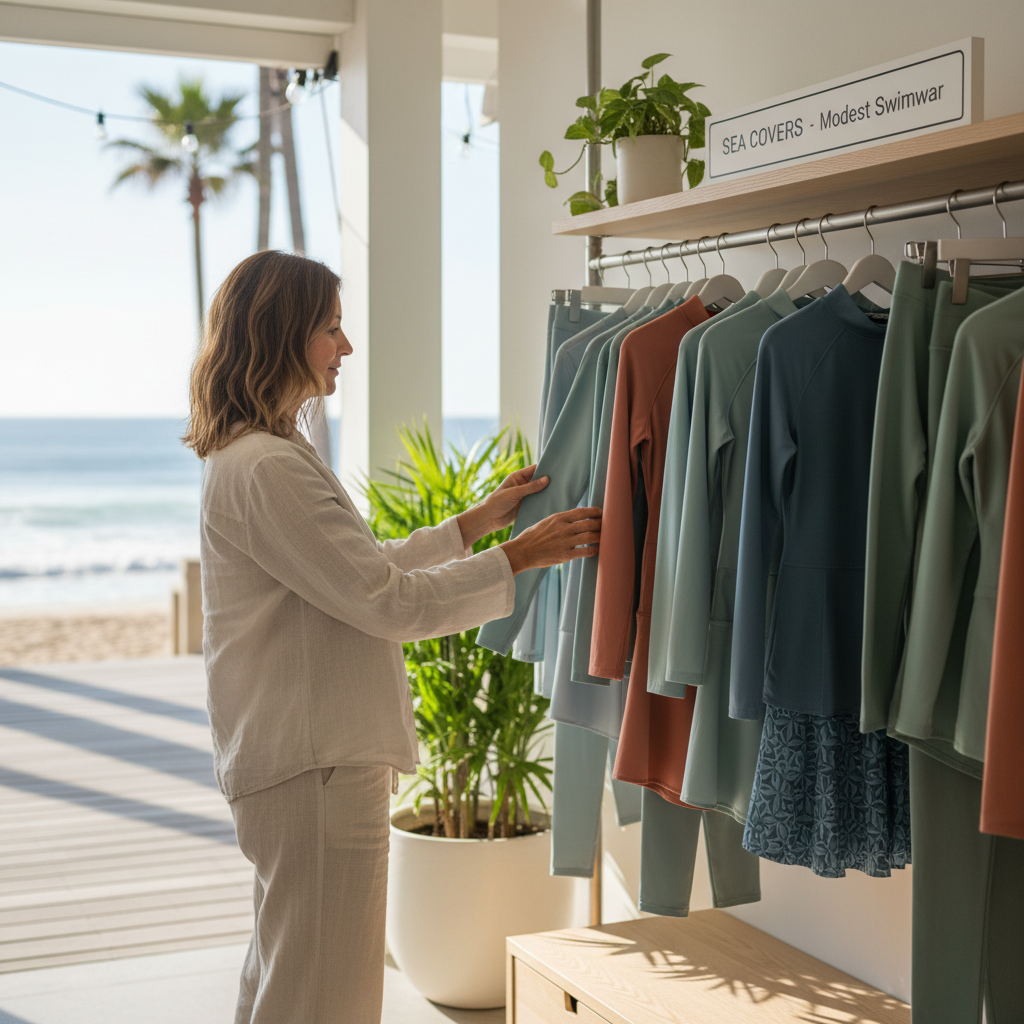
One more thing people underestimate, “modest” is not one style. For some, it means higher necklines and longer hems, for others it means looser silhouettes, and for many it’s about avoiding cling when the fabric is wet. This guide breaks down the real-world differences so you can buy once, wear often.
What “Full Coverage” Usually Means in Real Life
On most US product pages, full coverage is a mix of marketing and pattern design, so it helps to translate the label into specific coverage zones.
- Torso coverage: higher neckline, thicker lining, less transparency when wet, longer top length that won’t ride up.
- Back and underarm coverage: higher back, wider side panels, straps that don’t cut or slip.
- Bottom coverage: fuller seat coverage, higher rise, optional skirt overlay, or swim leggings.
- Leg and arm coverage: swim shorts, capris, leggings, or long-sleeve rash guards.
According to the Skin Cancer Foundation, protective clothing can be a practical part of sun safety, which is one reason many shoppers lean into rash guards or longer sets, even when modesty isn’t the only goal.
Why Full-Coverage Modest Suits Still Fail (Common Causes)
Most disappointing purchases come down to a few predictable issues, and once you know them, you can spot problems before checkout.
- “Dry fit” illusion: fabric looks smooth in the mirror, then clings or turns sheer when wet.
- Ride-up and float-up: tops drift upward in water if the hem is short or there’s no anchoring feature.
- Neckline gaps: higher necklines can still gape if the pattern assumes a different bust shape.
- Bottoms shift with movement: walking, swimming, or beach volleyball exposes more than expected.
- Wrong compression level: too tight feels restrictive, too loose looks bulky and can drag in water.
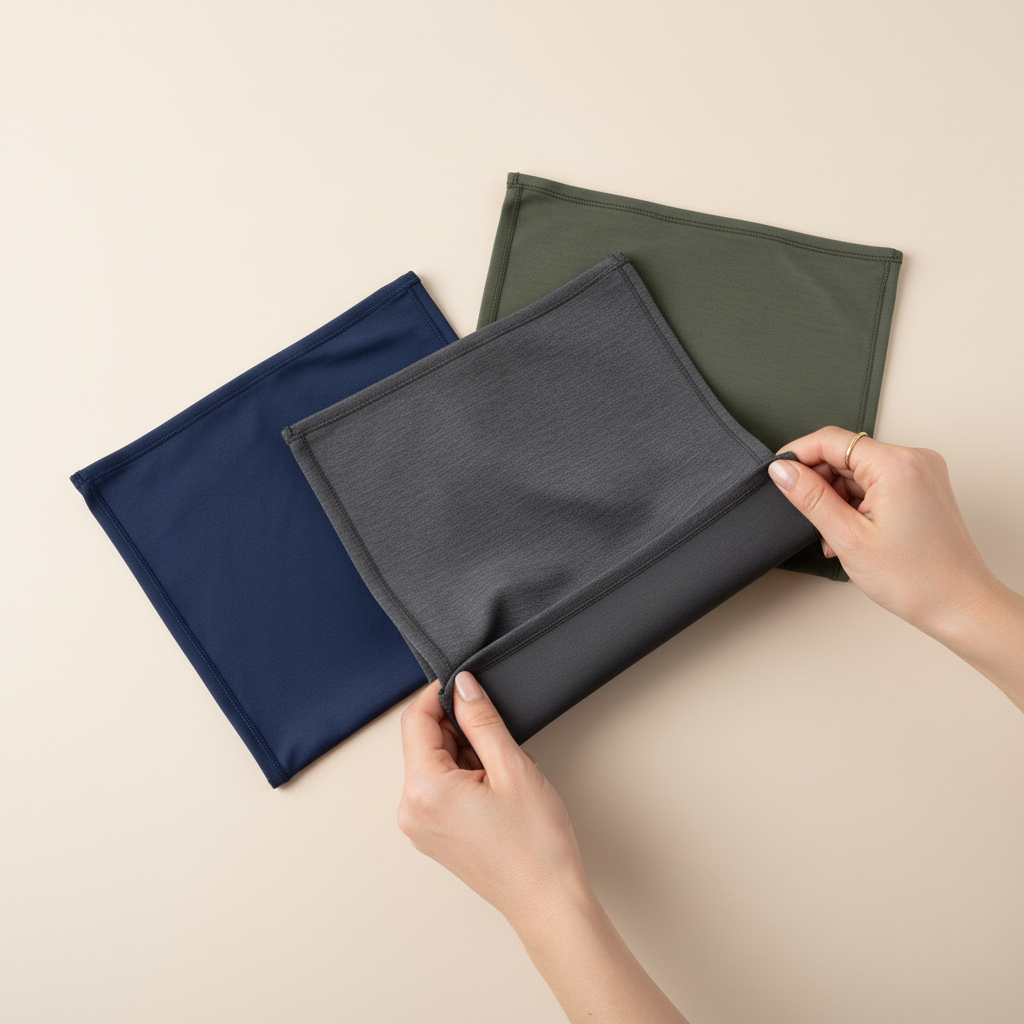
A lot of shoppers also get tripped up by sizing. Swimwear sizing varies by brand, and “modest” brands sometimes cut more conservatively in the torso while keeping arms or hips narrow, so a suit can feel both loose and tight in different places.
Quick Self-Check: What Kind of Coverage Do You Actually Need?
Before you compare styles, answer these in plain terms. This makes women modest swimwear full coverage shopping much less random.
- Primary goal: modesty preference, sun coverage, anti-chafe, or all three?
- Activity level: lounging, swimming laps, playing with kids, water park, snorkeling?
- Areas you want covered: chest/cleavage, midriff, back, upper thighs, full legs, upper arms?
- Fit preference: streamlined (less drag) or relaxed (less cling)?
- Change room reality: do you need easy on/off when damp, for bathroom breaks, or quick changes?
If you’re buying for a specific trip, add one more question, will you be in harsh sun at noon, or mostly mornings/evenings, since that can change how much skin coverage feels worth it.
Best Full Coverage Modest Swimwear Styles (Pros, Cons, Who They Fit)
There’s no universal “best,” but there are combinations that work reliably in certain scenarios.
Rash guard + high-rise bottom (or swim shorts)
- Best for: active beach days, paddleboarding, playing with kids.
- Watch for: tops that are too short, consider a longer hem or adjustable drawcord.
Tunic swim top + leggings
- Best for: maximum leg coverage, sun protection, and reducing thigh chafe.
- Watch for: fabric weight, very heavy leggings can feel draggy in open water.
Swim dress (with built-in shorts or separate bottoms)
- Best for: a softer silhouette and extra seat/thigh coverage.
- Watch for: “float” in water, built-in shorts help keep everything stable.
Long-sleeve one-piece (surf suit style)
- Best for: streamlined full coverage without mixing pieces.
- Watch for: bathroom practicality, a front zip can help but may affect chest coverage if it pulls.
Fabric and Construction: What to Look for Before You Buy
If you only remember one thing, modest coverage often fails because of opacity and stability, not because the cut looked wrong on the model.
- Double lining in the bust and seat, especially for lighter colors.
- Higher fabric weight can reduce sheerness, but too heavy may feel warm or slow to dry.
- Flatlock seams for less rubbing, helpful for long wear or sensitive skin.
- Wide, supportive straps or a secure back design to reduce shifting.
- UPF labeling if sun protection matters; according to the FDA, UV exposure can contribute to skin damage, so clothing coverage can be part of a broader sun-safety approach.
Also, don’t ignore color and print. Darker shades and busier prints often show less outline when wet, while very light solids tend to be less forgiving unless the lining is excellent.
Practical Buying Guide (With a Comparison Table)
Use this as a shortcut when you’re deciding between sets, dresses, and one-pieces.
| Style | Coverage Level | Best For | Main Tradeoff |
|---|---|---|---|
| Rash guard + swim shorts | High (arms/torso), medium (legs) | Active days, water sports | Top can ride up if hem is short |
| Tunic top + leggings | Very high (full legs) | Sun coverage, anti-chafe | Can feel warmer, more fabric to manage |
| Swim dress | High (seat/thigh), medium (arms) | Resort lounging, casual swim | May float, needs secure shorts |
| Long-sleeve one-piece | High (arms/torso), medium (legs) | Streamlined coverage | Bathroom breaks can be annoying |
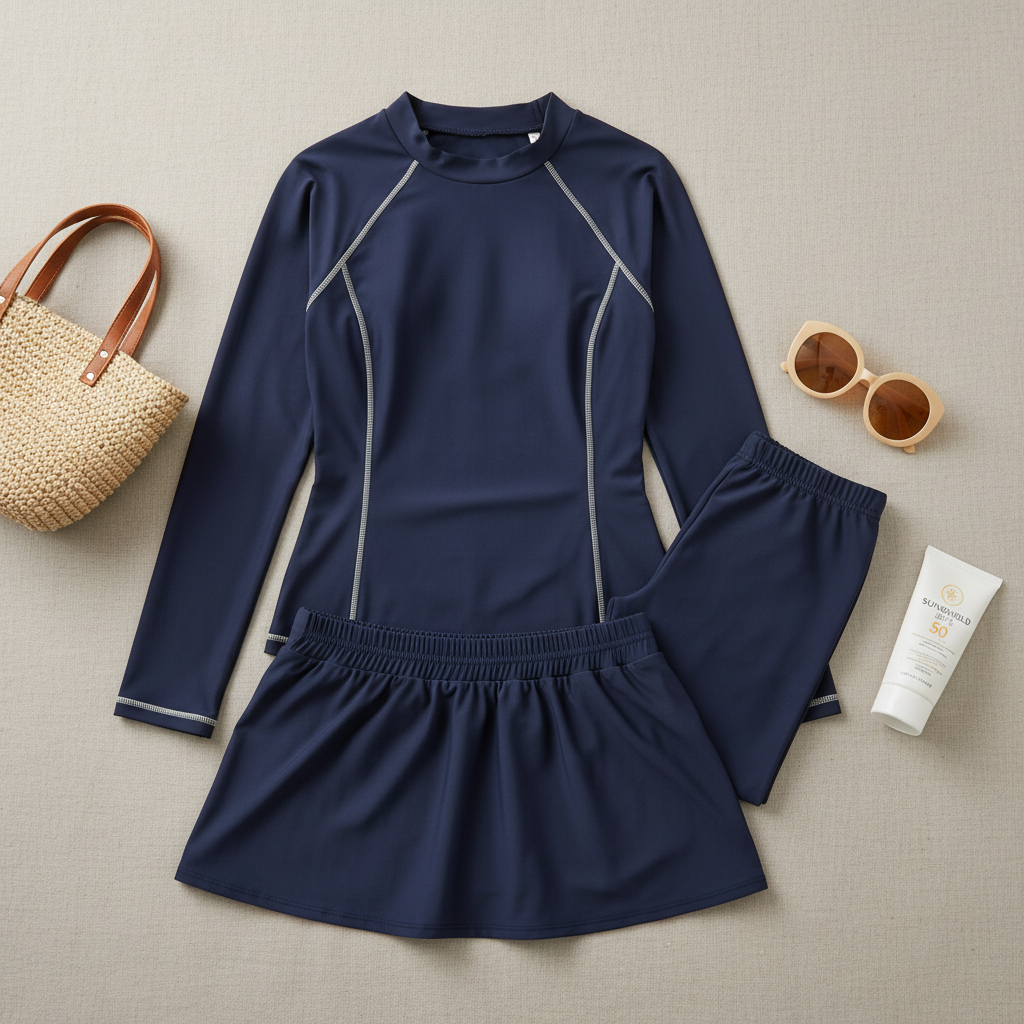
Key point: if you plan to actually swim (not only sit poolside), prioritize stability features like longer tops, secure waistbands, and closures that won’t slip when wet. That’s where women modest swimwear full coverage tends to earn its keep.
Fit Tips That Make Modest Coverage Look Better (Not Bigger)
Full coverage doesn’t have to feel bulky, but the styling choices matter.
- Balance volume: if you choose a looser tunic, pair with more fitted leggings or capris.
- Watch torso length: long torso shoppers often need “tall” options or longer tops to prevent float-up.
- Check arm mobility: raise your arms and rotate shoulders, tight sleeves become annoying fast.
- Consider built-in support: light shelf bras feel convenient, but higher bust support may need better structure or a swim-friendly bra underneath.
If you’re between sizes, it’s usually safer to size for the area that must not shift, often the bust or hips, then use adjustability in straps or waist to dial in comfort.
Common Mistakes (And What to Do Instead)
- Mistake: buying “full coverage” in a pale color without checking lining. Do instead: look for double lining or choose prints/darker shades.
- Mistake: assuming any rash guard equals modesty. Do instead: confirm top length, neckline height, and how it pairs with bottoms when you bend and reach.
- Mistake: choosing leggings that are too loose. Do instead: pick swim-specific leggings with stable stretch, not fashion leggings.
- Mistake: ignoring return policy. Do instead: try at home with movement checks and keep tags until you’re sure.
If chafing, rashes, or skin irritation show up repeatedly, it can be worth asking a clinician for advice, especially if you have sensitivities to certain fabrics or recurring friction issues.
Conclusion: A Simple Way to Choose the Right Set
Women modest swimwear full coverage works best when you define coverage by zones, match the style to your activity, and pay close attention to lining and stability. If you want an easy first pick, a long-sleeve rash guard with a longer hem plus a high-rise bottom or swim shorts tends to cover well without feeling overly complicated.
Pick one suit you can move in confidently, then add a second option later for a different mood, like a swim dress for lounging or leggings for high-sun days.
FAQ
What counts as “full coverage” for modest swimwear?
It usually means more coverage across the bust, back, and seat, plus optional arm and leg coverage through rash guards, longer tops, shorts, or swim leggings. Brands define it differently, so it’s smart to check coverage zones, not just the label.
Is a swim dress considered modest swimwear?
Often yes, especially if it has built-in shorts or is paired with secure bottoms. For actual swimming, look for features that reduce floating and shifting, since extra fabric can move in the water.
How do I avoid see-through issues when a suit gets wet?
Prioritize double lining in lighter colors, choose darker shades or prints, and check reviews for notes about opacity. If the fabric feels thin and stretchy when dry, it may turn more revealing when wet.
Are swim leggings practical for swimming?
They can be, particularly for sun coverage and anti-chafe needs, but they’re best when designed for water with stable stretch and quick-dry fabric. Very heavy materials may feel draggy in open water.
What’s the most secure option for active water sports?
A rash guard or surf-suit style top with a longer hem, paired with high-rise bottoms or shorts with a firm waistband, tends to stay in place. Adjustable features help, especially if you’re between sizes.
Should I size up for modest coverage?
Not automatically. Sizing up can increase gaping and shifting, which defeats the purpose. It’s usually better to fit the bust and hips correctly, then rely on adjustable straps or waist details for comfort.
Does full coverage swimwear help with sun protection?
More fabric coverage can help as part of sun safety, and some suits include UPF labeling. For personalized guidance, especially if you have skin conditions or photosensitivity, it’s reasonable to consult a medical professional.
If you’re trying to build a small rotation for travel or family pool days, aim for one “active” set and one “lounging” set, and keep a simple checklist: lining, hem length, waistband stability, and how it feels when you move.