
Fast fashion alternatives can feel confusing at first because the internet tends to split the world into “cheap and unethical” versus “expensive and perfect.” Real life sits in the middle, and you can make meaningful changes without replacing your whole closet or doubling your clothing budget.
If you shop in the U.S., you also deal with constant promotions, fast shipping expectations, and trend cycles that move faster than your laundry. It’s worth pausing here because what looks like a “good deal” often turns into cost-per-wear regret, impulse returns, and a closet full of pieces you don’t reach for.
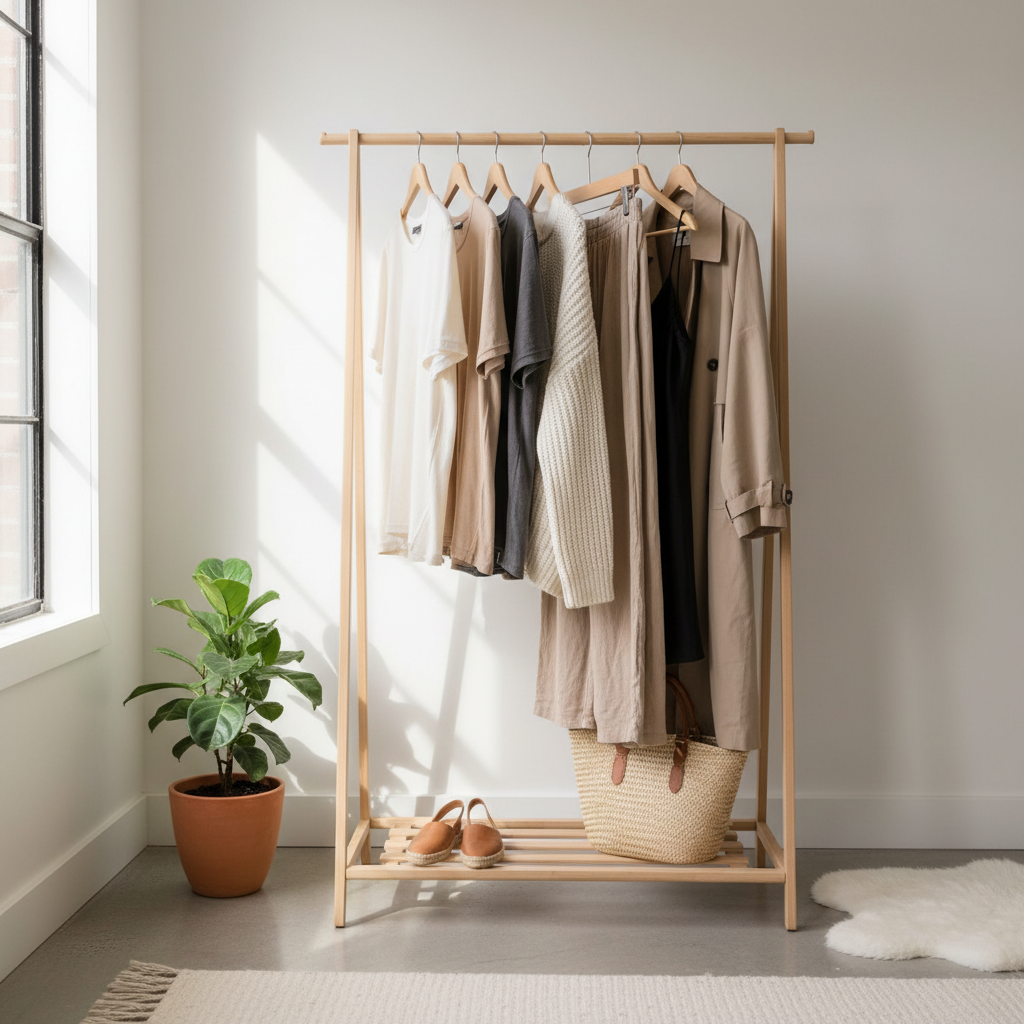
This guide breaks down what actually drives fast fashion, how to tell which alternatives fit your life, and a few practical shopping habits that work even if you love variety. You’ll also get a quick comparison table and a short checklist so you can decide what to do next, not just what to believe.
What people really mean by “fast fashion” (and why it’s hard to quit)
Fast fashion usually means high-volume production, rapid trend turnover, and low prices that depend on speed and scale. The problem isn’t only the clothes themselves, it’s the system that makes “new” feel urgent.
In day-to-day shopping, fast fashion tends to show up as a few familiar pain points: inconsistent sizing, thin fabrics, seams that twist after washing, and “meh” pieces you buy because they’re easy, not because you love them.
According to U.S. EPA, textiles make up a meaningful portion of municipal solid waste, and a lot of that comes from items that aren’t worn long or aren’t reused. You don’t need perfect numbers to feel the pattern: when clothing is treated as disposable, waste climbs.
Fast fashion alternatives: a quick comparison table
Not every “sustainable” option works for every schedule or budget. This table is meant to help you pick a lane you can stick with.
| Alternative | Best for | Typical trade-off | What to look for |
|---|---|---|---|
| Secondhand (thrift/resale) | Budget-friendly upgrades, unique style | Takes time to search, sizing varies | Fabric content, measurements, return policy |
| Clothing swaps | Refreshing wardrobe without spending | Availability depends on community | Clear swap rules, try-on space |
| Repair & tailoring | Making favorites last, better fit | Requires planning, small added cost | Strong seams, spare buttons, simple fixes |
| Rental | Events, trend experimentation | Subscription fees, limited everyday basics | Cleaning standards, damage terms |
| Smaller “slow fashion” brands | Long-term staples | Higher upfront price | Transparent materials, durability cues, care guides |
How to tell which option fits your life (a quick self-check)
Before changing where you shop, get honest about why you buy. Most people aren’t “bad at discipline,” they’re trying to solve a problem fast.
- If your issue is boredom with your wardrobe: try resale, swaps, or rental for variety without constant new production.
- If your issue is fit: tailoring and buying fewer, better-fitting pieces can beat endless returns.
- If your issue is budget: secondhand plus targeted repairs often gives the best value-per-wear.
- If your issue is time: a small set of reliable basics, plus a rule for replacing only when needed, keeps it simple.
One more reality check, if you truly wear and wash an item often, durability matters more than trendiness. That’s where many fast fashion alternatives quietly win: fewer “almost right” purchases.
The most practical fast fashion alternatives (with real-world steps)
Here are options that tend to work in the U.S. market without requiring a total lifestyle reset. Pick one or two to start, stacking too many changes at once usually backfires.
1) Buy secondhand on purpose (not as a treasure hunt)
Secondhand shopping gets easier when you treat it like sourcing, not browsing. Decide what you need, then search by fabric and measurements.
- Start with categories that hold up well: denim, wool sweaters, jackets, leather goods.
- Use a simple filter rule: only natural fibers or sturdy blends for items you’ll wear weekly.
- Check high-friction spots in photos: underarms, hems, inner thighs, cuffs.
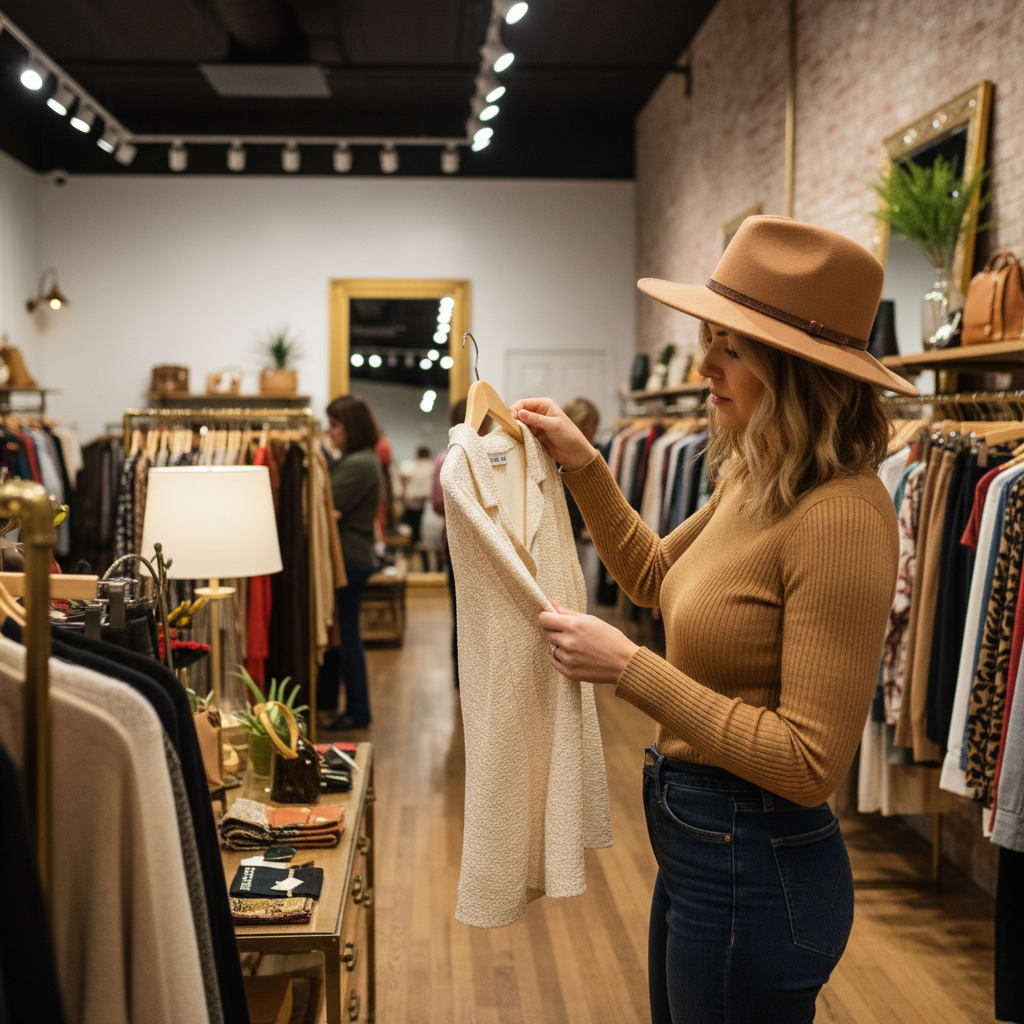
If you shop resale online, prioritize listings with flat-lay measurements, clear fabric tags, and a reasonable return policy. “No returns” can be fine for low-risk basics, but it’s rough for fitted pieces.
2) Repair what you already own (the underrated shortcut)
Repairing clothing sounds wholesome, but it’s also brutally practical. A $10 fix on a favorite pair of pants beats buying three replacements you never love.
- Learn two quick wins: sewing on buttons and closing small seam splits.
- Use a tailor for fit upgrades: hemming, waist adjustment, sleeve shortening.
- Keep a “repair bag” at home, when it’s full, book one tailoring trip.
According to Fashion Revolution, transparency and garment longevity are recurring themes in improving fashion’s impact. Repair supports that directly: you extend wear time, and you buy less by default.
3) Build a small rotation of reliable basics
This is where people often overcomplicate things. You don’t need a perfect capsule wardrobe, you need a rotation that matches your actual week.
- Pick 2–3 “workhorse” colors you like wearing, then stop buying random outliers.
- Repeat silhouettes that fit you well, you’re not “boring,” you’re consistent.
- When replacing, aim for sturdier fabric weight and cleaner construction.
If you still want trends, keep them to low-commitment items: accessories, a single statement top, or rental for special occasions.
4) Try rental for events and trend testing
Rental works best when you need variety in short bursts, weddings, holiday parties, travel, photos. For daily basics, it can get expensive or inconvenient.
- Check the damage policy before your first order, that’s where surprises happen.
- Order early enough to handle fit issues without panic.
- Be realistic about cleaning sensitivities, if you have allergies, consider asking a medical professional for guidance.
Shopping filters that reduce “greenwashing” without turning you into a detective
A lot of shoppers get stuck here because they think they must verify everything. You can’t, and you don’t need to. Use a few filters that remove the worst offenders.
- Look for specifics, not vibes: “organic cotton” is more meaningful with a standard named, while “eco collection” can be vague.
- Check material and weight: ultra-thin fabric often signals short lifespan, regardless of marketing.
- Prioritize care instructions: pieces that survive normal washing tend to get worn longer.
- Watch for constant drops: if a brand releases new styles nonstop, it may still run a fast-cycle model.
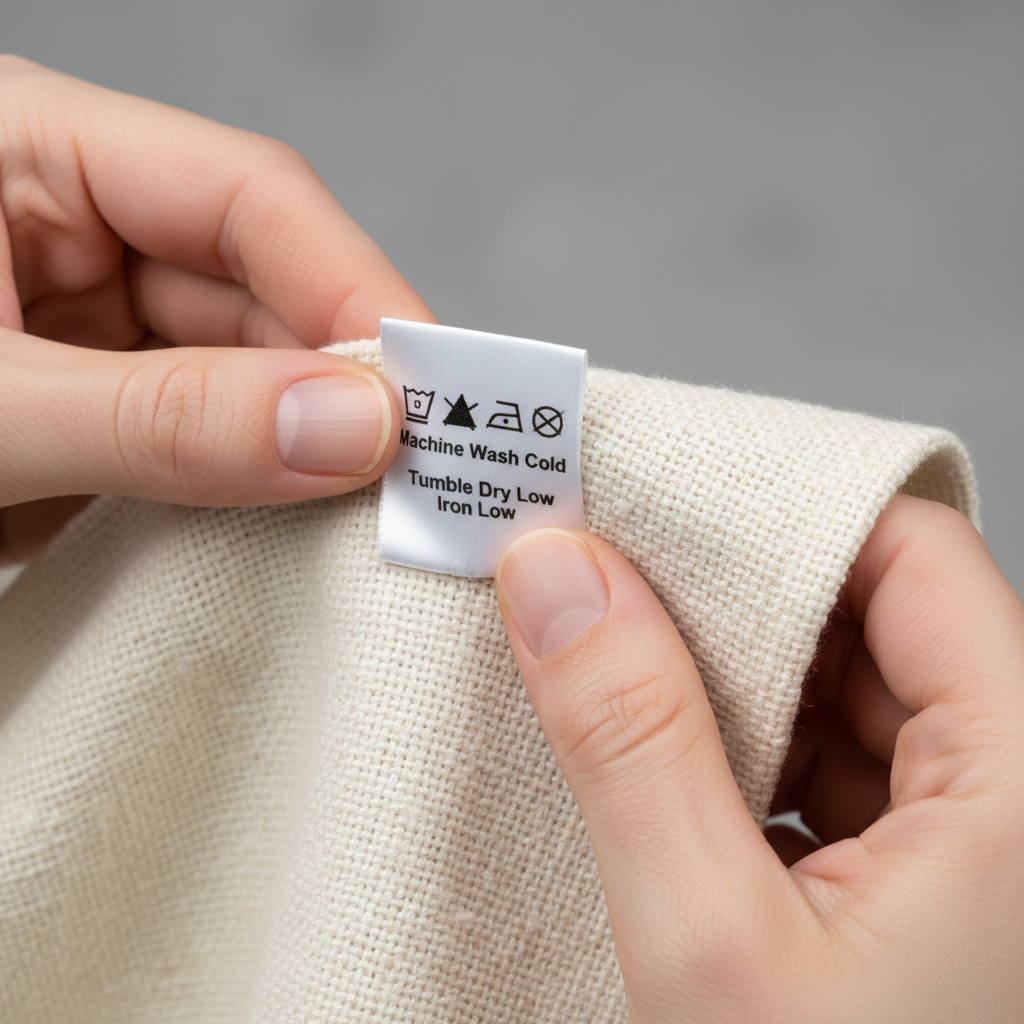
According to FTC, environmental marketing claims should be truthful and not misleading, and brands should have evidence for what they say. As a shopper, your move is simple: prefer clear, verifiable language and skip fuzzy claims when price and quality don’t match.
A simple 30-day plan to switch without spending more
Most people quit because they try to do everything at once. This plan keeps the change small but steady.
- Week 1: choose one category to “pause” buying, like tops or jeans, and track what you almost purchase.
- Week 2: do a quick closet audit, pull 10 most-worn items, write down why they work.
- Week 3: repair or tailor 1–2 pieces you already like, then wear them immediately.
- Week 4: shop secondhand or a more durable brand for one planned replacement, not a haul.
Key takeaway: fast fashion alternatives work best when you replace slowly, based on gaps you actually feel, not what an ad tells you to want.
Common mistakes that make “sustainable shopping” feel impossible
These show up constantly, and they’re fixable.
- Trying to be perfect: progress comes from fewer impulse buys, not a new identity overnight.
- Buying “ethical” but fragile: if it pills, stretches, or shrinks fast, you’re back to replacing.
- Ignoring fit: poor fit is the fastest route to closet neglect, tailoring can be more sustainable than “better fabric.”
- Over-ordering online: “try and return” habits can create extra shipping and restocking impact, plan sizes more carefully when possible.
When it makes sense to get expert help
If your main challenge is fit, a tailor or alterations specialist can save you money over time, especially for denim, blazers, formalwear, and work clothes.
If you deal with skin sensitivities, allergies, or discomfort from certain fabrics or detergents, it’s reasonable to ask a medical professional for guidance. Comfort issues can drive repeat buying, so solving that root cause helps your wardrobe and your well-being.
Conclusion: sustainable doesn’t have to mean complicated
Fast fashion alternatives are less about finding a perfect brand and more about changing the loop: buy with intention, keep items in rotation longer, and use secondhand or repair as your default tools.
If you want an easy next step, pick one category you buy too often, pause it for 30 days, then replace only one item through resale or a more durable option. Small, repeatable choices beat big promises.
FAQ
What are the best fast fashion alternatives if I’m on a tight budget?
Secondhand is usually the most budget-friendly starting point, especially for denim, outerwear, and knitwear. Pair it with basic repairs so you’re not re-buying the same items every season.
Is thrifting always more sustainable than buying new?
Often, yes, because it extends an item’s life. But if you buy lots of things you won’t wear, it turns into clutter with a different label, intention still matters.
How do I avoid greenwashing when I’m shopping online?
Look for specific material information, clear care instructions, and transparent policies, then be cautious with vague “eco” collections. According to FTC guidance, meaningful claims should be supported, so clarity is a good sign.
Does clothing rental actually reduce environmental impact?
It can, especially for occasional outfits you’d otherwise wear once. The impact varies by logistics and cleaning processes, so it’s best seen as a tool for events and trend testing, not a full wardrobe replacement.
What fabrics should I prioritize for longer wear?
Many shoppers have good luck with heavier-weight cotton, wool, linen, and well-made blends, depending on the garment. The weave and construction matter as much as the fiber, so check stitching, seams, and thickness.
How many clothes should be in a “capsule wardrobe”?
There’s no magic number. A useful capsule is simply a small rotation that matches your week, your laundry habits, and your comfort needs, and it changes by climate and job.
What’s the fastest way to stop impulse buying from fast fashion brands?
Add friction: a 24-hour wait rule, a strict list of what you’re allowed to replace, and a saved note with your measurements for secondhand shopping. Most impulse buys fade when you slow the checkout moment.
If you’re trying to move away from fast fashion but still want a wardrobe that feels current, consider starting with one “swap” habit, like secondhand for jackets or tailoring for pants, and build from there rather than forcing a full reset.