
women cable knit sweater cozy is the vibe many of us want, but the shopping experience can feel weirdly stressful: one sweater looks perfect online, then arrives itchy, boxy, or too warm to wear indoors.
If you want a cable knit you actually reach for, you need a quick way to judge fabric feel, weight, fit, and how it plays with your real life, commuting, office AC, errands, and laundry habits.
This guide breaks down what makes a cable knit feel “cozy” (not scratchy), how to choose the right silhouette, and how to care for it so it stays soft and holds shape through the season.

What “Cozy” Really Means in a Cable Knit
Cozy is mostly about skin feel + temperature control, not just thickness. A sweater can look chunky and still feel harsh if the fiber or finish irritates your skin.
- Softness on contact: especially at neck, cuffs, and underarms where friction shows up fast.
- Warmth without overheating: a knit that traps heat but still breathes.
- Weight that drapes: too light can feel flimsy, too heavy can feel stiff and “helmet-like” on shoulders.
- Comfort in motion: cables add texture and can reduce stretch, so construction matters.
According to the Federal Trade Commission (FTC), fiber content on the label should reflect what the product contains, which matters because “cozy” often comes down to fiber blend and percentage rather than marketing terms.
Fabric & Yarn: Choosing Comfort Without Guesswork
If you’re trying to land that women cable knit sweater cozy feeling, start with the fiber label and then think about your sensitivity level. Many people don’t hate wool, they hate coarse wool or rough seams.
Common fibers and how they tend to wear
- Merino wool: often softer than many traditional wools, usually warm and breathable, but can require gentler washing.
- Cotton: comfortable and breathable, great for mild winters or indoor wear, but can feel heavier and may stretch if not constructed well.
- Acrylic/poly blends: budget-friendly and often soft at first touch, but may pill and can trap heat in some cases.
- Cashmere blends: can feel plush and warm without weight, but pilling is common if the yarn is short-staple or loosely spun.
- Alpaca blends: can be very warm and soft, sometimes “hairier” looking, and can feel warmer than expected.
If you have sensitive skin, look for smoother yarns and consider higher necklines carefully. A crewneck in a slightly rough fiber can bother you more than a V-neck with a base layer.
Fit & Silhouette: Where Most Cable Knits Go Wrong
Cable patterns add visual volume, so the same size can look “bigger” than a flat knit. That’s not bad, but it changes how you should pick the cut.
- Relaxed fit: easiest cozy option, layers well over tees, but watch shoulder seams so it doesn’t droop.
- Classic fit: clean and versatile for work, just make sure the armhole isn’t tight since cables reduce give.
- Oversized: cute with leggings, but if the sweater is chunky, oversized can feel heavy and restrict movement.
Quick reality check: if the product photos show the model constantly pushing sleeves up, you might be looking at a sweater that rides or feels bulky at the wrists.
A Quick Self-Check: Which Cable Knit Should You Buy?
Use this checklist before you add anything to cart. It keeps you from buying a sweater for a fantasy winter that you don’t actually live.
- Your climate: cold and dry, cold and damp, or mostly mild with a few chilly weeks.
- Your heat tolerance: do you run hot indoors, or do you freeze at your desk.
- Sensory tolerance: neck itch, wrist itch, seam sensitivity, or fine with most fabrics.
- Laundry reality: will you hand-wash sometimes, or do you need easy-care.
- Styling goal: office-ready, weekend casual, or “throw-on” for errands.
If you’re unsure, prioritize softness and easy care over extra-chunky texture. In many closets, the “prettiest” cable knit becomes the least worn if it’s fussy.
Comparison Table: Match Sweater Type to Your Use Case
Here’s a practical way to sort options without overthinking. These are tendencies, individual products can vary by construction and finish.
| Type | Best for | What to watch |
|---|---|---|
| Midweight merino cable | Everyday wear, commuting, layering | Care instructions, potential shrink if mishandled |
| Cotton cable knit | Office AC, mild winters, sensitive skin | Stretching at elbows, heavier feel when oversized |
| Chunky wool-blend cable | Outdoor cold, cozy statement looks | Bulk under coats, itch if coarse, limited stretch |
| Cashmere-blend cable | Soft “luxury cozy,” dressier casual | Pilling, delicate care, snags |
| Synthetic cozy cable | Budget-friendly, easy styling, travel | Static, pilling, less breathability in some cases |
How to Style a Cable Knit So It Looks Intentional (Not Bulky)
The easiest styling win: pair volume with structure. Cable knits already bring texture, so your other pieces can stay simple.
Easy outfit formulas
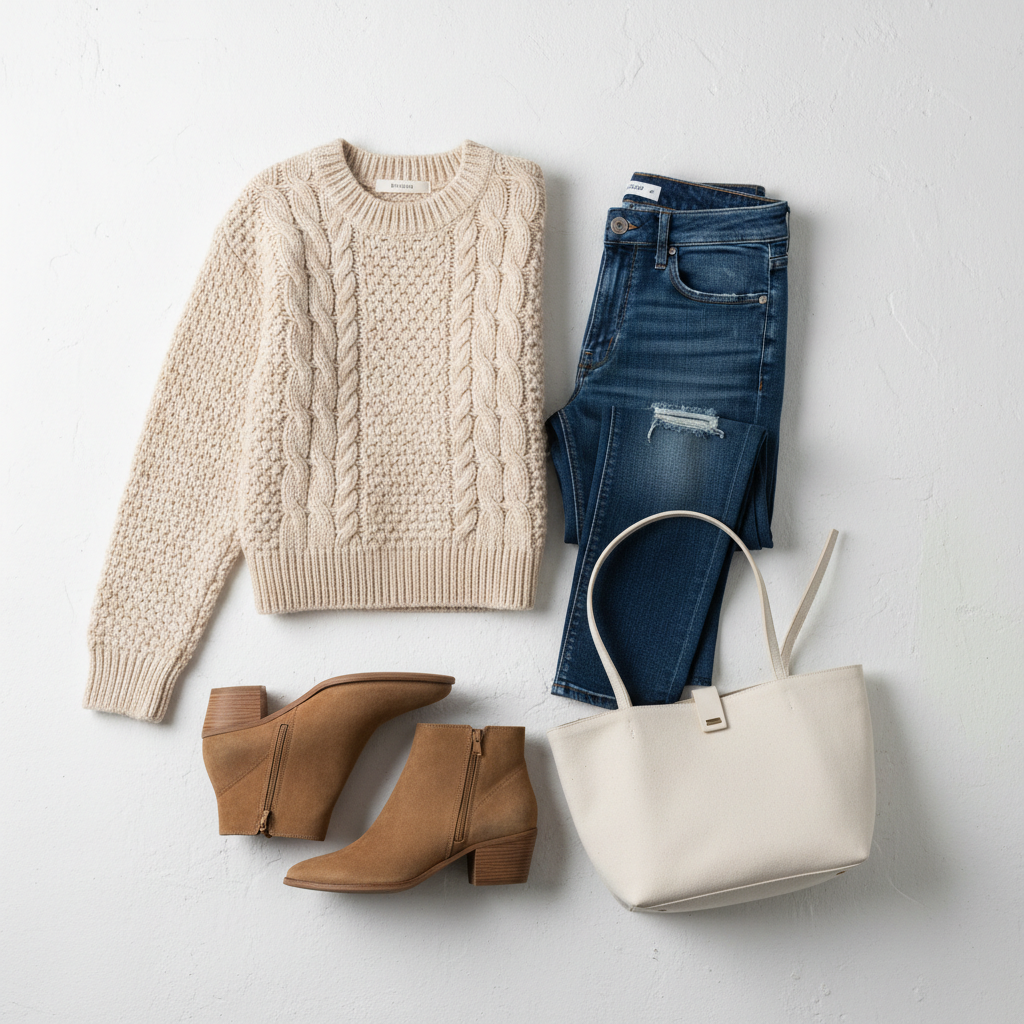
- Relaxed cable + straight jeans + leather belt: keeps the waistline visible without feeling tight.
- Classic-fit cable + wide-leg trousers: works well for business casual, especially in solid neutrals.
- Oversized cable + leggings + long coat: cozy, but pick a coat with clean lines to avoid “all puff.”
- Cropped cable + high-rise denim: a smart trick if you want warmth without extra torso bulk.
If you want that women cable knit sweater cozy look in photos, pay attention to color and contrast. Cream on cream can look expensive, but it also shows pilling and stains faster, so decide based on your lifestyle, not just the aesthetic.
Care Tips That Keep a Cable Knit Soft and Shaped
Most “my sweater got weird” problems come from heat, agitation, and hanging weight. Cable texture makes distortion more obvious, so care matters.
- Skip the hanger: store folded to reduce shoulder bumps and stretching.
- Wash less, air more: spot-clean and air out between wears when possible.
- Follow label instructions: fiber blends behave differently, even within the same category.
- Dry flat: reshape gently while damp, especially around cuffs and hem.
- Handle pilling calmly: a fabric shaver can help, but go lightly to avoid thinning yarn.
According to the American Cleaning Institute, checking care labels and using appropriate cycles and water temperature helps reduce damage like shrinkage and fiber stress, which is exactly what makes cables lose definition.
Common Mistakes (That Make “Cozy” Feel Like a Bad Purchase)
- Buying too chunky for your outerwear: if it only fits under one coat, it won’t get worn much.
- Ignoring neckline comfort: a turtleneck cable can be cute, but if it irritates your neck, you’ll avoid it.
- Assuming softness equals durability: softer yarns can pill, it’s not always “low quality,” just a trade-off.
- Over-sizing without checking shoulders: too-wide shoulders change how sleeves hang and can feel heavy.
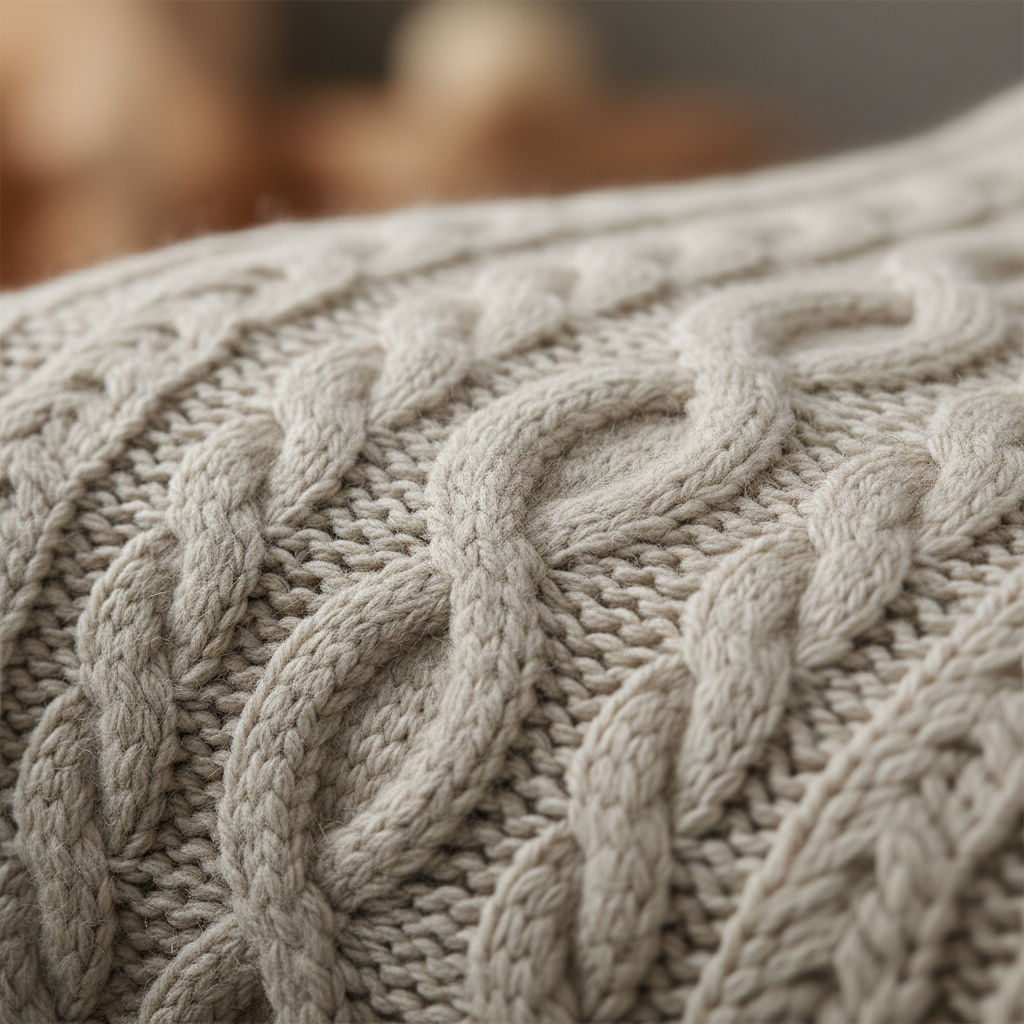
If you’re shopping online, prioritize clear close-up photos of the knit, fiber content transparency, and a return policy you’ll actually use if the texture disappoints.
When It’s Worth Getting Extra Help (Or Asking Better Questions)
If you have eczema, allergy concerns, or very reactive skin, a “cozy” sweater can still trigger irritation depending on fiber and finishing. In that situation, it may help to choose smoother fibers, wear a barrier layer, or consult a medical professional for personalized guidance.
For gifting, don’t guess at sensitivity. Ask what fabrics they avoid, or choose a cotton cable with a forgiving fit and easy care so it feels safe and wearable.
Conclusion: A Cozy Cable Knit Should Fit Your Life, Not Just Your Feed
The right cable knit is the one that feels good at the neck and wrists, fits under your real-world coat, and survives your laundry routine without drama. If you pick fiber and fit with intention, the women cable knit sweater cozy goal becomes pretty simple.
Action steps: check fiber content first, choose a silhouette that matches your layering habits, then commit to folding storage and flat drying so the cables stay crisp.
FAQ
What fabric is best for a women cable knit sweater cozy feel?
Many people prefer merino, cashmere blends, or soft cotton depending on climate and sensitivity. “Best” depends on whether you prioritize warmth, breathability, or easy care.
How do I keep a cable knit sweater from itching?
Start with smoother fibers, avoid scratchy necklines, and consider a thin base layer. If irritation persists, switching fiber types usually helps more than fabric softener.
Do cable knit sweaters stretch out over time?
They can, especially cotton or heavier knits, and especially at elbows and hems. Folding storage and flat drying reduce stretching compared to hanging.
Is pilling a sign my cable knit is low quality?
Not always. Softer yarns and friction-heavy areas pill more. A gentle de-piller can keep it looking neat, but frequent heavy pilling can be a sign the yarn is loosely spun.
What fit is most flattering for cable knit sweaters?
Classic or relaxed fits tend to look balanced on most people because cables already add texture. If you go oversized, keep the rest of the outfit streamlined.
Can I machine wash a cable knit sweater?
Sometimes, but only if the care label allows it. When in doubt, cold water, gentle cycle, and a mesh bag reduce agitation, then dry flat.
How should I layer a cable knit without feeling bulky?
Use thin layers underneath and choose outerwear with enough ease in the shoulders. A midweight knit often layers more comfortably than a super chunky cable.
If you’re trying to find a cable knit that looks polished but still feels like a comfort piece, it often helps to shortlist two options, one midweight for everyday wear and one chunkier for true cold, then compare fiber content and care needs before you decide.