
Best slippers for women fuzzy shoppers usually want one thing: that cozy, cloud-soft feel without ending up with sweaty feet, flattened fur, or a slippery sole that makes you nervous on hardwood.
In 2026, fuzzy slippers look cuter than ever, but the real difference is still the boring stuff, lining materials, outsole grip, and whether the “fluffy” part is just a thin top layer. If you buy based on photos alone, you often pay twice.
This guide breaks down what actually matters, a quick self-check to narrow choices, and a few reliable “types” of slippers that fit real life, work-from-home days, quick dog walks, or cold floors with no heat underfoot.
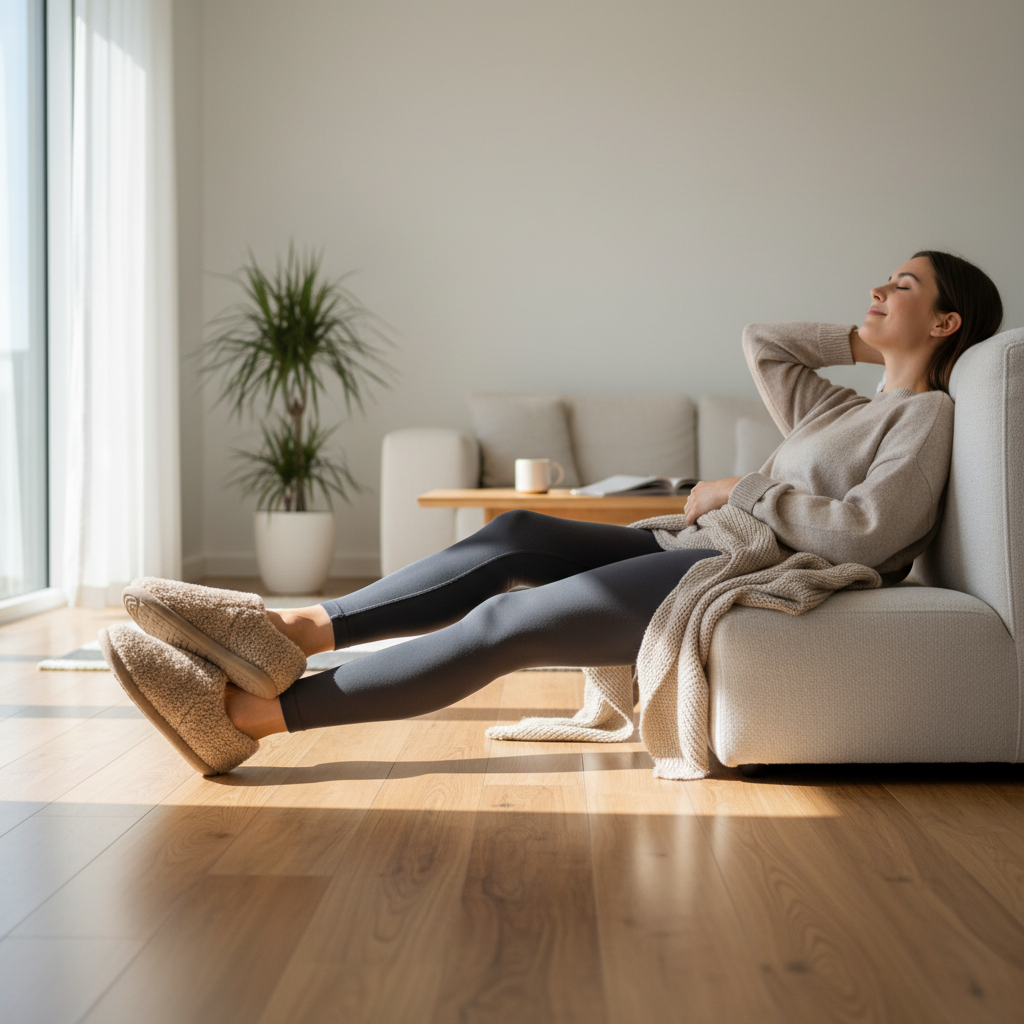
What makes fuzzy slippers “good” in 2026 (not just fluffy)
Most disappointments come from a mismatch between materials and how you wear them. A bedroom-only pair can be ultra-soft and still fail the moment you step outside for mail.
- Upper feel vs. durability: Long-pile faux fur looks plush, but it can mat faster. Sherpa and short-pile fleece often hold up better.
- Lining and breathability: If the lining is fully synthetic and dense, heat builds up. Wool blends or shearling-style linings often manage temperature better, though it varies by foot and climate.
- Footbed structure: A cushy insole feels great day one, but you want rebound foam or a slightly firmer base so it does not pancake after a month.
- Outsole grip: Look for rubber or a textured TPR outsole. Thin “sock soles” tend to slide on tile and wear through quickly.
- Washability: Many fuzzy styles are spot-clean only. If you have pets, kids, or allergies, washable construction becomes a bigger deal than color.
According to the American Podiatric Medical Association (APMA), supportive footwear can play a role in overall foot comfort; for slippers, that usually translates to a stable base and enough structure for your arches if you spend hours in them.
Quick self-check: which fuzzy slipper type fits your life?
If you pick the “right category” first, you avoid 80% of returns. Answer these fast, no overthinking.
- Mostly indoor, mostly carpet? Prioritize softness and warmth, outsole can be lighter.
- Hard floors (wood/tile) and you walk a lot at home? Prioritize grip and a thicker footbed.
- Quick outdoor steps (mail, trash, dog)? You need a real rubber outsole and a closed toe.
- Feet run hot or sweat easily? Choose breathable linings and avoid fully sealed faux-fur interiors.
- High arches/plantar heel pain history? Consider slipper “shoes” with contoured footbeds, and if symptoms persist, consider asking a podiatrist.
One honest note: if you want maximum fluff and maximum support, you usually trade one for the other. Many people end up with two pairs, a cloud-soft pair for couch time, and a structured pair for busy mornings.
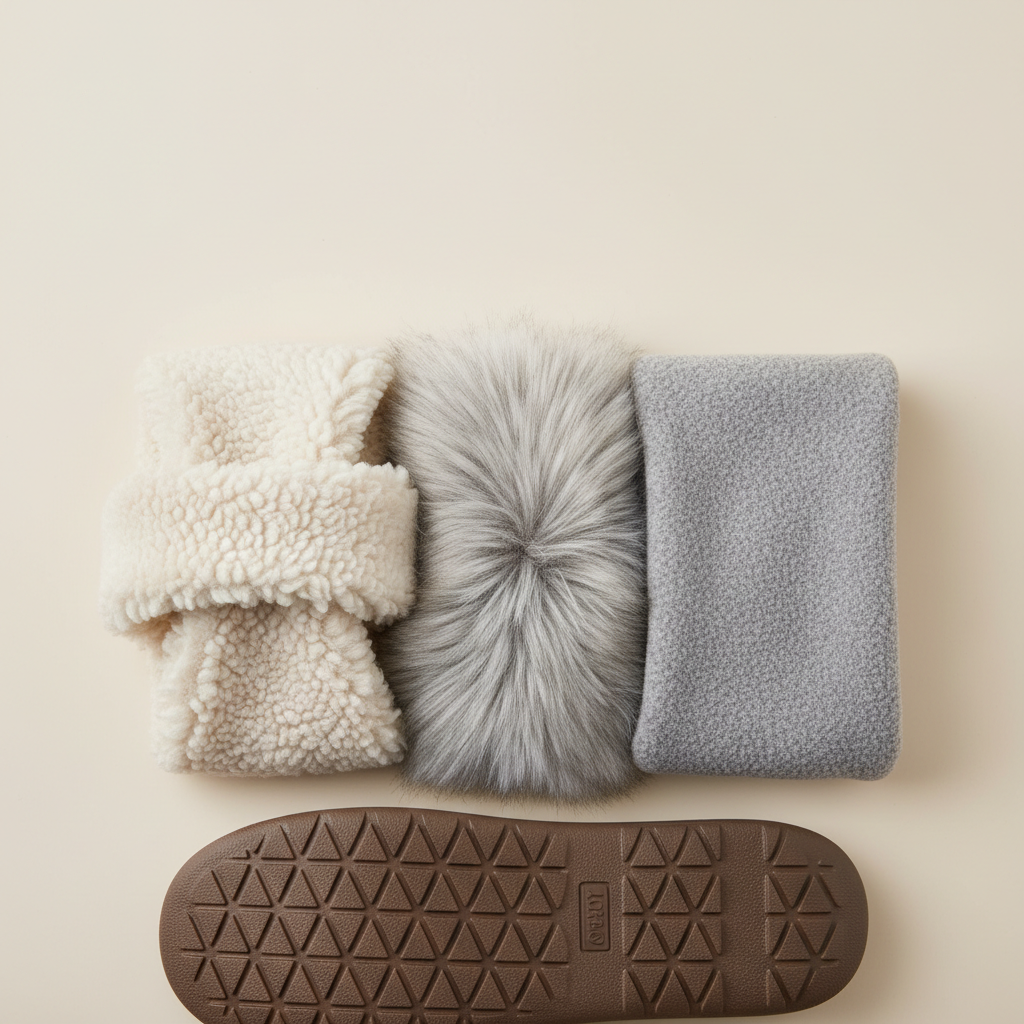
Buying checklist: the details that change comfort
When people ask for the best slippers for women fuzzy, they often mean “cozy” but they actually need “cozy + stable + not gross after two weeks.” Use this checklist while shopping.
Fit and shape
- Toe room: Your toes should relax, not curl. A too-short fuzzy toe box can feel fine in-store and annoying at home.
- Heel security: Scuff styles slip off easily if the vamp is low. If you shuffle-walk, choose a higher vamp or a backstrap.
- Width options: If you are between widths, fuzzy linings can feel tight at first. Look for wide sizes or adjustable straps.
Footbed and support
- Removable insoles: Helpful if you use orthotics or want to air them out.
- Arch contour: Not everyone likes it. If you feel pressure under the arch within minutes, pick flatter cushioning.
- Heel cup: A slightly cupped heel can feel more stable on hard floors.
Warmth vs. sweat control
- Natural fibers: Wool and shearling-style linings often handle temperature swings well, though sensitivity varies.
- Vent-friendly designs: Moccasin seams, looser weaves, or partial lining can reduce overheating.
Top picks by lifestyle (what to look for, not brand hype)
Rather than pretending one model wins for everyone, here are the fuzzy slipper “winners” by use case, with the features that matter. If you match these specs, you can shop any brand with more confidence.
| Use case | Best fuzzy style | What to prioritize | Watch-outs |
|---|---|---|---|
| Cozy couch + bedroom | Plush scuff | Thick footbed, soft upper, quiet outsole | Can slip on stairs, little heel hold |
| Hardwood/tile all day | Closed-toe mule or clog | Rubber outsole, supportive midsole, heel cup | Too-warm linings in hot homes |
| Quick outdoor steps | Moccasin slipper | Water-resistant upper, real tread, snug heel | Suede needs care, fur can trap dirt |
| WFH meetings + chores | Slipper-bootie | Ankle warmth, stable sole, easy on/off | Overheating, harder to clean |
| Wide feet or swelling | Adjustable strap slide | Velcro/buckle, wide footbed, removable insole | Straps can rub if poorly padded |
- Key takeaway: For most people, the “best slippers for women fuzzy” end up being a closed-toe pair with a rubber outsole, then you choose the fluff level you can realistically maintain.
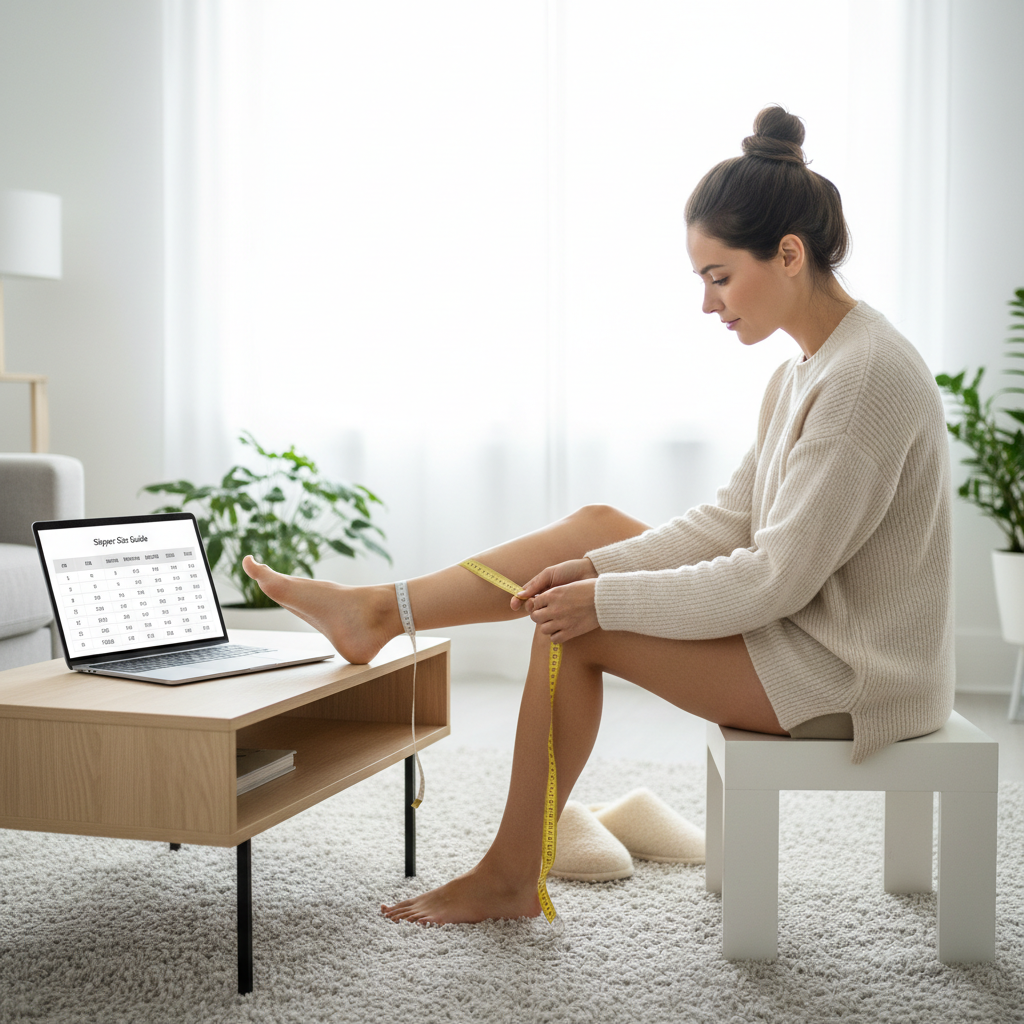
How to choose the right size (the part online shoppers regret)
Fuzzy linings change fit. The same size can feel tighter than your sneakers, then stretch a bit after wear, or not stretch at all, depending on materials.
- If you are between sizes: In many cases, sizing up works better for fully lined slippers, especially if you wear socks.
- Check return policies: Try them on clean floors for a few minutes, pay attention to toe pressure and heel slip.
- Don’t ignore instep height: High insteps often hate shallow scuffs. Choose moccasins, booties, or adjustable straps.
If you deal with numbness, nerve pain, or persistent heel pain, fit becomes more than comfort. In that situation, it may be worth asking a clinician what features to prioritize.
Care and cleaning: keep them fluffy, keep them fresh
Fuzz looks great until it traps dust, oils, and pet hair. If you want your pair to stay “new,” maintenance matters more than people expect.
- Air them out: Rotate pairs or let them breathe overnight, especially if your feet run warm.
- Brush the pile: A soft brush can lift matted faux fur and sherpa, do it gently to avoid pulling fibers.
- Spot clean fast: A damp cloth and mild detergent usually beats soaking. Always follow brand instructions.
- Machine wash only when allowed: Cold water and a laundry bag often reduce damage, then air dry. Heat can warp foam and shrink linings.
According to the Centers for Disease Control and Prevention (CDC), cleaning routines help reduce germs on frequently used items. Slippers are not medical equipment, but if you share a home, regular cleaning is a practical habit.
Common mistakes that waste money (and how to avoid them)
- Buying “outdoor” slippers with a paper-thin sole: If the outsole bends like cardboard, it will feel every crumb on the floor.
- Choosing max fluff for sweaty feet: Dense faux fur linings can feel like a sauna. Look for breathable linings or lighter pile.
- Ignoring grip: Cute bottoms with tiny dots might not be enough on slick tile. If you worry about falls, choose treaded rubber.
- Expecting one pair to do everything: Indoor plush and outdoor-ready durability rarely peak in the same product.
If you are shopping for someone else, avoid guessing foot issues. A gift receipt or a flexible return policy is often the most thoughtful feature.
Conclusion: how to pick your “best” pair this year
The best fuzzy slippers are the ones that match your floors, your warmth needs, and how much you realistically wear them outside. If you want one safe choice, go for a closed-toe fuzzy slipper with a rubber outsole and a footbed that has some structure, then fine-tune the lining based on whether your feet run hot or cold.
- Action step 1: Use the self-check above to pick a category, then shop within that lane.
- Action step 2: Before you buy, confirm outsole grip, cleaning instructions, and return policy.
FAQ
- What are the best slippers for women fuzzy if I have hardwood floors?
Look for a rubber or textured TPR outsole and a slightly firmer footbed. Plush scuffs can feel great, but many slide more than you expect on smooth wood. - Are fuzzy slippers bad for your feet?
Not automatically. If you wear them for hours daily and they are very flat, some people feel arch or heel discomfort. If pain persists, consider a more supportive footbed and consult a podiatrist. - Should I size up in fuzzy slippers?
Often yes when the lining is thick or you wear socks. The safer move is to follow the brand’s size chart and prioritize toe room over a “snug” first impression. - What fuzzy lining stays warm without making feet sweat?
Many people find wool blends or shearling-style linings handle temperature swings better, but sensitivity varies. If you overheat easily, avoid fully sealed synthetic plush interiors. - Can I wear fuzzy slippers outside?
Yes if they have a durable rubber outsole and an upper that tolerates moisture and dirt. Bedroom slippers with thin soles usually wear out fast outdoors. - How do I keep fuzzy slippers from getting matted?
Brush the pile gently, spot-clean quickly, and let them air out. Heat drying often makes matting worse, so air drying is typically safer when washing is allowed. - What features matter most for older adults worried about slipping?
Prioritize grip, a stable base, and a secure heel fit. If balance is a concern, it may help to ask a clinician for footwear guidance tailored to mobility needs.
If you are trying to replace a worn pair and want a more “no-regrets” shortlist, start by picking your use case, indoor-only, indoor-plus-porch, or real outdoor steps, then filter by rubber outsole, breathable lining, and easy returns, it saves time and usually saves money too.