
Best hats for big heads women usually comes down to two things that brands don’t always make obvious: real head circumference (not “one size”) and enough depth so the hat sits comfortably instead of perching on top.
If you’ve ever loved a hat online and then felt that instant forehead squeeze, or watched it ride up as soon as you move, you’re not being picky. A lot of women need larger, deeper crowns, and many mainstream hats are built around a narrower “average” fit.
This guide helps you figure out what “big head friendly” really means, which hat styles tend to work, how to measure fast, and what to look for in product descriptions so you stop wasting money on returns.
What makes a hat actually work for a bigger head
Most fit problems are not about the hat being “too small” in one way, they’re about a mismatch across three dimensions.
- Circumference: the band measurement, usually in inches or centimeters. If this runs small, you get pressure points and headaches.
- Depth (crown height): how much “vertical room” the hat has. Low depth creates the perched look and makes hats slip.
- Shape compatibility: some heads are more oval, some rounder. A stiff hat with the wrong shape can feel tight even when the measurement looks close.
Key point: A “large” label helps, but a large hat with shallow depth can still feel wrong. For many women, depth is the silent dealbreaker.
Quick self-check: are you shopping for bigger sizes or just deeper crowns?
Before you buy another “one size fits most,” run this quick check. It saves time and makes product filters make more sense.
- If hats leave a red line on your forehead within minutes, you likely need more circumference or a stretch band.
- If hats slide up and you keep pulling them down, you likely need more depth (or a better internal fit system).
- If adjustable hats max out and still feel snug, you likely need true XL sizing, not just a longer strap.
- If beanies ride up no matter what, look for “slouch,” “oversized,” or “extra deep” knit builds.
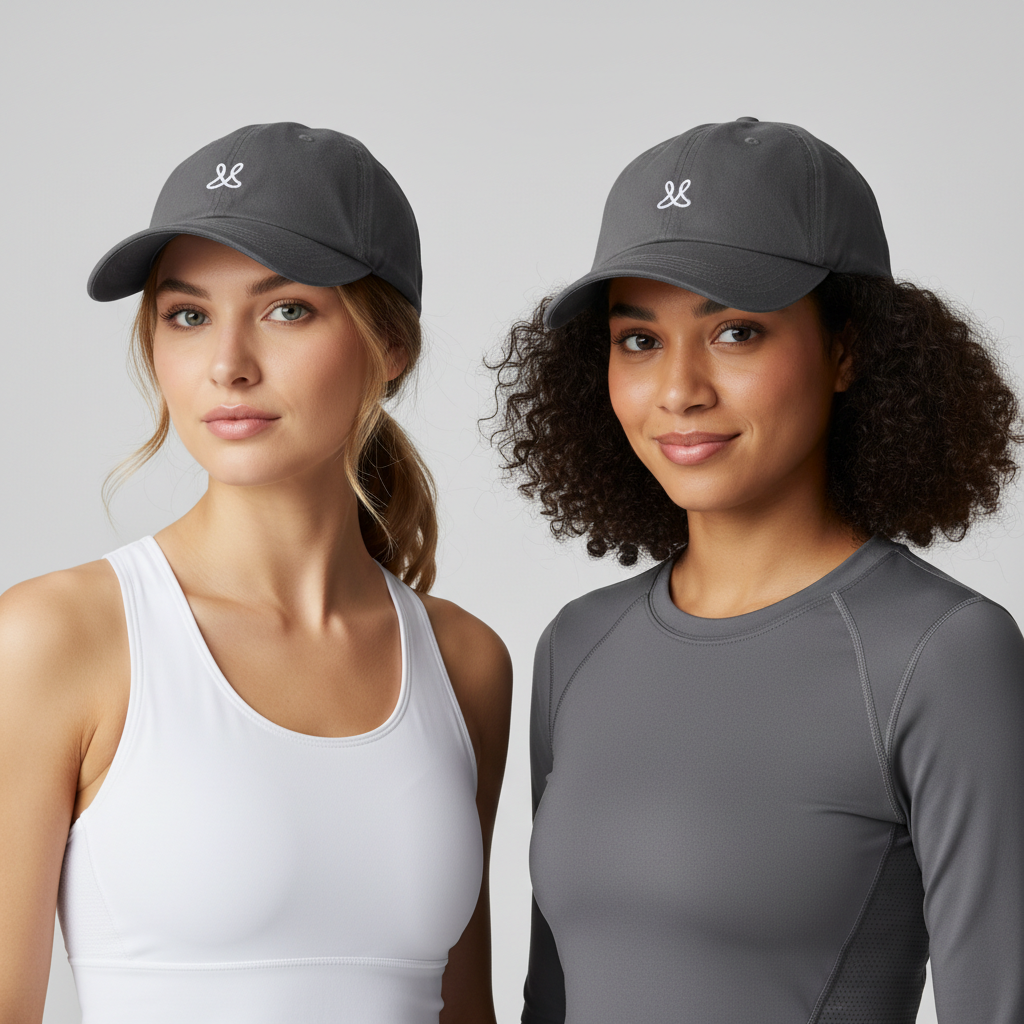
One more honest note: hair changes the fit. Thick curls, braids, extensions, or a high bun can push you into bigger sizes even if your measurement looks “average” on paper.
How to measure your head (and why it’s worth 60 seconds)
Do this once, save the number in your phone, and your hat shopping gets easier.
Simple measuring steps
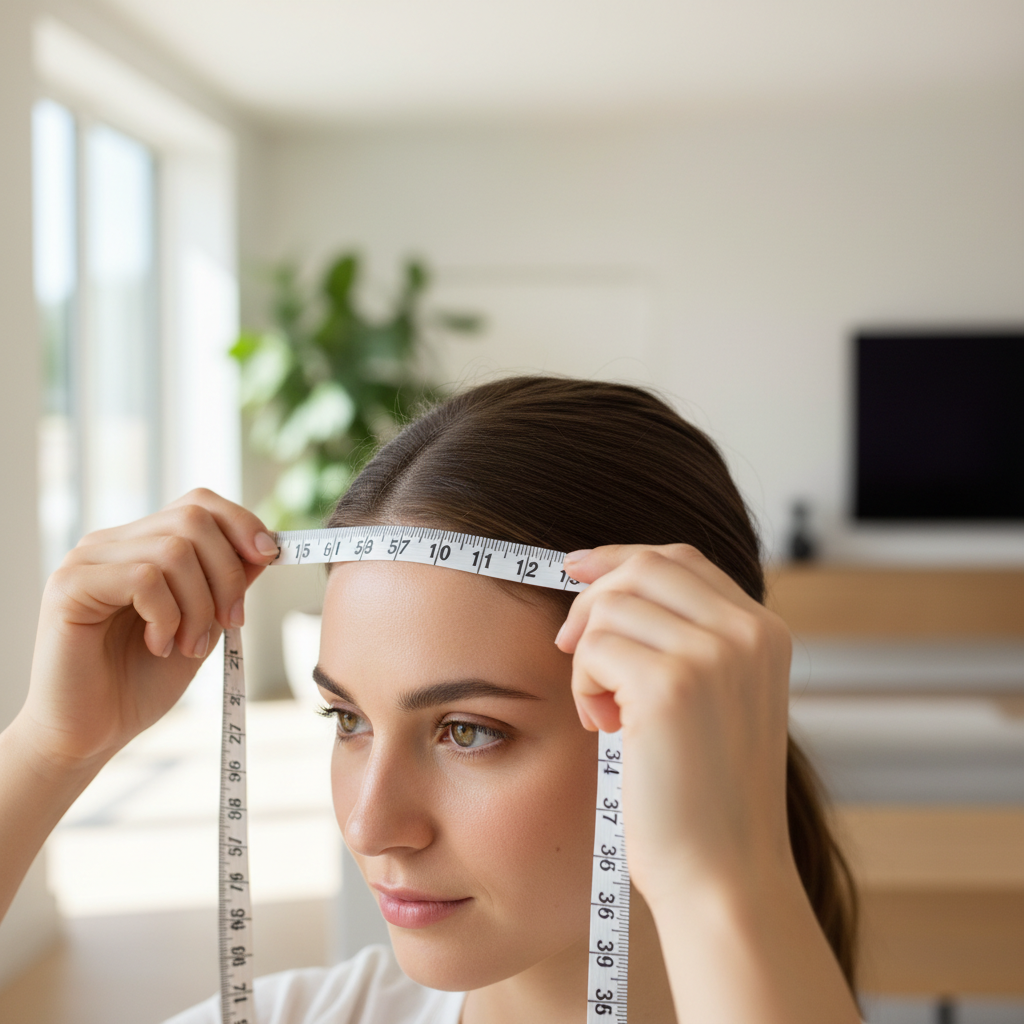
- Use a soft tape measure, place it around your head where a hat band sits: mid-forehead, above the ears, around the widest part of the back of your head.
- Keep it snug but not tight, you should be able to slip one finger under the tape.
- Write down the number in inches and centimeters if you can, some brands list only one.
According to CDC, correct measuring technique matters for head-related measurements, and the same logic applies here: placement and tension change the outcome. If you’re between sizes, many shoppers feel better sizing up and using an internal adjuster rather than forcing a smaller band.
Best hat styles for big heads (and the features to prioritize)
Rather than chasing one “perfect” style, it helps to match the hat type to how it’s built. Below are the categories that tend to be more forgiving for larger heads, with what to look for while you browse.
Baseball caps and dad hats
- Look for: “XL,” “extended size,” “big head,” “deep crown,” or numeric sizing.
- Prefer: soft, unstructured crowns if you need more shape flexibility.
- Watch out for: high-profile structured caps that can feel tight at the front panel.
When people search best hats for big heads women, caps are often the first pain point because many “adjustable” straps still cap out around a limited circumference.
Beanies (especially for winter)
- Look for: “oversized,” “slouch,” “extra deep,” and rib knits with good stretch recovery.
- Prefer: wider cuffs that don’t pinch, or cuffless styles if you hate forehead pressure.
- Watch out for: cheap acrylic that stretches out once, then never fits the same again.
Bucket hats
- Look for: size runs (S/M, L/XL) and cotton or canvas with a bit of give.
- Prefer: slightly longer brims if you want balance, bigger heads can make short brims look tiny.
- Watch out for: stiff, non-adjustable buckets labeled “one size” with no measurement chart.
Sun hats and wide-brim hats
- Look for: internal drawstring, sweatband adjuster, or “travel” builds that flex.
- Prefer: deeper crowns, they sit down on the head and feel more secure on windy days.
- Bonus: if sun protection matters, check for UPF labeling from the brand and follow care instructions, performance fabrics can be picky.

Fedoras and felt hats can work too, but they’re less forgiving. If you love the look, prioritize brands offering multiple sizes and hat sizing tape recommendations.
Shopping cheat sheet: what to look for in listings (and what to ignore)
Product pages can be vague, so you’re hunting for a few specific signals.
- Measurements listed clearly: circumference range in inches/cm, not just “fits most.”
- Fit language that sounds specific: “deep crown,” “XL/XXL,” “roomy,” “extended sizes.”
- Internal adjusters: drawstring, elastic sweatband, Velcro with extra length, or sizing inserts.
- Material honesty: cotton canvas and knits tend to forgive, stiff straw and rigid felt punish small sizing errors.
What to ignore: reviews that only say “fits great” with no context. People have different hair volume and sensitivity to pressure, so those comments can be noisy.
Fit fixes: make a almost-right hat wearable
If a hat is close but not perfect, you often have options. Just don’t try to force a too-small hat, comfort matters, and headaches are a real quality-of-life problem.
If the hat is slightly loose
- Use hat sizing tape or foam inserts under the sweatband, start with small sections and test.
- Try a different hairstyle, low ponytail or flatter crown styles can stabilize the fit.
If the hat is slightly tight
- For fabric caps, a gentle stretch over a ball or a hat stretcher can help, but go slowly to avoid warping panels.
- For felt hats, stretching is possible, but results vary by material and construction, many people prefer having a hat shop handle it.
According to American Academy of Dermatology Association, friction and pressure on skin can contribute to irritation for some people, so if a band rubs your forehead raw, it’s not worth “breaking in” for weeks.
Common mistakes (the stuff that keeps people stuck)
- Assuming “adjustable” equals big-head friendly: many straps adjust, but the crown depth stays shallow.
- Buying stiff hats without measurements: straw and structured felt need sizing accuracy more than knits.
- Ignoring return policies: hats are notorious for “final sale,” especially seasonal items.
- Over-tightening for security: if you crank a strap to stop slipping, it usually means the crown shape or depth isn’t right.
If you’re comparing two similar options, pick the one with clearer measurement info. It’s boring, but it tends to be the difference between a keeper and a closet hat.
Conclusion: a comfortable fit is a real style upgrade
Best hats for big heads women aren’t rare, they’re just easier to find when you shop by measurements, prioritize depth, and treat “one size” as a warning label instead of a promise.
If you do one thing today, measure your head and save the number. If you do two things, also filter for extended sizes or deep crowns, then use sizing tape to fine-tune once the hat arrives.