
women workout tank top breathable is usually what people mean when they say, “I just want a top that doesn’t feel like a wet towel halfway through class.” If your current tank traps heat, shows sweat too easily, rides up, or rubs your skin, the issue is rarely “you sweat too much,” it’s more often the fabric, the cut, or the wrong use-case.
This is worth caring about because your top affects more than comfort, it can change how confidently you move, how much you adjust mid-set, and whether you actually want to show up again tomorrow. Breathability isn’t one magic material either, it’s a mix of airflow, moisture management, and how the tank sits on your body.
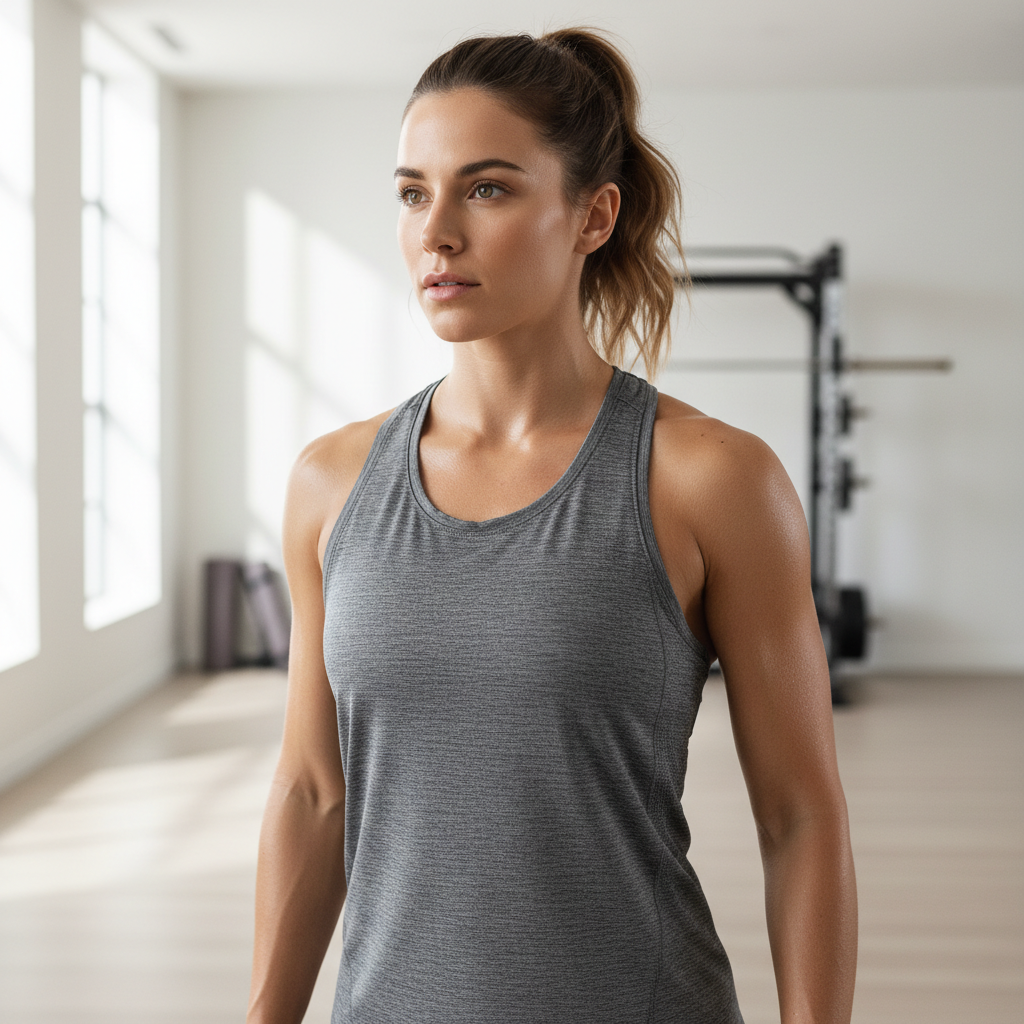
Also, quick reality check, “breathable” marketing claims can be vague. This guide helps you judge a tank by what you can see and feel: fabric blend, knit structure, ventilation zones, seams, and fit, then match that to your workouts and your personal comfort line.
What “breathable” really means in a workout tank
Breathability is about how easily heat and moisture vapor can move away from your skin. A tank can be thin yet still feel suffocating if the knit is tight and holds moisture, and a tank can look substantial yet feel airy if it has the right structure and ventilation.
- Airflow: open knits, mesh panels, looser fits, racerback cuts that expose more skin surface.
- Moisture-wicking: fibers and finishes that move sweat off your skin so it can evaporate.
- Dry time: how fast the fabric stops feeling damp after intervals or a hot studio.
- Comfort under motion: seams, armholes, straps, and hem that don’t chafe when you row, run, or lift.
According to the American Council on Exercise (ACE), breathable, moisture-managing clothing can help improve comfort during exercise, especially in warmer environments, but it’s not a substitute for smart hydration and temperature management.
Why some tanks feel hot, sticky, or “heavy” during training
If a women workout tank top breathable still feels wrong, the root cause often looks like one of these:
- Too much cotton for your sweat level: cotton can hold moisture and stay damp, which many people interpret as “not breathable.”
- Fabric is wicking but not ventilating: smooth synthetics can move sweat, yet still trap heat if the knit is dense and the fit is tight.
- Fit mismatch: a compressive or clingy midsection reduces airflow, especially under a sports bra band.
- Armholes or neckline rub: irritation makes you notice every minute of the workout, even if the fabric is decent.
- Layering traps heat: a high-coverage bra plus a built-in shelf plus a tight tank can feel like three layers.
One more thing people don’t love hearing, studio conditions matter. Hot yoga, crowded HIIT rooms, and humid climates can overwhelm even a well-designed tank, so the goal is “better,” not “perfect in every room.”
Quick self-check: which breathable tank features do you actually need?
Use this checklist to get specific before you shop. The clearer you are, the less likely you end up with a cute tank you never wear.
- You do high-sweat cardio (running, HIIT, spin): prioritize mesh zones, fast-dry synthetics, and a slightly looser drape.
- You lift heavy: look for arm mobility (racerback or wider armholes) and hems that stay put when you hinge and overhead press.
- You do yoga/pilates: comfort and coverage matter more; choose soft handfeel, wide straps, and a cut that won’t fall into your face in inversions.
- You’re sensitive to chafe: flat seams, smooth binding, and tag-free labels tend to matter more than the lightest fabric.
- You want less sweat show-through: medium tones, heathered fabrics, or textured knits often hide moisture better than solid light colors.
If you’re unsure where you fall, start by noticing when discomfort shows up: during warm-up, only after sweating, or when you lift your arms. That timing usually points to fit, fabric, or seam placement.
Fabric and construction: what to look for (and what to skip)
Here’s a practical way to judge a women workout tank top breathable without relying on buzzwords.
Common materials and how they behave
| Material / Blend | Typical feel | Good for | Watch-outs |
|---|---|---|---|
| Polyester / recycled polyester | Light, quick-dry | HIIT, running, hot gyms | Some builds hold odor if care is inconsistent |
| Nylon blends | Smoother, often softer | Strength, studio, everyday wear | Can feel warmer if knit is dense |
| Poly + elastane (spandex) | Stretchy, body-following | Mixed training, fitted styles | Too much elastane can reduce airflow |
| Cotton blends | Soft, casual | Low-intensity, errands | May stay damp during sweaty sessions |
| Merino blends | Temperature-balanced | Outdoor training, travel | Care needs vary; can snag if very lightweight |
Construction details that quietly make or break comfort
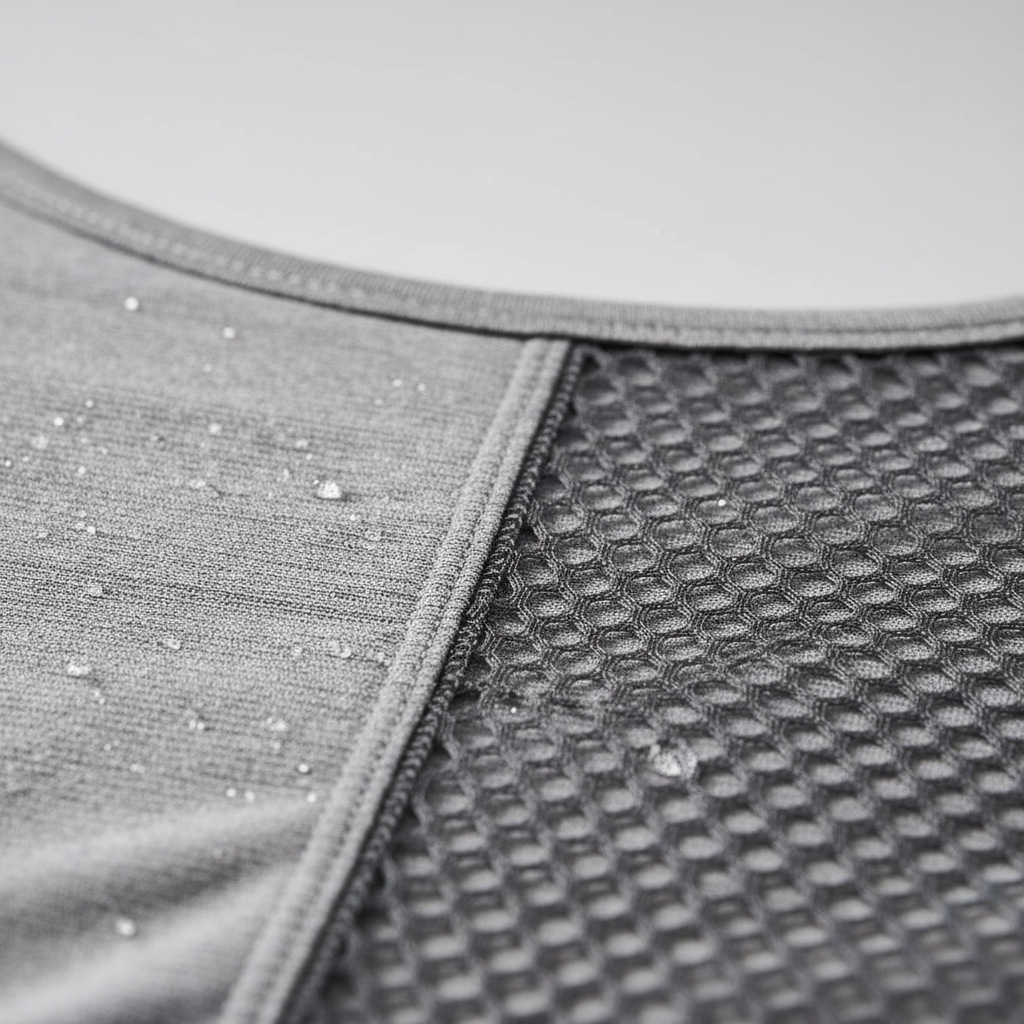
- Mesh or perforations in high-heat zones: upper back, between shoulder blades, underarms.
- Flatlock seams: less rubbing, especially under a pack or during long runs.
- Bound armholes that don’t cut in: too tight equals trapped sweat and chafe.
- Hem design: curved hems can help coverage; split hems can reduce cling during movement.
According to the Centers for Disease Control and Prevention (CDC), exercising in heat increases risk of heat-related illness; breathable clothing may help comfort, but you still want sensible pacing, hydration, and cooling strategies if you’re training in hot conditions.
Fit choices that affect airflow (more than most people expect)
Fit is where “breathable” becomes real. Two tanks in the same fabric can feel totally different based on cut.
- Relaxed fit: more airflow, often the safest pick if you overheat easily.
- Semi-fitted: good balance for lifting and everyday wear, less fabric flapping.
- Fitted/compressive: can work if the fabric is highly moisture-managing, but it’s the easiest way to accidentally buy a heat trap.
Straps matter too. A racerback often improves shoulder movement and ventilation, while a higher neckline can feel secure yet warmer. If you hate bra straps showing, a wider-back tank may look cleaner, but you may give up some airflow.
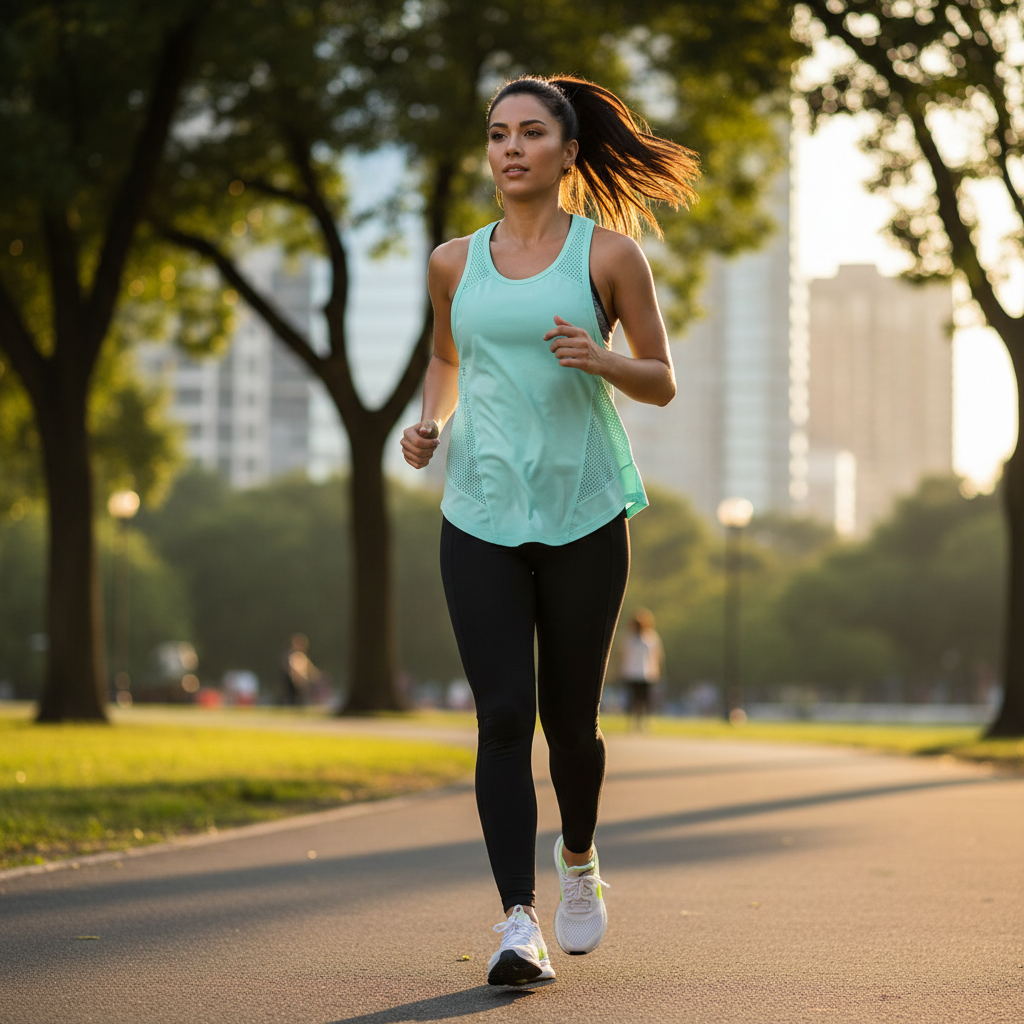
Key point: if you constantly tug the hem down or adjust the neckline, you’re losing the benefit of breathability because you’re distracted and tensing up. Comfort and coverage are part of performance, even if that sounds a bit dramatic.
Practical buying and testing tips (online and at home)
You can screen a lot before you commit, especially when shopping online.
When shopping online
- Look for clear fabric composition and construction notes, not just “breathable.”
- Scan photos for ventilation mapping: mesh placement should match heat zones, not random decoration.
- Check model pose shots: overhead reach, twist, or lunge images show whether armholes gape or hems ride up.
- Read reviews for patterns, not one-off complaints: “clings when sweaty” or “armholes rub” repeated across sizes is a useful signal.
At-home test in 3 minutes
- Light test: hold the fabric to a light source, a slightly more open knit usually breathes better.
- Hand damp test: wet your fingertips and touch the inside, a good performance fabric spreads moisture, it doesn’t stay in a tight spot.
- Movement test: 10 bodyweight squats, a few arm circles, and one overhead reach, then notice gaping, riding, and rubbing.
If you’re between sizes and overheating is your main complaint, many people feel better sizing up in a tank, then relying on the sports bra for support.
Care tips to keep a breathable tank performing
A women workout tank top breathable can lose its “fresh” feel if it’s cared for like a cotton tee. You don’t need perfection, just a few habits that prevent buildup.
- Don’t leave sweaty gear in a closed bag for hours, odor can set in more easily.
- Use cold or warm water and a gentle cycle, harsh heat may reduce elasticity over time.
- Skip heavy fabric softener in many cases, it can coat fibers and reduce wicking, check the care label.
- Air dry when possible, or use low heat if you’re short on time.
If odor becomes stubborn, a sport-specific wash or an occasional vinegar rinse may help, but if you have skin sensitivities it’s smart to test carefully or ask a professional for guidance.
Conclusion: how to choose your next breathable workout tank with confidence
The best women workout tank top breathable is the one that matches your sweat level, your movement pattern, and your comfort priorities, not the one with the loudest “breathable” tag. Focus on ventilation zones, a fabric that dries fast for your training style, and a fit that lets air move without sacrificing coverage.
If you want a simple next step, pick one workout you do most, then choose a tank designed for that environment, wear it for two sessions, and take notes on cling, chafe, and dry time. That small feedback loop beats guessing every time.
FAQ
What fabric is best for a breathable women’s workout tank top?
For many sweaty workouts, polyester or nylon performance blends tend to feel more breathable because they dry faster. If you run hot, look for mesh panels or a more open knit, not just a “moisture-wicking” label.
Is cotton bad for workouts if I want breathability?
Not always, cotton can feel comfortable for low-intensity sessions, but it often stays damp during high-sweat training. If “heavy and wet” is your complaint, cotton-heavy tanks are a common culprit.
Why does my tank top cling when I sweat even if it’s “wicking”?
Cling usually comes from a tight fit, a smooth dense knit, or both. A slightly looser cut or a tank with textured fabric and ventilation zones often feels less sticky during intervals.
Are built-in bra tanks less breathable?
They can be, because you’re effectively adding a layer. Some are designed well and still feel airy, but if you overheat easily, a separate sports bra plus a lighter tank often gives you more control.
How many workout tanks should I own if I train 3–5 days a week?
Many people find 3–6 tanks practical, depending on laundry frequency and how sweaty sessions get. The main goal is avoiding re-wearing a damp tank that never fully dries.
What features help reduce chafing during running?
Flat seams, smooth binding around armholes, and a fabric that doesn’t hold moisture in one spot help a lot. If you’re prone to irritation, consider anti-chafe balm too, and ask a clinician if skin breakdown keeps happening.
Do breathable tanks help prevent overheating?
They may improve comfort and help sweat evaporate, but they won’t eliminate heat risk. If you train in high heat or humidity, adjust intensity, hydrate, and consider professional advice if you’ve had prior heat illness.
How can I tell if a tank is see-through under gym lighting?
Do a quick stretch test in front of a bright window or bathroom light, and check with your usual sports bra color. Heathered fabrics and slightly thicker knits often provide more coverage without feeling suffocating.
If you’re sorting through options and want something that feels cooler without turning into a floppy, awkward fit, it helps to start from your main workout and pick features to match, then narrow by cut and fabric blend rather than brand claims.