
Best hair oil for hair growth searches usually come from the same place: you want thicker-looking hair, less shedding in the shower, and something that feels doable at home. Hair oil can help, but it works best as a scalp-care tool and a breakage-prevention tool, not a magic switch that forces new follicles to appear overnight.
If you pick the right oil for your scalp type, use it with a consistent routine, and avoid common mistakes like over-oiling or irritating essential oils, you can often improve shine, reduce snap, and create a healthier environment for growth over time. That “environment” part matters more than most people think.
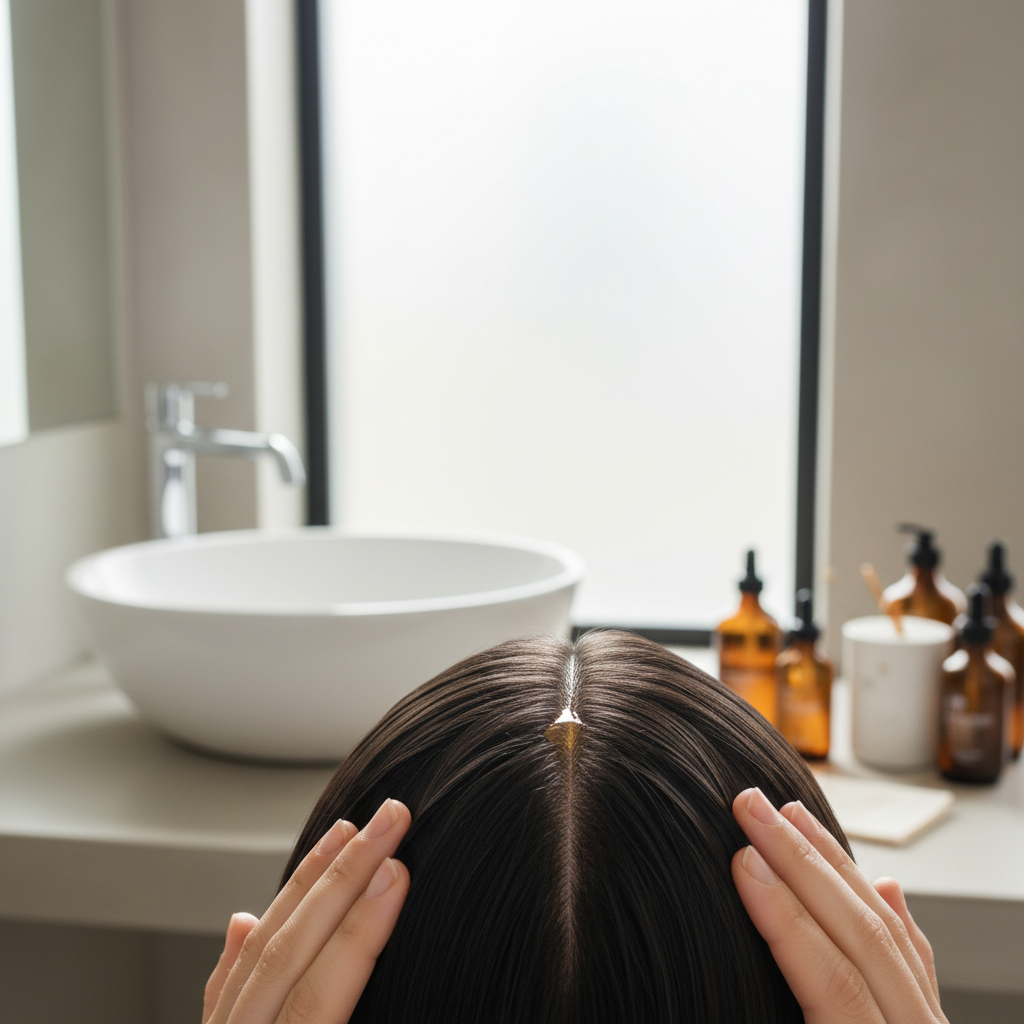
One quick expectation reset before we get tactical: oils don’t “grow” hair the way prescription treatments might, but they can support the conditions that help hair look fuller, especially if your real problem is dryness, scalp buildup, friction, or weak ends.
What hair oils can (and can’t) do for growth
Hair growth gets complicated fast because “growth” can mean different things: new hair coming in, less shedding, less breakage, or hair simply looking denser. Oils mainly influence the last two, and sometimes scalp comfort.
- Can help: reduce breakage from dryness and friction, improve slip for detangling, support scalp moisture balance, add shine so hair looks healthier and thicker.
- May help in some cases: reduce the look of shedding if scalp irritation is a trigger, especially when you stop scratching and over-washing.
- Can’t reliably do: reverse genetic hair loss on its own, fix hormonal hair shedding, or replace medical treatments if follicles are miniaturizing.
According to the American Academy of Dermatology Association, hair loss can have many causes and the right treatment depends on the pattern and trigger, which is why a one-size-fits-all “miracle oil” story rarely holds up in real life.
How to choose the best hair oil for hair growth in 2026
The best choice usually comes down to two variables: your scalp behavior (oily, dry, sensitive, flaky) and your hair fiber needs (fine and limp, coarse and dry, curly and fragile, color-treated).
Carrier oils vs essential oils, in plain English
- Carrier oils are the base oils you can use in meaningful amounts, like jojoba, coconut, argan, grapeseed, olive, castor, and sunflower.
- Essential oils are concentrated aromatic extracts, they must be diluted, and they can irritate sensitive scalps. For many people, skipping them is the safer call.
If you’re shopping in 2026, you’ll see more “scalp serum oils” that blend light carriers with a small amount of actives. That can be nice for ease of use, but it also makes patch testing more important because blends include more potential irritants.
Ingredient cheat sheet: what to look for (and why)
Here’s the practical shortlist. These are common, reasonably well-tolerated options that fit most routines, with a few caveats based on texture and scalp type.
| Oil | Best for | Why people like it | Watch-outs |
|---|---|---|---|
| Jojoba oil | Oily or balanced scalps, fine hair | Light feel, helps soften without heavy residue | Still can weigh down very fine hair if overused |
| Argan oil | Dry ends, color-treated hair | Smooths frizz, adds shine, good as a leave-in on lengths | Often blended, check for added fragrance if sensitive |
| Coconut oil | Thick hair, very dry lengths | Great slip and protection for some hair types | Can feel heavy, may worsen scalp buildup for some |
| Castor oil (often in blends) | Protective styles, edge care, very dry hair | Thick texture feels “sealing,” popular for scalp massage | Too thick alone for many, can trap buildup |
| Grapeseed or sunflower oil | Fine hair, oil-prone scalps | Lightweight, easier to rinse | Less “cushy” feel for very coarse hair |
| Rosemary oil (diluted) | Some people targeting thinning | Popular, often used in scalp blends | Must be diluted, may irritate, patch test first |
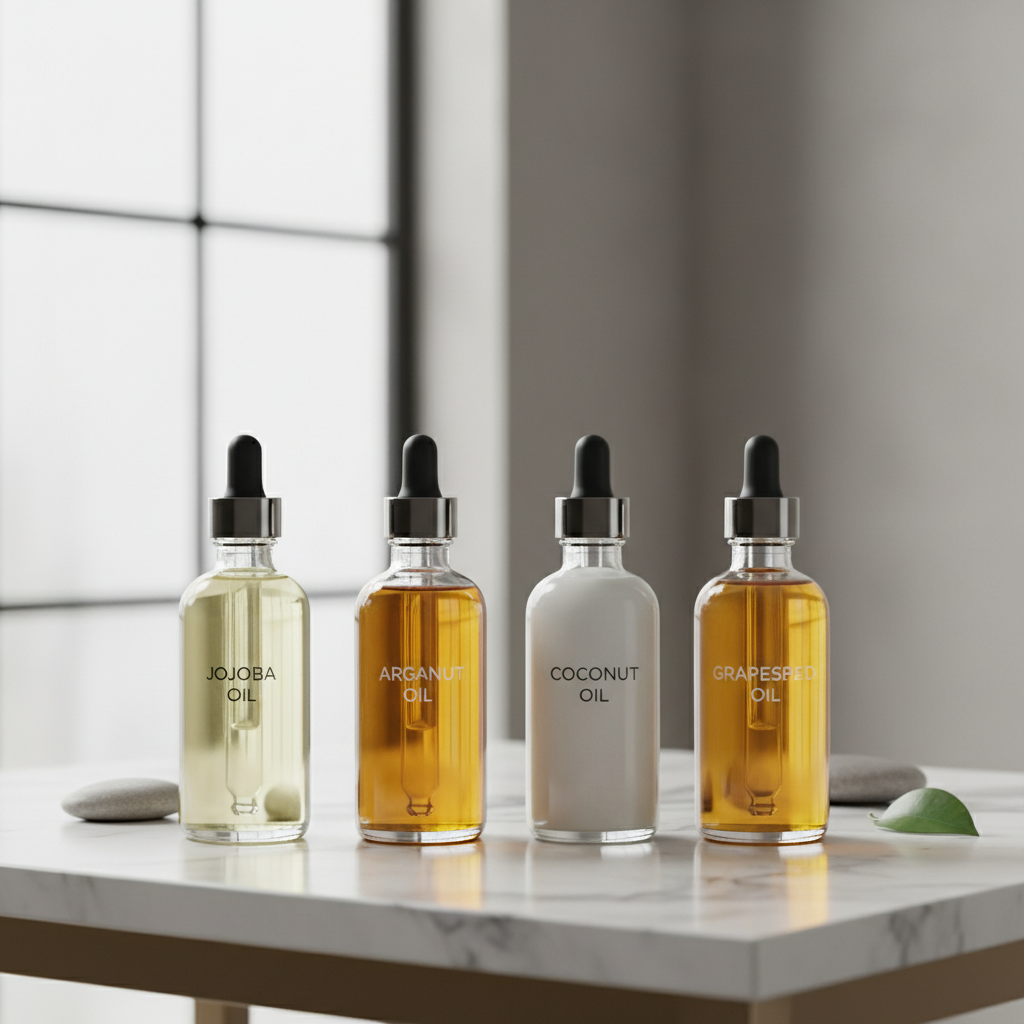
One editor-style opinion: if you’re overwhelmed, start with jojoba or grapeseed for scalp and argan for mid-lengths and ends. It’s boring, but boring works for many routines because it’s less likely to irritate or feel greasy.
Quick self-check: which hair oil routine fits you?
This is the part people skip, then they blame the oil. Pick the closest match and follow that path for a few weeks before you switch.
- If your scalp gets oily fast: choose lightweight oils, use small amounts, focus on short pre-shampoo treatments.
- If your scalp feels tight or itchy: prioritize gentle carrier oils, avoid fragrance-heavy blends, patch test, and keep massage pressure light.
- If you have flakes: treat the cause first, oil can feel soothing but can also trap buildup, so don’t use it to “cover” persistent dandruff.
- If your hair breaks easily: use oil mainly on lengths and ends, add a little before detangling, protect hair at night.
- If you wear protective styles: use thin layers more often rather than heavy applications, keep scalp clean between refreshes.
According to the National Eczema Association, fragranced products can be a common irritation trigger for sensitive skin, so “nice smell” isn’t always a win if your scalp flares.
Step-by-step: how to use hair oil for growth support
If you want the best hair oil for hair growth to actually earn its place, treat it like a simple system, not a random extra step.
1) Pre-shampoo scalp oiling (most beginner-friendly)
- Part hair in a few sections, apply 3–8 drops of a lightweight oil to the scalp, more is not better.
- Massage gently for 2–3 minutes, think “stimulate” not “scrub.”
- Leave on 20–60 minutes, then shampoo thoroughly. If you have buildup, a second shampoo pass often helps.
2) Length and ends sealing (for breakage control)
- After washing, rub 1–3 drops between palms and smooth over mid-lengths to ends.
- Focus on areas that snag, twist, or fray, that’s usually where density disappears visually.
3) Overnight oiling (use selectively)
Overnight oiling can be helpful for very dry hair, but it’s also where people overdo it and wake up with a greasy scalp and clogged follicles. If you try it, use a small amount on lengths, protect your pillow, and wash in the morning.
Mistakes that quietly sabotage results
Most “hair oil didn’t work” stories have a few repeat themes. Fixing these usually gives more improvement than switching brands.
- Using too much oil: heavy residue can make hair look flatter, and buildup can irritate your scalp.
- Ignoring cleansing: oil plus dead skin plus styling products can create a film, clarify occasionally if your hair tolerates it.
- Overusing essential oils: more drops does not equal faster results, irritation can increase shedding in some people.
- Rough towel drying: friction breaks hair at the exact point you want length retention.
- Expecting new growth in 2 weeks: hair cycles take time, judge progress in months, not days.
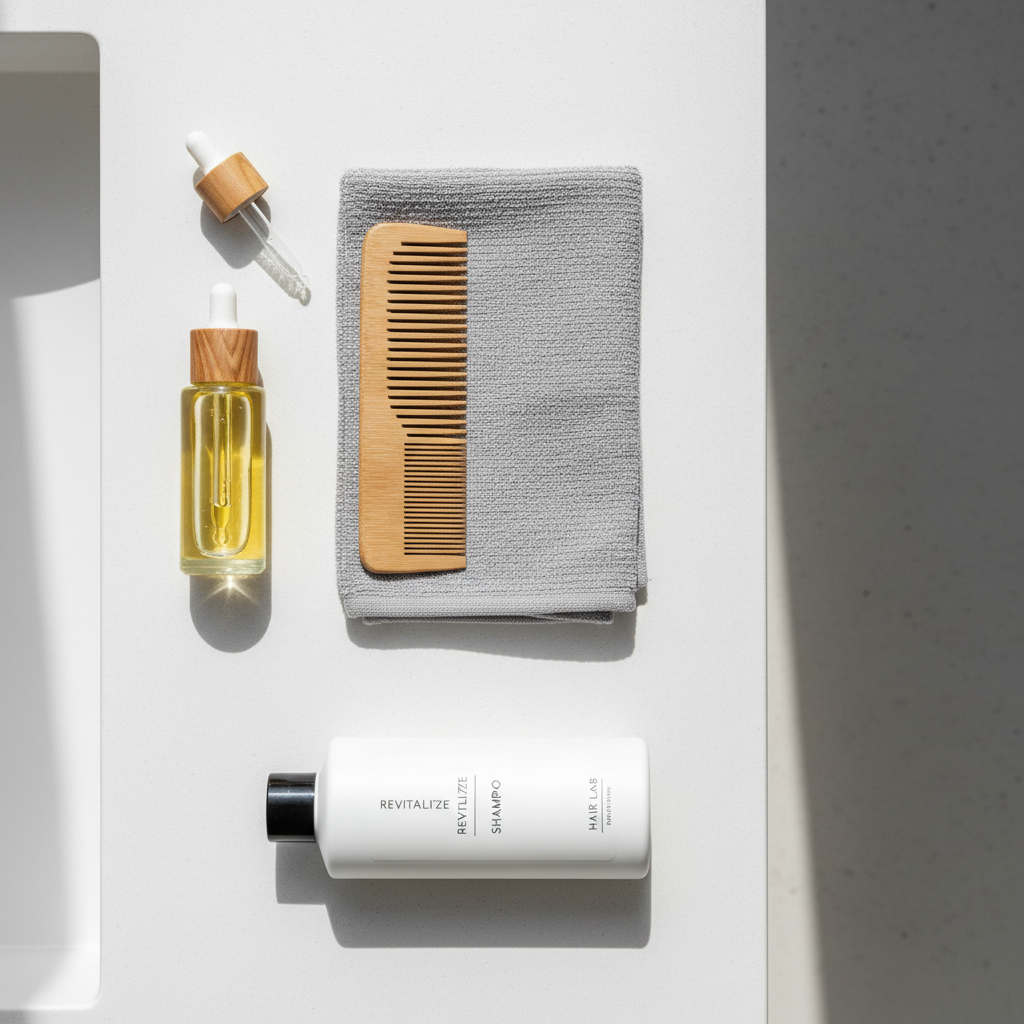
Key takeaway: if you want hair to look thicker, protect what you have while keeping the scalp calm and clean enough to do its job.
When hair oil isn’t enough: signs you should talk to a professional
If hair loss feels sudden, patchy, or paired with scalp pain, oil routines can become a distraction. In these cases, a dermatologist or other qualified clinician can help you identify the cause and options.
- Fast shedding that lasts more than a few months
- Bald patches, widening part, or recession that keeps progressing
- Burning, swelling, sores, or heavy scaling on the scalp
- Hair loss after starting a new medication, postpartum changes, or major stress, which may need targeted support
According to the U.S. Food and Drug Administration (FDA), only certain treatments are approved for hair loss, so it’s worth being cautious with products that imply drug-like results without clear evidence.
Conclusion: picking the “best” oil is really picking a routine you’ll keep
The best hair oil for hair growth is usually the one that matches your scalp type, doesn’t irritate you, and fits your schedule so you actually use it consistently. Lightweight oils tend to suit most scalps for pre-shampoo massage, while richer oils do better work on lengths and ends to reduce breakage.
If you want a simple next step, choose one scalp-friendly oil, commit to a twice-weekly pre-shampoo routine for 6–8 weeks, and take a couple of photos in the same lighting so you can judge changes without guessing.
FAQ
- What is the best hair oil for hair growth if I have an oily scalp?
Usually a lightweight carrier oil like jojoba or grapeseed works better than thick oils, and using it as a short pre-shampoo treatment helps prevent greasy roots. - Can rosemary oil regrow hair?
Some people use diluted rosemary oil as part of a scalp routine, but results vary and irritation is possible, especially if it’s not properly diluted, a dermatologist can help if thinning is significant. - How often should I oil my scalp for growth support?
Many people do well with 1–3 times per week, more frequent use can backfire if it increases buildup or itching, so adjust based on how your scalp behaves. - Should I oil my hair before or after washing?
For scalp care, pre-shampoo oiling is often easier to manage. For breakage control, a tiny amount after washing on the ends can help with slip and shine. - What oil is best for hair growth for Black hair or curly hair?
Heavier oils and blends can work well on lengths for moisture retention, but many scalps still prefer lighter application, focusing on keeping the scalp clean between styles tends to matter most. - Can hair oil cause hair loss?
Oil itself doesn’t usually cause true hair loss, but irritation, allergic reactions, or heavy buildup can increase shedding in some cases, stop use and consider professional advice if symptoms persist. - How long does it take to see results from hair oil?
For shine and frizz, you may notice changes quickly. For breakage reduction and “fuller look,” give it at least 6–12 weeks, since hair growth cycles move slowly.
If you’re trying to simplify your routine, a good approach is to pick one lightweight scalp oil and one ends oil, then track itch, flakes, and breakage for a month, it’s often clearer than chasing the newest launch every week.