
men fleece jacket warm cozy is what most guys type when they’re tired of a jacket that feels either too thin to matter or so bulky it ruins layering.
Fleece is supposed to be simple, grab-and-go warmth, but shopping gets weird fast: different weights, different linings, “tech” fabrics, and fits that look great online then feel wrong in real life.
This guide helps you pick a fleece that matches how you actually dress and where you actually wear it, plus how to layer it so it stays comfortable without overheating, and how to wash it without turning it into a lint magnet.
What “warm & cozy” really means in a men’s fleece jacket
“Warm” usually comes down to how much still air the jacket can trap, while “cozy” is the combo of softness, stretch, and a fit that doesn’t tug at shoulders or ride up at the waist.
According to National Weather Service guidance on cold exposure, staying warm is strongly tied to keeping insulation effective and avoiding moisture buildup, which is why fleece works best when it stays dry and paired with a wind layer when needed.
- Warmth: fleece weight, knit structure, and how much wind gets through.
- Cozy feel: brushed interior, seam placement, collar comfort, and sleeve lining.
- Real-world comfort: breathability during movement, not just standing still.
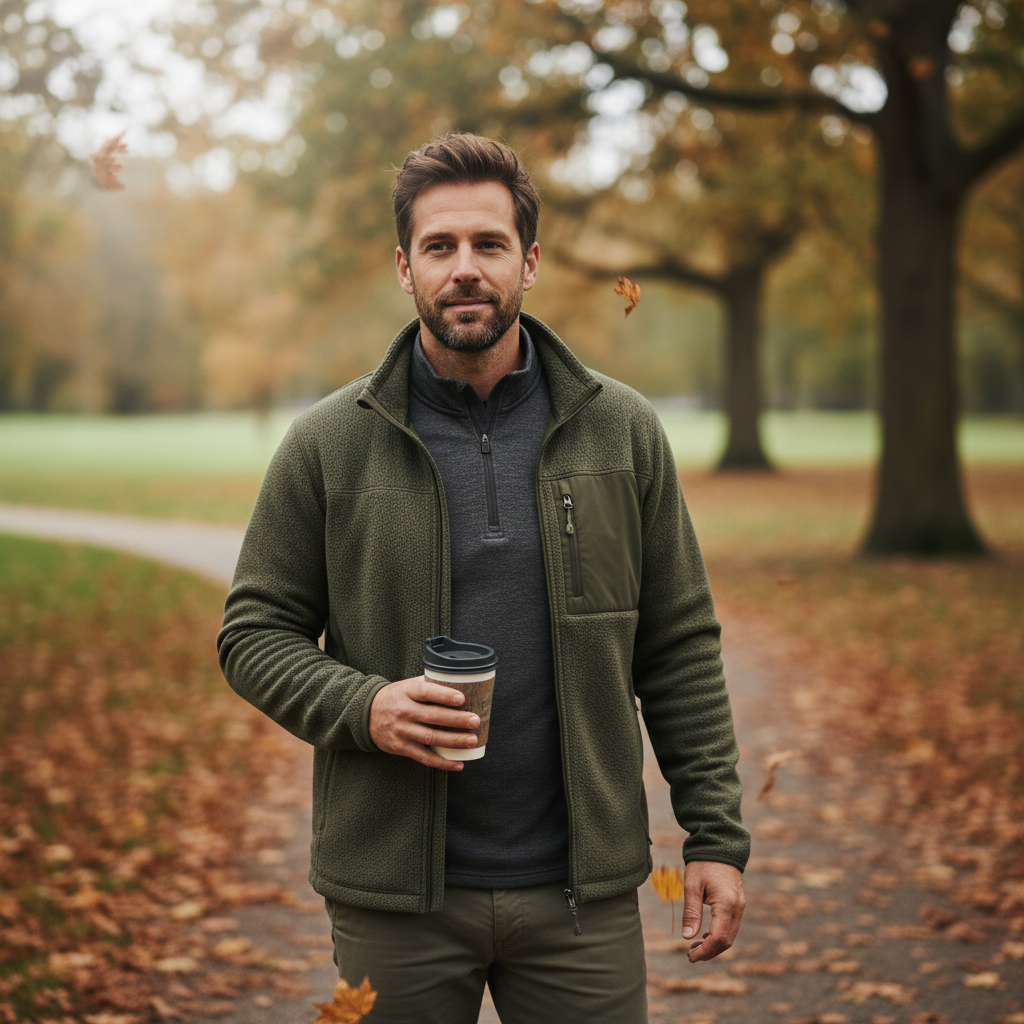
The fleece factors that actually change warmth
If you only look at “soft” in the product copy, you’ll miss the specs that decide whether you feel comfortable on a windy walk or end up shivering at a game.
Fleece weight: light, mid, heavy
- Lightweight: best for indoor chill, travel, or as a midlayer under a shell.
- Midweight: the sweet spot for most people, easy to wear alone in mild cold.
- Heavyweight: cozy for low activity and colder temps, but can feel too hot when moving.
Wind resistance (the “why is this cold?” moment)
Classic fleece lets wind pass through, that’s not a defect, it’s the tradeoff for breathability. If you get cold standing around, look for tighter-knit fleece, a bonded face fabric, or plan on adding a light shell.
Interior feel and seam placement
Cozy depends on details: brushed lining, soft chin guard at the zipper, and seams that don’t sit right on your shoulder strap line if you wear a backpack.
Quick self-check: which fleece jacket type fits your life?
Before you buy, be honest about where you’ll wear it. A men fleece jacket warm cozy for commuting is not the same pick as one for hiking or job sites.
- Mostly indoors / office A/C: lightweight fleece or a fleece-lined knit, less bulk.
- Commuting + errands: midweight fleece with decent collar and hand pockets.
- Active outdoors: breathable fleece, athletic cut, easy layering under a shell.
- Cold stands / sidelines: heavier fleece or fleece plus insulated vest, wind layer helps.
- Travel: midweight, wrinkle-friendly, zip pockets, doesn’t trap odor easily.
If you’re between two sizes, choose based on layering: size up if you want a hoodie under it, stay true-to-size if you want it as a midlayer under a shell.
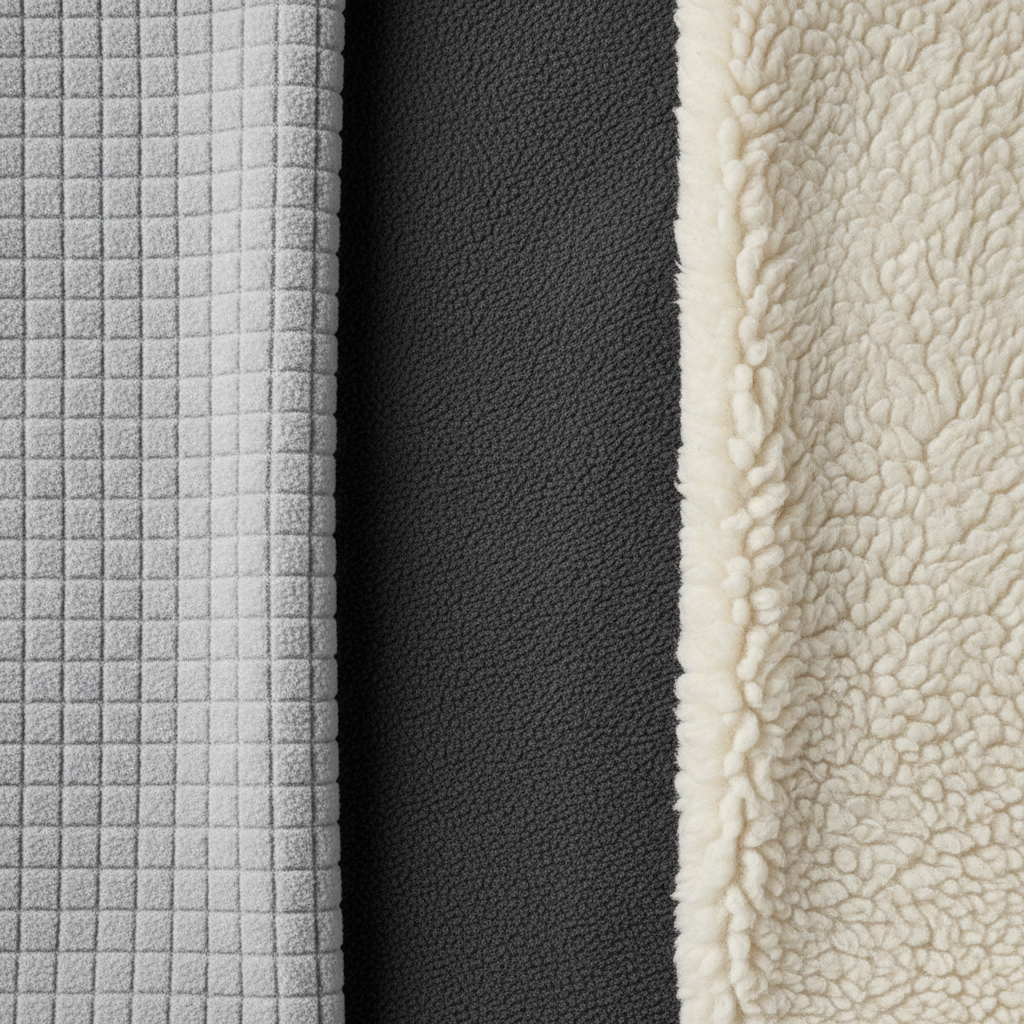
Choose the right features: zipper, hood, pockets, cuffs
Features matter less than brands and hype, but they matter more than most people admit after a month of wearing the jacket.
- Full-zip vs quarter-zip: full-zip vents fast and layers easier, quarter-zip feels simpler and often warmer at the core.
- Hood vs no hood: hood adds comfort when it’s breezy, but can bunch under another hooded layer.
- Pocket style: hand pockets for everyday, zip pockets for travel and commuting.
- Cuffs and hem: elastic binding blocks drafts, relaxed cuffs feel more lounge-like.
- High collar: underrated cozy factor, especially if you hate scarves.
One small callout: if the jacket uses a stiff zipper with no chin guard, it can be annoying fast, even if everything else is perfect.
Layering that keeps fleece warm without getting sweaty
A men fleece jacket warm cozy setup usually depends on layering more than buying the thickest fleece you can find.
Use a simple 3-layer logic
- Base: a tee or thermal that manages sweat (many people like synthetics for activity, cotton for casual comfort).
- Mid: your fleece, the insulation piece.
- Shell: a light windbreaker or rain shell when wind or wet weather shows up.
According to CDC cold weather safety guidance, wet clothing increases heat loss, so if you’re doing anything active, prioritize staying dry with a better base layer and a shell you can vent.
Two common fixes for “it’s still cold”
- Add wind protection: a thin shell over fleece often feels warmer than switching to a thicker fleece.
- Warm the gaps: neck and wrists leak heat, a higher collar and snug cuffs help.
Comparison table: picking the right fleece for your use case
This table is a practical shortcut, not a rigid rule. Fit, local climate, and how you run temperature can change the best choice.
| Use case | Fleece weight | Fit | Best add-on | Watch out for |
|---|---|---|---|---|
| Office / indoor chill | Light | Regular | Soft collar | Overheating in meetings |
| Commuting | Mid | Regular to trim | Wind shell | Wind cutting through open-knit fleece |
| Hiking / active | Light to mid | Athletic | Breathable base layer | Too thick = sweaty climbs |
| Stadium / standing around | Mid to heavy | Room for layers | Insulated vest + shell | Drafts at hem and cuffs |
| Travel | Mid | Regular | Zip pockets | Pilling from seatbelts and bags |
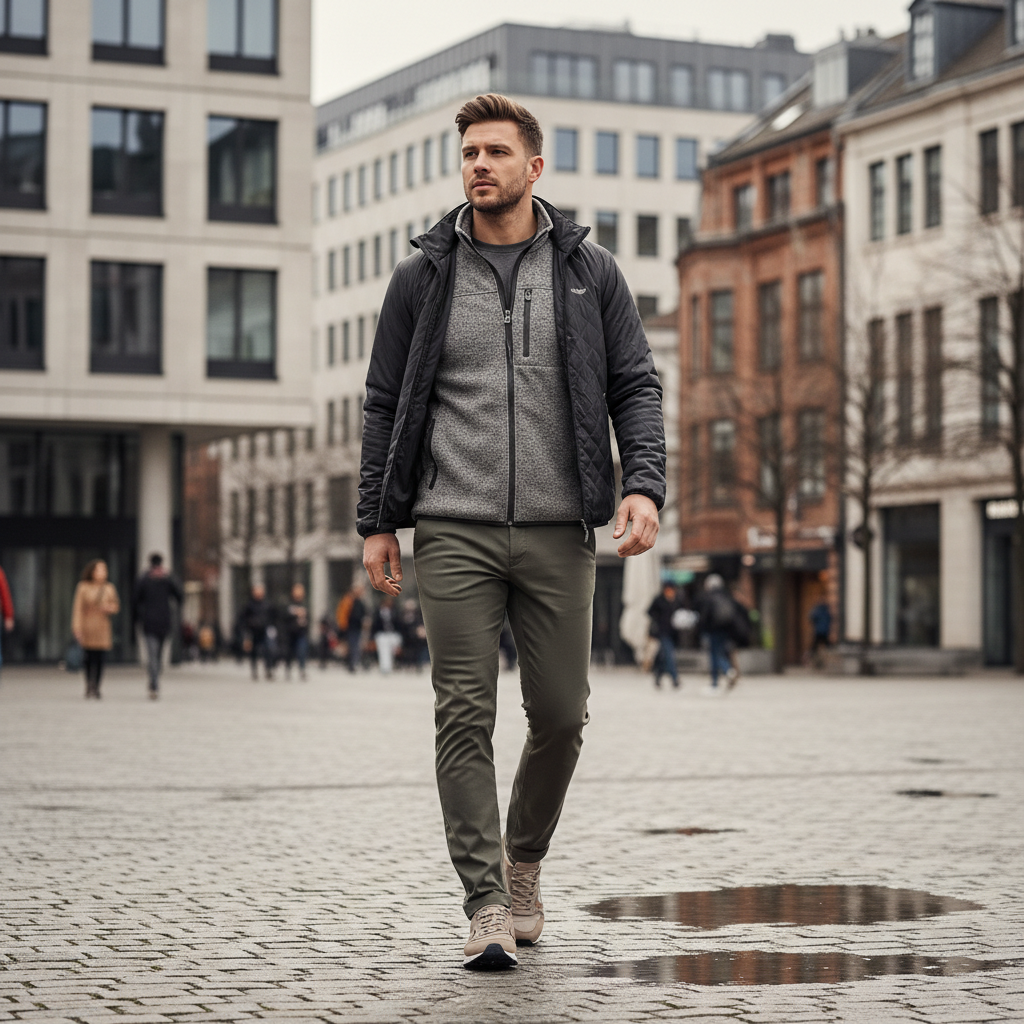
Care tips: keep fleece soft, avoid pilling, reduce static
Most fleece problems happen after purchase: it pills, it clings, or it starts holding odors. Good care won’t make it “new,” but it can keep it comfortable longer.
- Wash cold, gentle: helps protect fibers and reduces fuzzing.
- Skip fabric softener: it can leave residue that affects breathability for some fabrics.
- Air dry or low heat: high heat can stress synthetic fibers.
- Turn inside out: reduces surface abrasion.
- De-pill as needed: a fabric shaver can clean up sleeves and sides.
If you have sensitive skin, pay attention to laundry detergent and rinse well, irritation can come from residue more than the jacket itself. If symptoms persist, consider asking a medical professional.
Key takeaways before you buy
- Cozy isn’t only thickness, it’s fit, collar comfort, and how seams feel day to day.
- Wind is the fleece weakness, plan for a light shell instead of chasing the heaviest option.
- Choose by your routine, commuting, hiking, and indoor use push you toward different weights.
- Care matters, gentle washing and low heat keep fleece softer and cleaner longer.
Conclusion: a warm & cozy fleece is the one you actually wear
A men fleece jacket warm cozy choice gets easier when you stop hunting for a “one jacket for everything” and instead match fleece weight and fit to your most common days. If you run cold, prioritize wind protection and neck coverage, if you run hot, choose breathability and leave room to vent.
If you’re shopping this week, pick one primary use case, decide whether you’ll layer under or over it, then buy the fleece that fits that plan, you’ll wear it more and second-guess it less.
FAQ
What weight should I choose for a men fleece jacket warm cozy feel?
Most people land in midweight because it works indoors and outside in mild cold, then layers easily under a shell. If you want lounge-level softness, heavier fleece can feel cozier, but it’s not always warmer in wind.
Why does my fleece feel cold when it’s windy?
Many fleeces are breathable and let air pass through, so wind strips warmth fast. A thin windbreaker over the top often fixes the problem more effectively than switching to a thicker fleece.
Is a hooded fleece warmer than a non-hooded fleece?
A hood can add comfort around the neck and ears, especially on breezy days. But if you already wear a shell with a hood, two hoods can bunch up and feel annoying.
Can I wear fleece as an outer layer in rain or snow?
Light precipitation might be fine for short periods, but fleece isn’t a rain layer and it can lose insulation when wet. If conditions look wet, add a rain shell and adjust ventilation to avoid sweat buildup.
How do I stop fleece from pilling?
You can’t prevent it completely, but you can reduce it by washing inside out, avoiding high heat, and keeping it away from rough abrasion like heavy backpack straps. A fabric shaver cleans up pilling without much effort.
What’s better: fleece jacket or insulated puffer for warmth?
Puffers usually feel warmer for their weight in cold, still conditions, while fleece tends to breathe better and feels more comfortable during activity. Many people use fleece as a midlayer and a puffer or shell as the outer layer depending on weather.
How should a fleece jacket fit if I want it cozy?
Cozy usually means enough room to move without shoulder pull, plus sleeves that don’t ride up when you reach forward. If you plan to layer a hoodie underneath, consider sizing up, but keep the hem from getting too loose if drafts bother you.
If you want an easier way to choose
If you’re trying to narrow down a men fleece jacket warm cozy pick without buying and returning three options, it can help to decide your top two priorities, like wind comfort and layering fit, then shortlist jackets that match those needs and your local weather, a simpler filter beats endless scrolling.