
how to wash clothes properly by hand comes down to three things people usually rush past: water temperature, the right amount of detergent, and how much rubbing is too much.
If you have delicates that warp in the washer, workout gear that keeps a “clean-but-not-really” smell, or items labeled “hand wash only,” doing it by hand can feel like guesswork. It doesn’t have to. With a simple routine, you can get a deep clean without stretching knits, fading colors, or leaving soap trapped in seams.
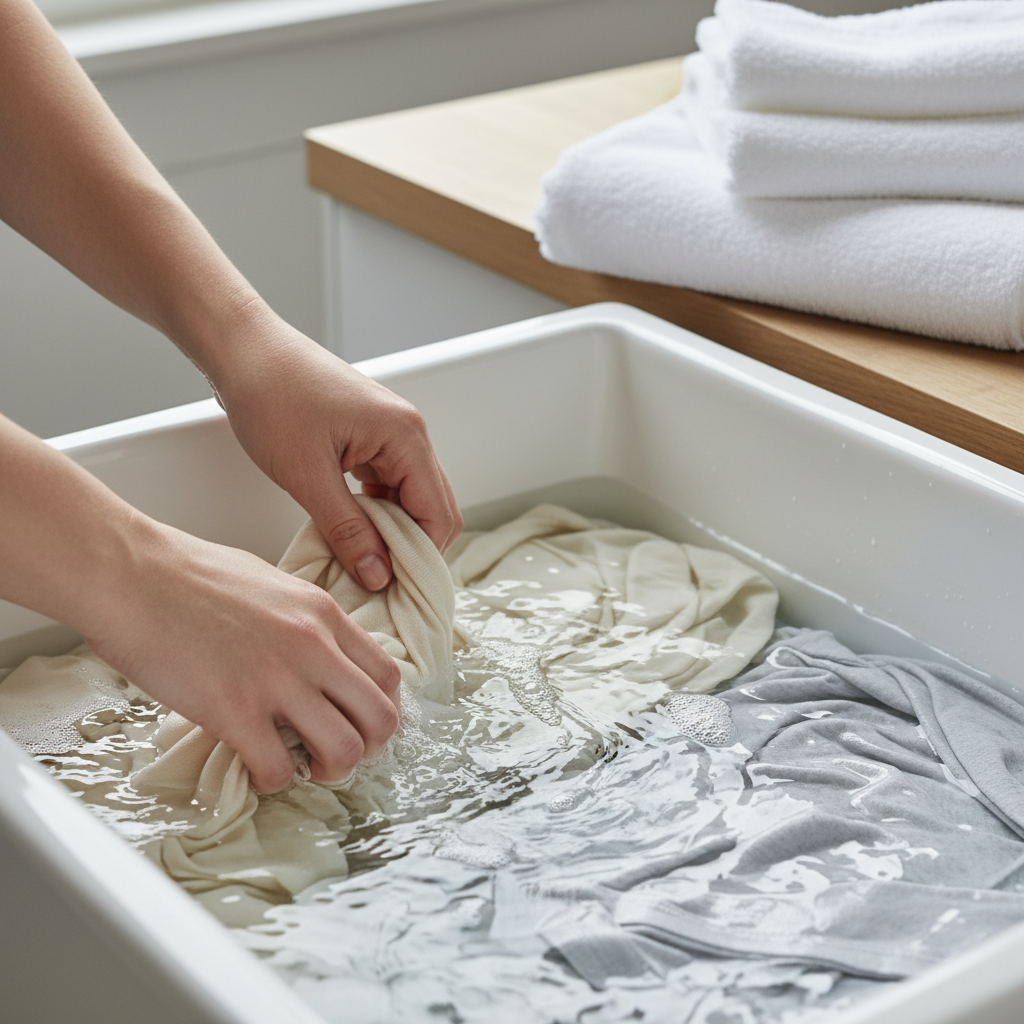
One common misconception: hand washing means scrubbing hard. In reality, most fabrics clean better with time and gentle agitation, not friction. This guide walks you through fabric-by-fabric choices, a practical checklist, and a repeatable method you can use in a sink, tub, or even a hotel bathroom.
When hand washing is the right call (and when it isn’t)
Hand washing shines when the goal is less stress on fibers and more control. It’s especially useful for items that snag, shrink, pill, or lose shape in a standard cycle.
- Often worth hand washing: lingerie, bras, silk, wool, cashmere, lace, beaded items, sweaters, swimsuits, structured knits, vintage pieces.
- Sometimes worth it: activewear, dark denim, graphic tees, items that bleed dye, baby clothes with sensitive-skin detergents.
- Usually not necessary: sturdy cotton towels, everyday cotton tees, sheets, most synthetics that tolerate gentle machine cycles.
There are limits. If a garment is contaminated with bodily fluids, heavy mildew, or unknown chemical exposure, a more intensive cleaning method might be appropriate, and you may want to consult a professional cleaner, especially for expensive pieces.
What you need: a simple setup that avoids common mistakes
You don’t need specialty gear, but the few things you choose matter. The biggest “why does it still smell?” problem is usually too much detergent and not enough rinsing.
Core supplies
- Clean basin: sink, plastic tub, or a dedicated wash bucket.
- Gentle detergent: a mild liquid is easier to dissolve than powder.
- Two towels: one for blotting water out, one as backup.
- Drying setup: drying rack, hangers, or a flat surface for knits.
Nice-to-have items
- Mesh bag: helps protect straps and trims while soaking.
- White cloth: for a quick color-transfer check.
- Soft brush: only for sturdy fabrics and spot areas like collars.
According to the U.S. Environmental Protection Agency (EPA), choosing cold water when possible can reduce energy use; for hand washing, cold or cool water also tends to be gentler on dyes and elastic.
A fabric-friendly method: step-by-step hand washing
This is the repeatable routine. Once you do it a few times, it feels faster than it looks on paper.
1) Read the care label, then choose water temperature
- Cold to cool (best default): dark colors, elastics, delicates, activewear.
- Lukewarm: most cottons, lightly soiled blends.
- Warm: only if the label allows and you’re targeting oily soils.
If you’re unsure, go cooler. Heat can relax fibers, set some stains, and shorten the life of stretch materials.

2) Dissolve detergent before clothing goes in
Fill the basin, add a small amount of detergent, and swirl until it’s fully dispersed. A good rule is “less than you think,” because hand washing uses less water movement to rinse.
- Lightly soiled items: a small squeeze or a few drops for a sinkful
- Medium soil: slightly more, but still conservative
If the water looks overly sudsy, you’ve probably added too much and will spend extra time rinsing.
3) Soak, then gently agitate
Submerge the garment and press it under the water. Let it soak 10–20 minutes for most items. Then use gentle agitation: squeeze and release, swish, or lightly press fabric against itself.
- Avoid aggressive rubbing on wool, silk, and anything with a smooth finish, friction can cause pilling or dullness.
- Targeted spot work belongs on sturdier areas only, like a cotton collar or underarm seam on a tee.
4) Rinse until water runs clear (this is where “clean smell” happens)
Drain the basin, refill with clean water, and press the garment through. Repeat as needed. If you still feel slipperiness, that’s leftover detergent, and it can attract soil and irritate sensitive skin.
For slippery fabrics like silk, a couple of quick rinses often works better than one long rinse, because you’re constantly removing soap instead of redistributing it.
5) Remove water without wringing
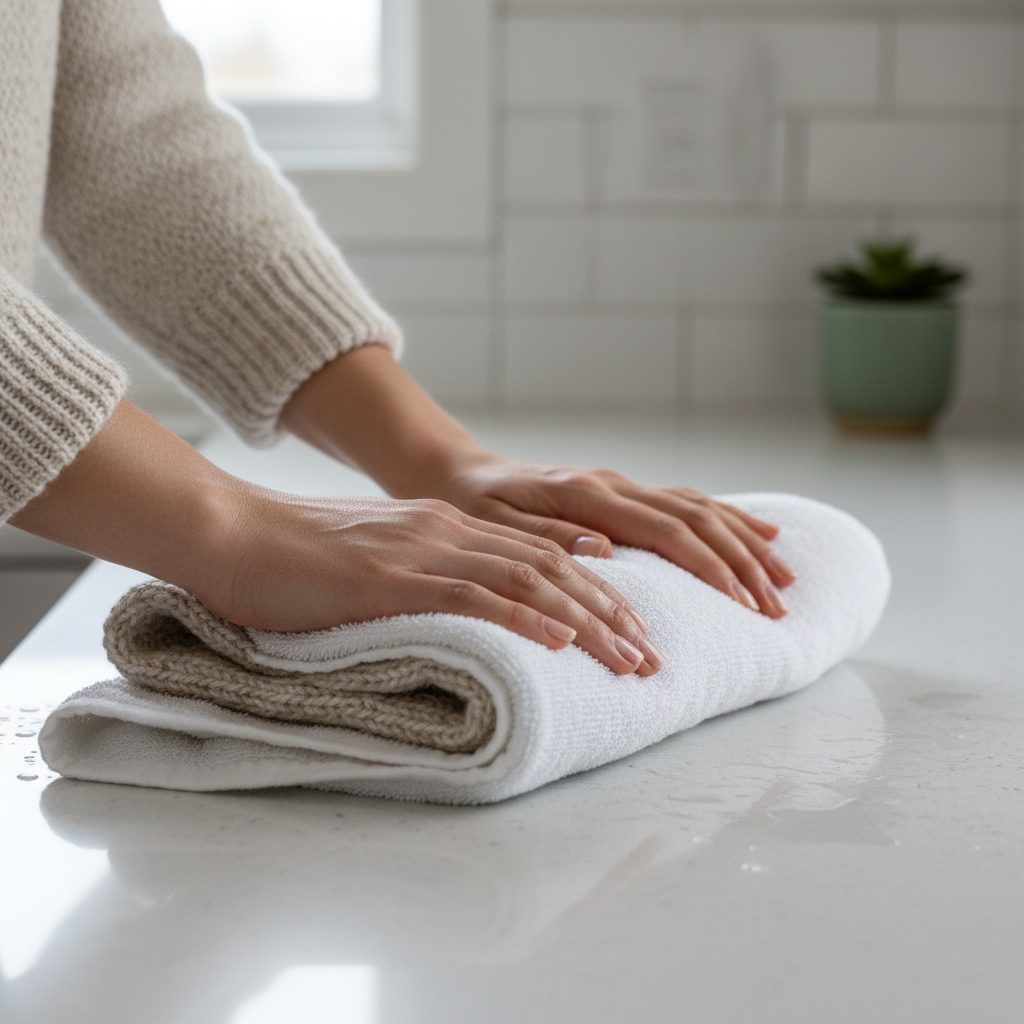
Wringing is the fast path to stretched straps, twisted seams, and misshapen knits. Instead, press water out with your hands, then roll the item in a towel and press.
- Knits and sweaters: press, towel-roll, then reshape and dry flat.
- Bras and swimsuits: press gently, towel-roll, air dry away from heat.
Quick decision checklist: what’s causing your hand-wash problems?
If you’ve tried washing by hand and results disappoint, it’s usually one of these. This list helps you diagnose without overcorrecting.
- Stiff or crunchy fabric: too much detergent or incomplete rinsing.
- Lingering odor in activewear: not enough soak time, detergent buildup, or washing in warm water that “bakes in” oils.
- Colors look dull: water too warm, excessive rubbing, or mixing darks with lights.
- Fabric stretched out: wringing, hanging heavy wet knits, or aggressive agitation.
- White haze or marks: undissolved detergent or minerals in hard water.
If you’re consistently battling hard-water residue, a different detergent formula may help, but results vary by region and product.
Hand washing by garment type: what changes and what stays the same
The core method stays steady, but a few categories benefit from small tweaks. If you’re trying to learn how to wash clothes properly by hand, this is the section that prevents the “why did this warp?” moment.
| Garment type | Water temp | Soak time | Key technique |
|---|---|---|---|
| Wool/cashmere | Cold | 10–15 min | Press and swish, no rubbing, dry flat |
| Silk | Cold | 5–10 min | Minimal agitation, quick rinses |
| Bras/lingerie | Cool | 10–20 min | Support shape, never wring, hang by center gore |
| Activewear | Cool | 15–30 min | Extra rinse, focus on underarms/waistbands |
| Denim (dark) | Cold | 10–20 min | Inside out, minimal agitation, drip dry |
With denim, the goal is often “clean enough” without stripping dye. With lingerie, it’s keeping elastic alive. Different priorities, same gentle fundamentals.
Stains and odors: targeted fixes without wrecking the fabric
Hand washing can remove plenty of everyday grime, but stains usually need a small, focused plan. The mistake is turning the whole wash into a scrubbing session.
Spot-treat before soaking
- Oil or makeup: dab a tiny amount of detergent into the spot, let it sit briefly, then soak.
- Sweat rings: focus on the seam area, gently press detergent through, avoid grinding fabric together.
- Protein stains (blood, dairy): cold water first; warm water can set stains in many cases.
According to the American Cleaning Institute, following the care label and addressing stains early improves outcomes; if you’re not sure what a fabric can tolerate, test any spot treatment on an inside seam.
Odor that “comes back” after drying
This often points to detergent buildup, not a lack of product. Try: longer soak in cool water, less detergent, and an extra rinse. For persistent odor on technical fabrics, some people find specialty sport detergents helpful, though performance varies by brand and fabric finish.
Drying matters more than people think
A lot of hand-wash wins get ruined at the finish line. Drying is where shape, drape, and stretch either stay intact or drift.
- Dry flat: sweaters, knits, anything prone to stretching.
- Hang dry: woven blouses, lightweight cotton, many synthetics.
- Avoid direct heat: radiators, high sun, and hot dryers can stress elastic and fade dyes.
Reshape while damp, especially collars, hems, and shoulder seams. It’s a small step that makes items look “newer” longer.
Common mistakes that waste time (and how to avoid them)
Most hand-wash frustration comes from doing extra work that doesn’t improve cleanliness.
- Using hot water “to be safe”: it can backfire on dyes, elastic, and some stains.
- Over-soaping: more suds often means more residue, not a better clean.
- Scrubbing delicates: friction causes fuzzing, pilling, and distortion.
- Skipping the final rinse: leftover detergent can trap odor and feel itchy.
- Wringing to dry faster: it’s fast, but it can permanently change fit.
Key takeaway: if you remember just one thing about how to wash clothes properly by hand, make it “soak and rinse,” not “scrub and squeeze.”
When to consider professional help
Some items are hand-washable in theory but risky in real life. If you’re dealing with structured garments, heavy embellishment, leather trims, “dry clean only” labels, or sentimental vintage pieces, a reputable cleaner can be the safer choice.
And if a stain involves unknown chemicals or you have skin sensitivities, it may be smart to consult a professional cleaner or a healthcare professional for advice on irritation and exposure concerns.
Practical routine you can follow every time
If you want a no-drama workflow, keep this short sequence handy: cool water, dissolve detergent, soak 10–20 minutes, gentle agitation, rinse until clear, towel-roll, air dry with reshaping. Do that and your success rate climbs quickly.
If you’re washing a small set of delicates weekly, setting up a dedicated basin and using a measured amount of mild detergent can save time and reduce the temptation to overdo it.
Conclusion: a cleaner result with less wear on your clothes
Hand washing isn’t about perfection, it’s about control. When you match water temperature to fabric, keep detergent light, and rinse thoroughly, clothes usually come out cleaner, softer, and more stable in shape.
Pick one “problem item” this week, wash it by hand using the steps above, and take note of what changed: smell, fit, texture, color. That small feedback loop is how you get confident fast.