
Platform shoes trends in 2026 lean less “costume” and more “wearable statement,” with brands pushing lighter soles, cleaner silhouettes, and outfits that look intentional instead of try-hard.
If you’ve been tempted by platforms but worry about comfort, stability, or looking dated, you’re not alone, the wrong pair can feel clunky in photos and even worse after an hour on your feet.
This guide breaks down what’s actually showing up in 2026, what’s fading, and how to pick a platform height and shape that works for your lifestyle, commute, and wardrobe.
What’s driving platform shoes in 2026 (and what’s fading out)
The big shift is practical: people still want height, but they want it without the “heavy shoe” look. Lighter foams, sculpted outsoles, and sneaker-like uppers make platforms feel less formal, more everyday.
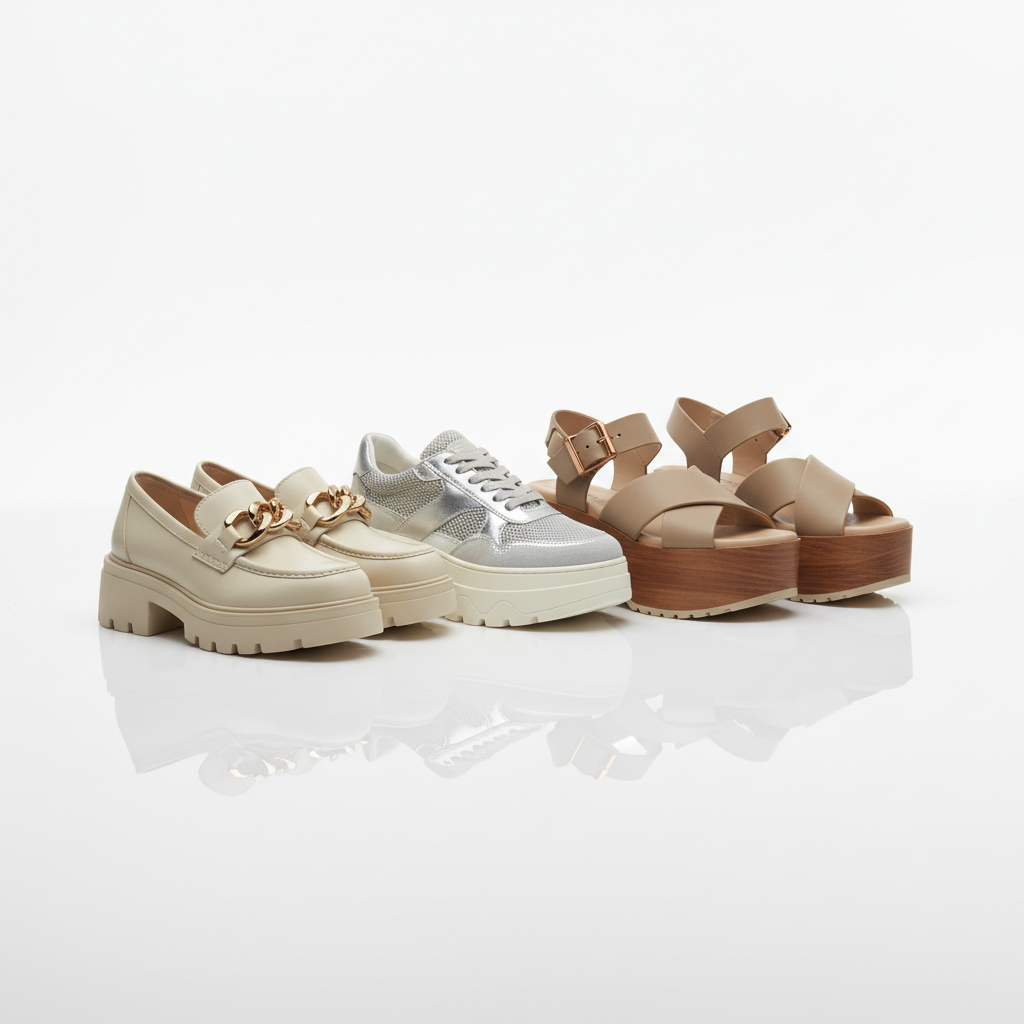
Also, styling has matured. Instead of pairing platforms with only Y2K nostalgia fits, you’ll see them with wide-leg denim, tailored trousers, and simple knit sets, the shoe becomes the “one loud thing,” everything else stays calm.
What tends to fade in many closets: extremely rigid mega-chunky soles with zero flex, and sky-high heel-to-toe drops that look dramatic but can be miserable on sidewalks, stairs, and long days.
- In: lighter-looking soles, streamlined uppers, “day-to-night” pairs
- In: neutral basics plus one bold detail (hardware, color pop, texture)
- Out (for most people): heavy bricks with no traction, ultra-steep pitch
The 2026 platform shoe styles you’ll see most
Not every platform trend suits every wardrobe, so it helps to think in categories instead of chasing one viral shoe.
1) Platform sneakers (everyday height, low drama)
These are the “safe bet” if you want to try the look without committing to a heel. In 2026, the popular versions keep the upper fairly clean and let the midsole do the talking.
- Best for: walking-heavy days, travel, casual office settings (depending on dress code)
- Look for: moderate platform, good forefoot flex, grippy outsole
2) Platform loafers and oxfords (polished, slightly edgy)
Loafers keep showing up because they give height while still reading “structured.” They work especially well with trousers and denim that has some volume.
- Best for: smart casual outfits, city wear, fall-to-spring rotations
- Style note: a chunky sole looks better when the upper is clean and fitted
3) Platform sandals (the warm-weather workhorse)
Expect more comfortable footbeds, wider straps, and platforms that look tall without feeling unstable, especially in wedge-leaning shapes.
- Best for: vacations, summer events, casual weekends
- Look for: secure straps, a stable base, and non-slip tread
4) Platform boots (statement, but more wearable)
Boot platforms are trending in a more refined way: less cartoonish, more “sleek but strong.” Square toes and subtle shine are common.
- Best for: cooler seasons, nights out, outfits that need a strong anchor
- Watch for: shaft stiffness and ankle rubbing, these are common deal-breakers
Quick self-check: which platform trend fits your real life?
Before you buy, get specific about how you’ll wear them. Most “platform regret” comes from buying for a fantasy lifestyle.
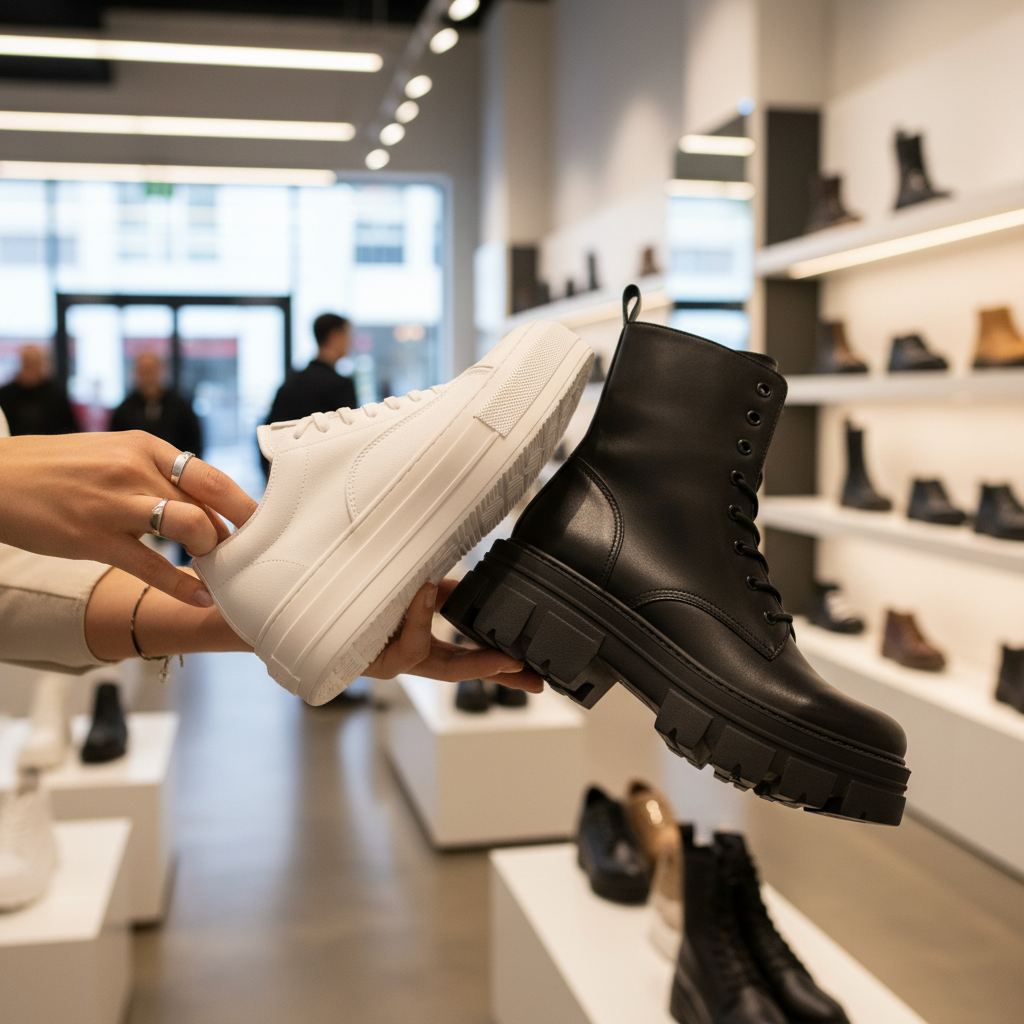
- You walk or commute a lot: start with platform sneakers or low platform loafers, keep height moderate.
- You drive most places: you can go bolder, but check the pedal feel and ankle mobility.
- You stand all day (retail, events, teaching): prioritize cushioning, wider soles, and secure uppers.
- You want “one pair that works with everything”: choose a neutral platform loafer or simple platform sneaker.
- You love dressing up: platform sandals or boots make the biggest impact with the fewest pieces.
If you’re unsure, pick the pair you can wear with at least three outfits you already repeat, not outfits you plan to buy “later.”
How to choose a comfortable platform (height, pitch, and weight)
Comfort is less about the number of inches and more about geometry. Two shoes can be the same height and feel completely different.
According to the American Podiatric Medical Association (APMA)... footwear that supports foot health typically prioritizes fit, stability, and appropriate support, which matters even more when you add height. If you deal with pain or chronic issues, it’s worth consulting a podiatrist or qualified professional for personalized guidance.
A simple fit-and-feel checklist
- Pitch: how steep the foot sits from heel to toe, steep pitch often feels like a heel even if it looks like a platform.
- Base width: a wider platform footprint usually feels more stable.
- Weight: if it feels heavy in-hand, it will feel heavier after 5,000 steps.
- Flex: some bend at the forefoot helps with walking, too stiff can feel like stomping.
- Traction: smooth soles plus height can be risky on wet sidewalks.
Styling platform shoes in 2026 without looking dated
In 2026, the easiest way to make platforms look current is to simplify everything around them. Think “clean lines, intentional proportions.”
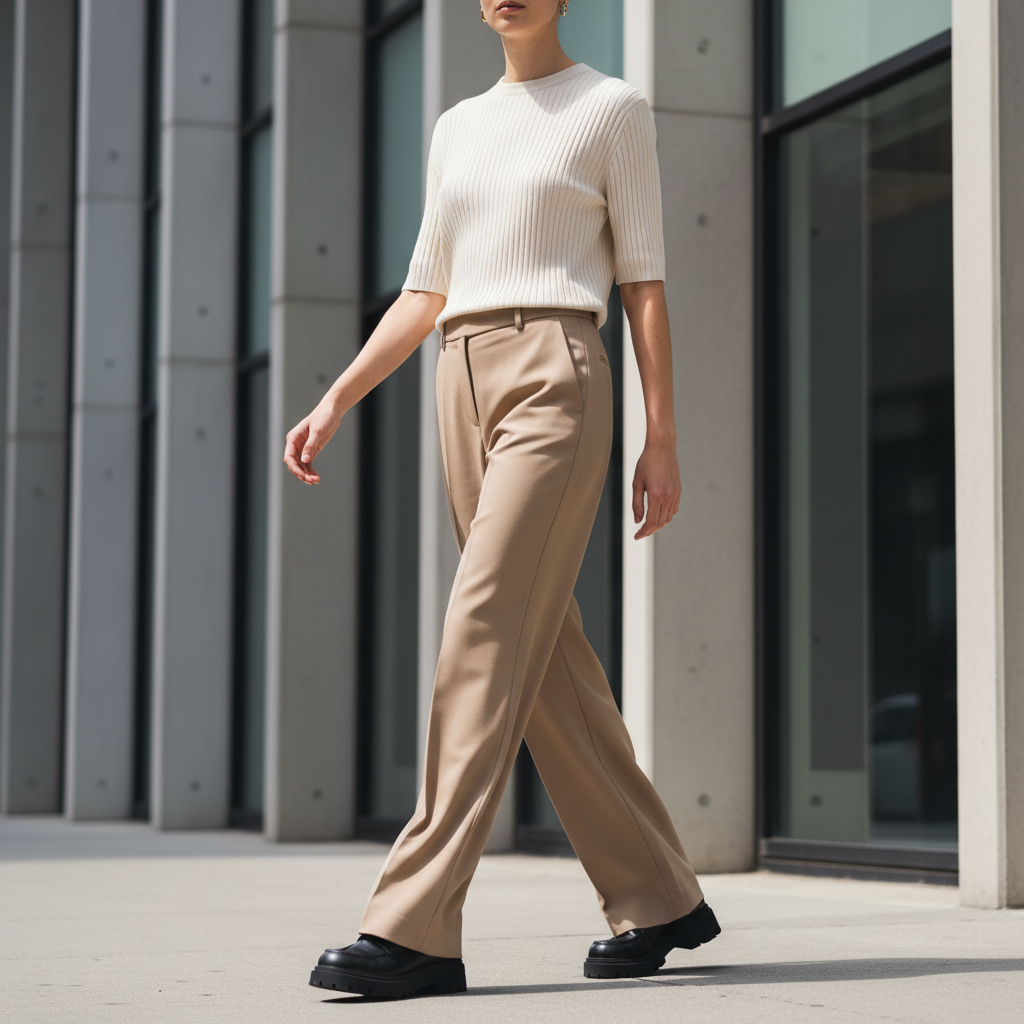
Outfit pairings that tend to work
- Wide-leg denim + platform sneakers: casual, balanced, easy for everyday.
- Tailored trousers + platform loafers: polished, a little edgy, office-friendly in many settings.
- Midi skirt + platform sandals: adds height while keeping the look soft.
- Monochrome set + platform boots: keeps the shoe from overpowering the outfit.
Color and texture rules that keep it modern
- Neutrals still dominate, but one “intentional” texture helps: patent, suede, or a subtle metallic.
- If the sole is chunky, keep the upper simpler, too many details can look busy fast.
Shopping guide: what to prioritize by occasion (table)
Here’s a practical way to match platform shoes trends to where you’ll actually wear them.
| Use case | Best platform type | What to check before buying |
|---|---|---|
| Daily errands, lots of walking | Platform sneakers | Weight, forefoot flex, traction |
| Smart casual, office days | Platform loafers/oxfords | Heel slippage, toe box width, sole stability |
| Summer weekends, travel | Platform sandals | Strap security, footbed comfort, arch feel |
| Nights out, fall/winter outfits | Platform boots | Ankle rub points, shaft stiffness, grip |
Common mistakes (and how to avoid them)
A few missteps show up every year, and they’re usually preventable with a quick reality check.
- Buying too tall too fast: if you’re new to platforms, start moderate and earn your way up.
- Ignoring your usual pants length: platforms change hems, denim that “just worked” may start dragging.
- Skipping the at-home test: walk on tile, carpet, and stairs, if you feel wobbly at home, it won’t improve outside.
- Assuming break-in will fix everything: minor stiffness can improve, pressure points and instability usually won’t.
Action steps: how to try platform shoes trends without wasting money
If you want a simple plan, use a two-pair strategy: one “daily” platform and one “statement” platform. It keeps your wardrobe flexible and stops you from overbuying the same niche shoe.
- Step 1: choose your daily pair based on your most common day, not your best day.
- Step 2: pick a statement pair that still matches at least one outfit you already love.
- Step 3: do a 20-minute indoor wear test, include stairs if you have them.
- Step 4: check return policy timing, then keep tags/packaging until you’re sure.
Key takeaways: 2026 platforms look lighter, style cleaner, and comfort comes down to pitch, base width, and traction more than raw height.
Conclusion: the 2026 platform trend that lasts is the one you’ll wear
Platform shoes trends for 2026 are exciting, but the smartest picks feel believable with your schedule, your streets, and the outfits you repeat. If you do one thing today, measure your comfort tolerance honestly, then shop for shape and stability before you shop for extra inches.
If you’re deciding between two pairs, choose the one you can picture wearing on a normal Tuesday, not just for photos, your future self will thank you.
FAQ
- What are the biggest platform shoes trends for 2026?
Platform sneakers, refined platform loafers, secure platform sandals, and sleeker platform boots show up most, with lighter-looking soles and cleaner uppers. - Are platform shoes still in style in 2026, or are they fading?
They’re still in, but the direction shifts toward wearable, less bulky designs. The exaggerated “brick” look can feel harder to style for everyday. - How do I keep platform shoes from looking too Y2K?
Pair them with simple shapes like wide-leg denim, tailored trousers, or monochrome outfits, and keep the shoe as the main statement. - What platform height is easiest to walk in?
Many people find moderate height easier because the base stays stable, but comfort depends heavily on pitch and outsole grip, not just inches. - Do platform shoes cause foot pain?
They can, especially if the shoe is heavy, stiff, or steep. If you have recurring pain, consider professional advice and prioritize fit and support. - How can I tell if a platform shoe is stable?
Look for a wider base, grippy tread, and minimal side-to-side wobble when you shift weight. A quick stair test at home can reveal a lot. - What socks work best with platform loafers or oxfords?
For a clean look, many go with thin crew socks or no-show socks, but if the shoe rubs, a slightly thicker sock can reduce friction.
If you’re shopping and want a more “no-regrets” approach, build a short try-on list around your real use case, commute, standing time, and typical outfits, then filter by stability and weight before you fall for a colorway.