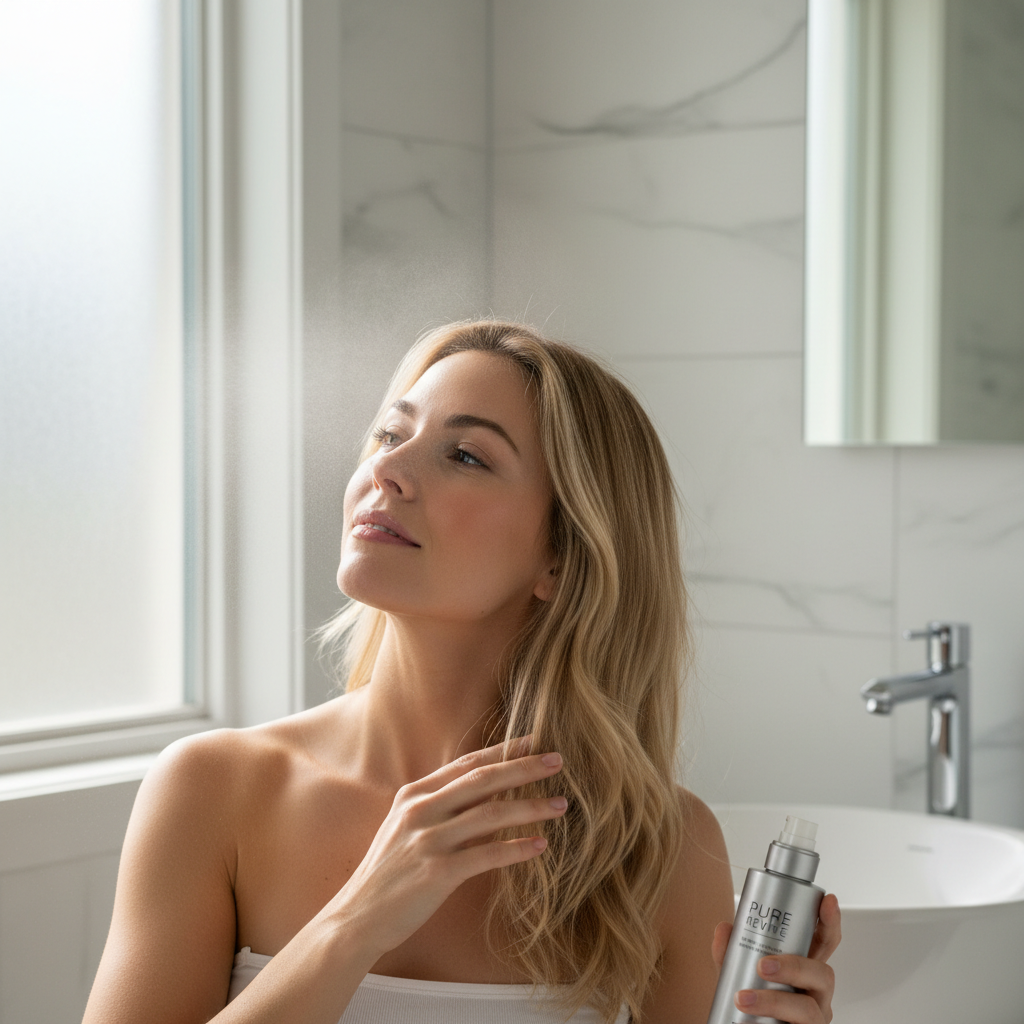
Best dry shampoo for blonde hair usually comes down to one thing: it has to absorb oil without leaving that gray cast or turning your blonde a little dull and dusty. If you have fine hair, highlighted hair, or a scalp that gets oily fast, the “wrong” formula shows up fast under bright bathroom lighting.
This matters more in 2026 than it used to, because many brands now tweak formulas for aerosol safety, fragrance sensitivity, and scalp comfort, so the same old pick might not behave the same way it did a couple years ago. And if you tone your blonde, dry shampoo can quietly work against you by building residue that shifts color.
Below, I’ll walk through what actually separates a great option from an average one for blonde hair, how to pick based on your scalp and your color, and how to use it so it looks clean, not chalky.
What makes dry shampoo work well on blonde hair
Blonde hair is less forgiving with residue because light tones show texture changes, and many blondes also have porous hair from highlights. So the best formulas tend to share a few traits, even across different brands.
- Transparent or “blonde-tinted” finish that doesn’t leave white patches at the part or hairline.
- Oil absorption that doesn’t over-dry, because brittle ends plus dry shampoo buildup is a common spiral.
- Low-residue starch blend so it brushes out clean instead of forming a dull film.
- Scalp-comfort extras like soothing ingredients or lighter fragrance, helpful if you use it often.
One practical point: “no white cast” can mean two different things. Some products are truly clear once worked in, others are lightly tinted beige and look great on warm blondes but can read odd on very cool, icy tones.
Quick self-check: which blonde-hair dry shampoo type fits you?
If you pick based on your real-world situation, you’ll waste fewer cans. Use this as a quick sorting tool.
- Fine blonde hair that collapses at the roots: look for lightweight volume wording and avoid heavy powders.
- Thick hair or extensions: stronger oil absorption matters more, but you’ll need better sectioning during application.
- Platinum, icy, or gray-blended blonde: prioritize truly transparent formulas, or ones that advertise zero residue.
- Honey, beige, bronde, balayage: beige-tinted options can blend nicely at the roots.
- Sensitive scalp or frequent use: go lighter fragrance, and consider non-aerosol powder options.
According to the American Academy of Dermatology (AAD)... if you notice persistent scalp itching, flaking, or irritation, it’s worth dialing back on product buildup and considering a dermatologist’s advice rather than just switching scents.
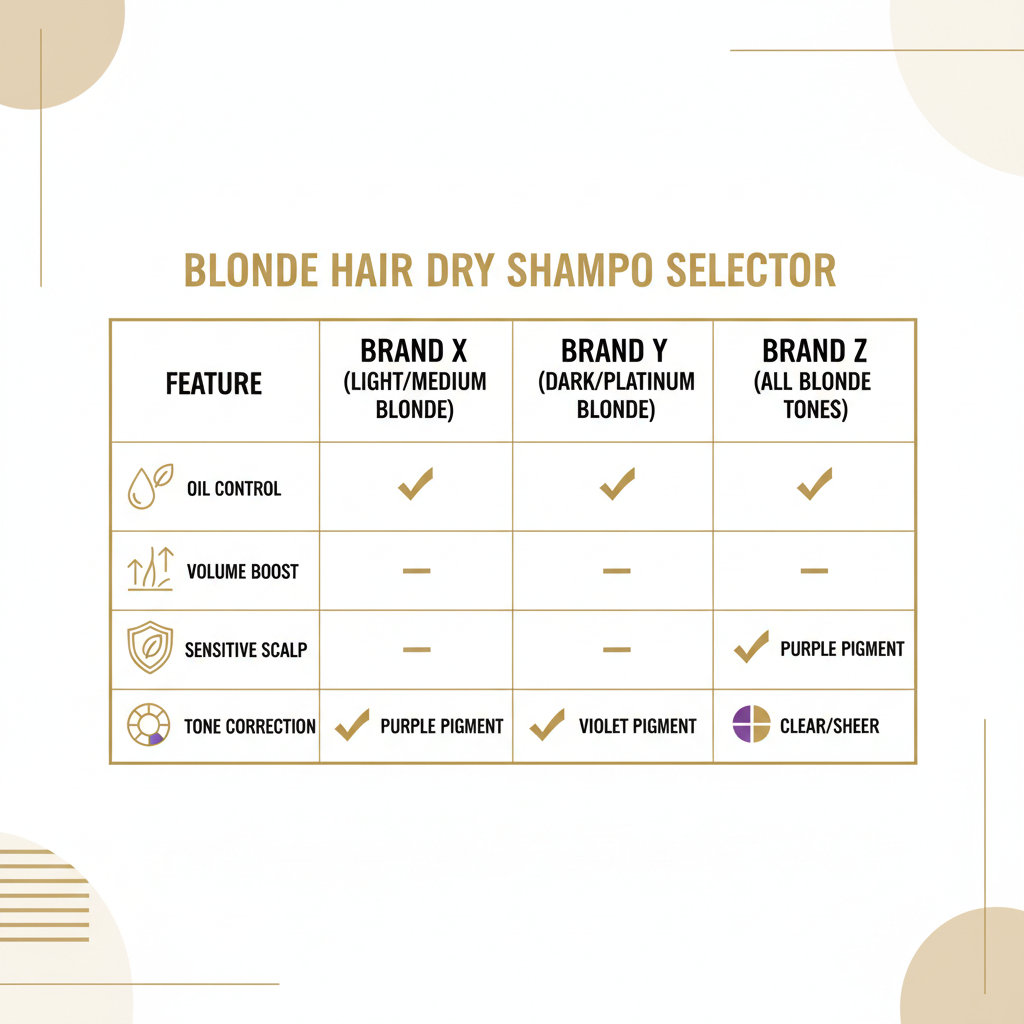
How to choose the best dry shampoo for blonde hair in 2026 (a practical table)
You don’t need a “2026-only” product, but it helps to choose by finish, format, and how much buildup you’re willing to manage. Here’s a simple way to decide.
| Need / scenario | What to look for | What to avoid | Why it matters on blonde hair |
|---|---|---|---|
| White cast shows at the part | “Invisible”, “clear finish”, micro-fine starch | Heavily powdery sprays | Residue is more visible on light hair in direct light |
| Brassy roots between salon visits | Blonde-tinted / beige tint, subtle toning claims | Overly pigmented tinted sprays | Tint can blend regrowth, but too much can look muddy |
| Fine hair needs lift | Volume + oil control, lightweight feel | “Extra strength” that feels gritty | Grit weighs down fine strands and makes blonde look dull |
| Sensitive scalp | Fragrance-light, soothing positioning, non-aerosol option | Strong fragrance, heavy daily layering | Frequent use can irritate the scalp in some people |
| Gym + frequent refresh | Easy brush-out, low buildup, travel-friendly | Sticky or waxy “texturizing” dry shampoos | Layering creates a film that makes blonde look flat |
Ingredients and formats that tend to perform better (and when they don’t)
Most dry shampoos rely on starches to absorb oil. The difference is how fine the particles are, how they’re delivered, and what else is in the formula that changes feel and finish.
Common absorbers you’ll see
- Rice starch: often feels lighter, many people like it on fine blonde hair, though results vary by brand.
- Corn or tapioca starch: can absorb well, but some formulas feel more powdery if overapplied.
- Clays like kaolin: can help oil control, yet may feel gritty on some hair textures.
Aerosol vs. powder
- Aerosol sprays spread fast and are easy for quick mornings, but the “cloud” can leave residue if you spray too close.
- Loose powder or pump gives control and can reduce inhalation of overspray, but it demands careful blending at the roots.
According to the U.S. Food and Drug Administration (FDA)... aerosol products should be used as directed on the label, including ventilation guidance, which is especially relevant if you apply dry shampoo daily in a small bathroom.
How to apply dry shampoo on blonde hair so it looks clean (not chalky)
This is the part many people skip, then blame the product. Application technique matters as much as the formula when you’re chasing the best dry shampoo for blonde hair.
- Start on dry hair. If your roots are damp from sweat, blot first and wait a few minutes.
- Section at the crown and part line. Target the scalp-adjacent roots, not the mid-lengths.
- Hold the can back (many labels suggest several inches). Too close equals white patches and crunch.
- Wait before you touch it. Give it 30–90 seconds to absorb oil, then massage lightly.
- Brush or blow-dry for 10 seconds. A quick cool blast can lift residue off the scalp and add volume.
Small habit that changes everything: apply at night when you can. It has more time to absorb, and in the morning you brush out a cleaner finish.
Mistakes that make blonde hair look dull (even with a “good” dry shampoo)
Dry shampoo is supposed to buy you time, not replace washing forever. Most “this product doesn’t work” complaints come from a couple predictable missteps.
- Layering day after day without a proper cleanse, leading to buildup that grabs toner and makes hair look muted.
- Spraying the surface only, so oil stays at the scalp and the top layer turns dusty.
- Using too much tinted formula, which can darken the root area and make highlights look less bright.
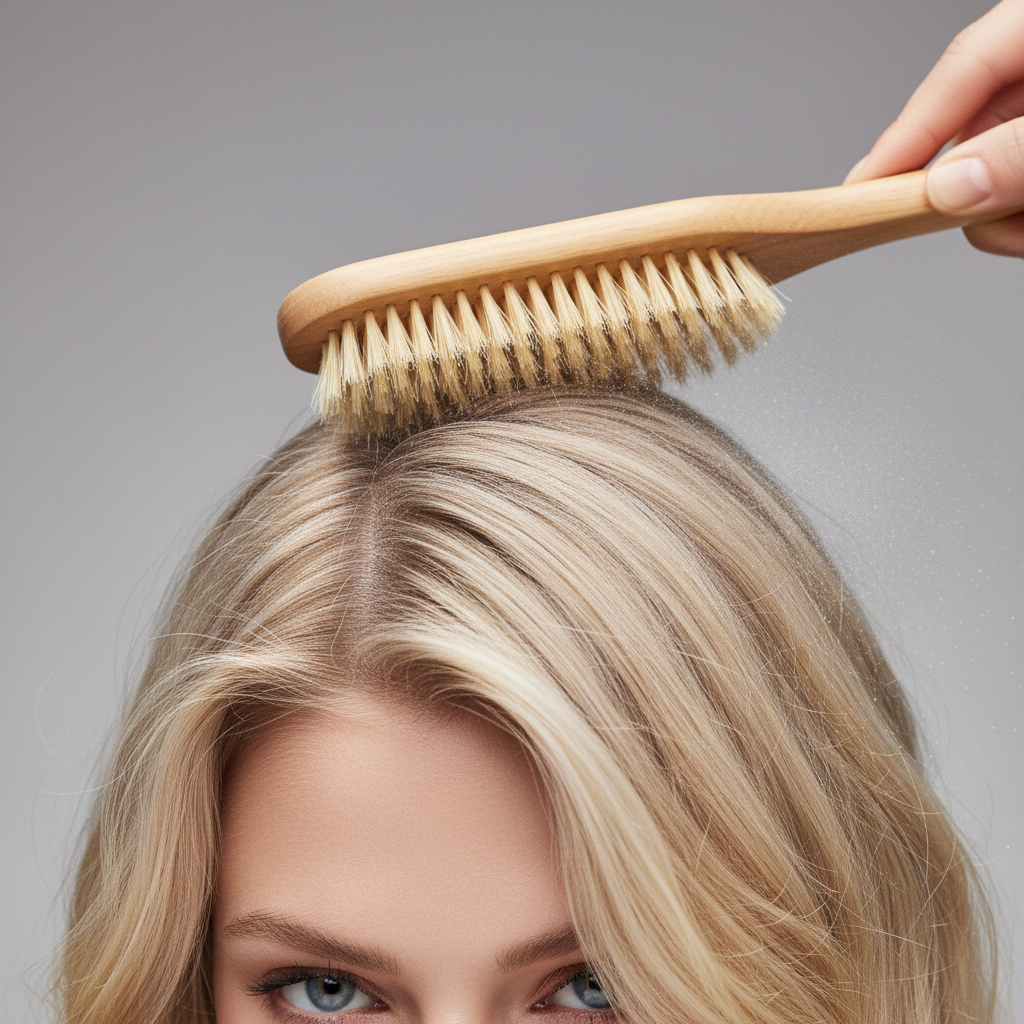
- Ignoring your brush. A dense bristle brush (or even a clean makeup brush at the hairline) can blend residue better than fingers.
If you color your blonde, keep an eye on how your tone shifts between appointments. Product film can make blondes look brassy or flat in photos, even when hair feels “clean enough.”
When you should wash instead (and when to ask a pro)
The best dry shampoo for blonde hair still has limits. If your scalp feels coated, itchy, or you notice more flakes than usual, a wash day often beats more product.
- Wash sooner if you’ve used dry shampoo multiple days in a row, exercised heavily, or your scalp feels tight.
- Clarify occasionally if you use styling products plus dry shampoo, since buildup stacks fast. Frequency depends on hair type and color service, so go cautiously.
- Ask a stylist if your toner fades unusually fast or your blonde keeps going brassy; product residue and water hardness can both play a role.
- Consider a dermatologist for persistent itching, sores, or significant shedding, because those issues might not be product-related.
According to the American Academy of Dermatology (AAD)... scalp health ties closely to hair care habits, and ongoing irritation is a reason to seek medical guidance rather than self-treating indefinitely.
Key takeaways and a simple 2026 shopping checklist
If you want a quick, reliable way to shop this year, focus less on hype words and more on finish, residue, and how you actually use dry shampoo between wash days.
- Choose finish first: invisible for platinum and cool blondes, light beige tint for warmer blondes and bronde.
- Match strength to your scalp: strong absorbers for very oily roots, lighter options for fine hair and frequent use.
- Plan for buildup: if you use it often, build in a gentle reset wash or clarify occasionally.
- Apply like a pro: section, spray from a distance, wait, then brush or blow-dry briefly.
If you’re shopping with one goal in mind, make it this: your hair should look brighter and lifted after application, not matte, dusty, or heavier at the root.
FAQ
What is the best dry shampoo for blonde hair that won’t leave white residue?
Look for products marketed as “invisible” or “clear finish,” and prioritize micro-fine powders. Even good formulas can leave residue if you spray too close or skip brushing, so technique still matters.
Are tinted dry shampoos safe for color-treated blonde hair?
Many are fine for color-treated hair, but results depend on pigment intensity and how porous your hair is. If your blonde is very light, start with a small amount and blend well, because too much tint can read darker at the roots.
Can dry shampoo cause buildup or make blonde hair look brassy?
It can contribute to buildup, and buildup can make blonde look dull, which sometimes gets interpreted as brassiness. If your tone looks off, try washing and clarifying gently before assuming you need more purple products.
How often can I use dry shampoo if I have a sensitive scalp?
Many people can use it occasionally without issues, but sensitive scalps vary a lot. If you notice itching or irritation, reduce frequency, choose fragrance-light options, and consider checking with a dermatologist.
Is powder dry shampoo better than aerosol for blondes?
Powders offer more control and can blend nicely on blonde roots, especially with a fluffy brush. Aerosols are faster and more even for many users, but can leave a visible cast if overapplied.
How do I make dry shampoo look good on thin blonde hair?
Use a lightweight formula, apply only at the roots, and wait before massaging. Finish with a quick brush-through or a short cool blow-dry to lift the crown without building grit.
Should I apply dry shampoo before bed or in the morning?
Night application often looks cleaner because the product has time to absorb oil while you sleep. Morning works too, but you usually need more blending to avoid powdery spots along the part.
If you’re trying to find the best dry shampoo for blonde hair for your specific tone and routine, it can help to narrow choices by finish and scalp needs first, then test application at night for a week; that one change often tells you quickly whether a formula truly fits.