
Men breathable polo shirts are one of the easiest ways to look put-together in summer without feeling like you’re wearing a damp blanket by noon. If your current polos cling, show sweat, or trap heat, the problem usually isn’t “summer” — it’s fabric choice, knit structure, and fit.
The good news is you don’t need a closet overhaul. Once you know what makes a polo breathe, you can buy fewer pieces, wear them more often, and stay comfortable from the commute to weekend plans.
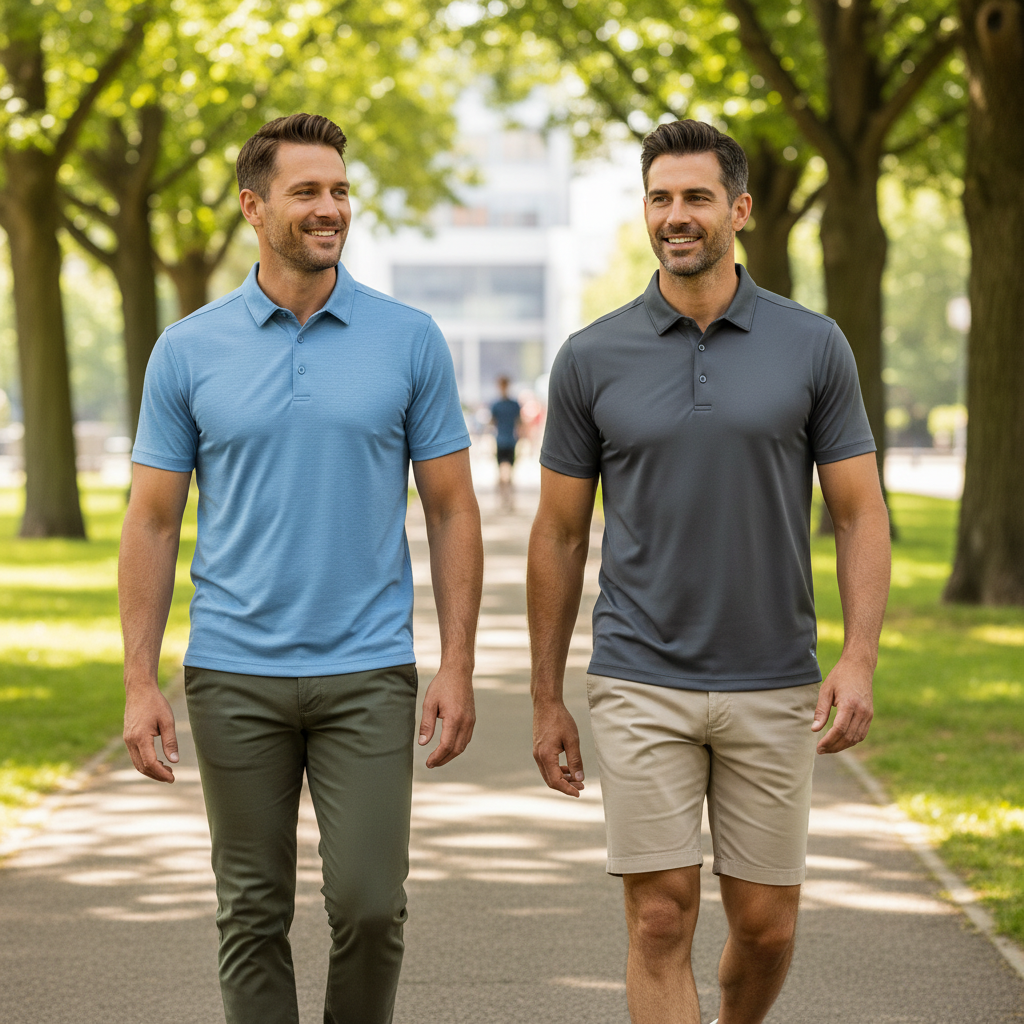
One quick misconception: “100% cotton” is not automatically breathable in real life. Cotton can feel airy at first, then hold moisture and dry slowly, which is why some people feel hotter as the day goes on. A better approach is to match fabric and construction to your actual summer routine.
What “breathable” really means in a polo
Breathability is basically two things working together: airflow (heat escapes) and moisture management (sweat moves off your skin and evaporates). A polo can be “lightweight” but still sticky if it holds moisture, and a polo can be “technical” but still hot if it’s tightly knit with no airflow.
According to Centers for Disease Control and Prevention (CDC) guidance on hot weather, wearing lightweight, loose-fitting clothing can help your body cool more effectively. A breathable polo is a practical version of that idea, with a collar and cleaner silhouette.
Why polos feel hot: common causes in real summer wear
If a polo feels like it’s trapping heat, it’s usually one of these patterns.
- Too-tight fit through chest or stomach, fabric sits on skin and blocks airflow, then sweat has nowhere to go.
- Dense pique knit that looks classic but can run heavy, especially in darker colors.
- Wrong fiber for your sweat level, some cotton polos get heavy fast, while some poly blends can feel humid if the finish isn’t designed to wick.
- Collar and placket bulk, layered fabric right at the neck can be uncomfortable in heat, even when the body fabric is fine.
- Color and sun exposure, dark shades absorb more heat; if you’re outdoors, fabric choice matters more than branding.
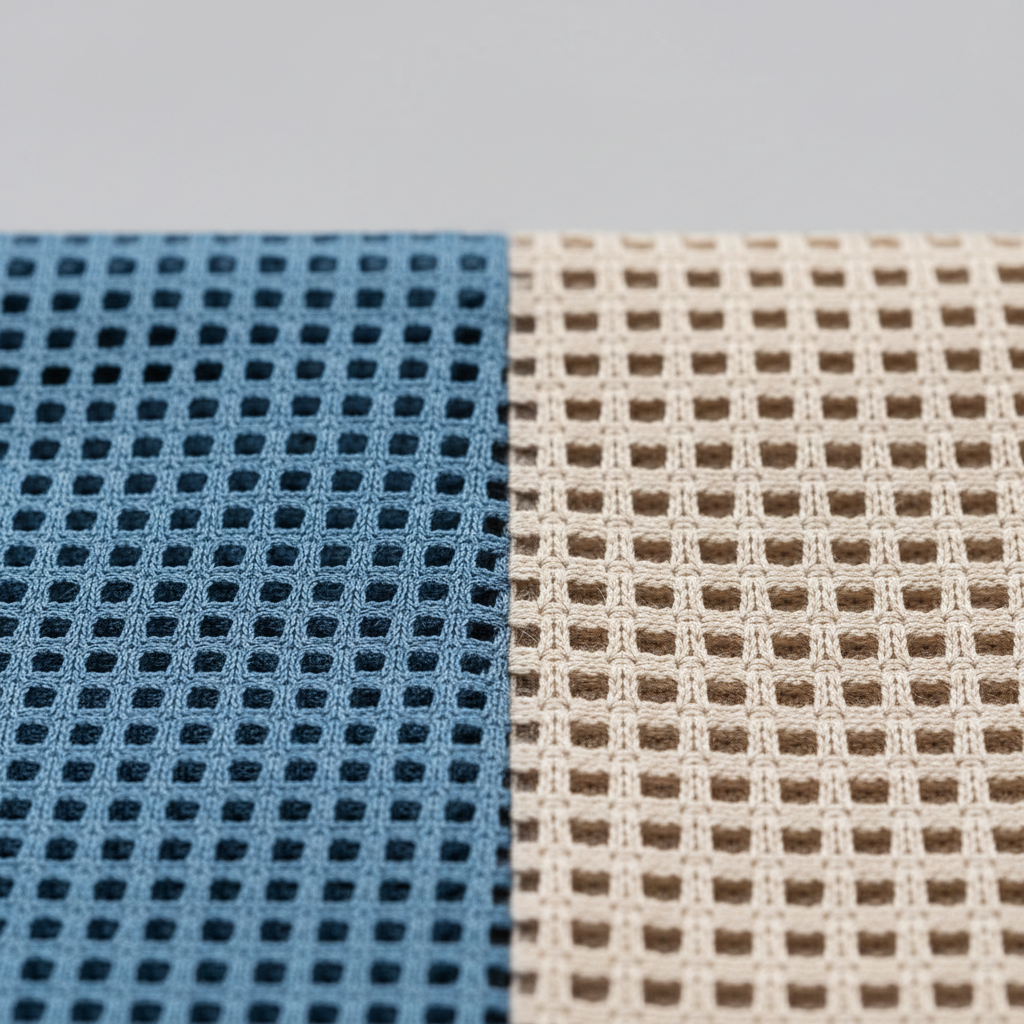
A small but telling clue: if you feel relief the moment you step into air conditioning and the shirt stays damp, you’re dealing with moisture retention more than “too much fabric.”
Fabric and knit guide: what to look for (and what to be skeptical about)
Labels can be vague, so focus on the combination of fiber + knit + finish. Here’s a practical cheat sheet for shopping men breathable polo shirts.
| Material / Build | How it feels in heat | Best for | Watch-outs |
|---|---|---|---|
| Lightweight cotton pique | Airier at first, can hold moisture | Casual days, lower sweat levels | May get heavy and show sweat |
| Cotton-modal or cotton-bamboo blends | Soft, drapes well, often cooler than thick cotton | Office casual, comfort-first | Varies by brand; can stretch out |
| Polyester performance knit (wicking) | Moves sweat, dries faster | Commutes, travel, golf-style wear | Some versions hold odor; check care + finish |
| Nylon blends | Smooth, often cooler-to-touch, durable | Hot/humid climates, frequent wear | Can feel slick; fit matters |
| Mesh or micro-mesh panels | High airflow | Outdoor events, walking-heavy days | Can look too sporty in formal settings |
Key takeaway: if you sweat a lot, prioritize “wicking” and “quick-dry” plus a lighter knit. If you sweat less but hate feeling clammy, a softer blend with a looser drape can be the better pick.
Quick self-check: which breathable polo type fits your summer?
Before you buy, be honest about where the shirt will live: office, patio, subway platform, or a car with the AC blasting only after 10 minutes.
- You run hot and sweat early: look for performance knits, micro-mesh, quick-dry finishes, and slightly roomier fit.
- You want “normal polo” vibes, just cooler: choose lightweight pique or a cotton-blend with a softer hand and less thickness.
- You travel or pack light: wrinkle-resistant performance polos that dry overnight make life easier.
- You’re outside a lot (sun + humidity): lighter colors, mesh structure, and faster-drying fibers matter more than softness.
- You hate synthetic feel: try blended fabrics (cotton + modal, cotton + small % synthetic) rather than going full performance.
How to shop men breathable polo shirts (without overthinking it)
In-store or online, you can narrow choices fast with a few checks that actually translate to comfort.
1) Check the knit density
Hold the fabric up to light. You’re not trying to see through it, just looking for a knit that isn’t overly tight. More visible texture often equals better airflow.
2) Choose fit for airflow, not just “slim”
A breathable fabric still loses to a tight chest and clingy midsection. Aim for a fit that skims your body, with enough room that the shirt doesn’t plaster when you sweat.
- Shoulder seam roughly at the shoulder edge
- Two fingers of ease at chest and waist (not a rule, just a helpful feel test)
- Sleeves that don’t pinch when you raise your arms
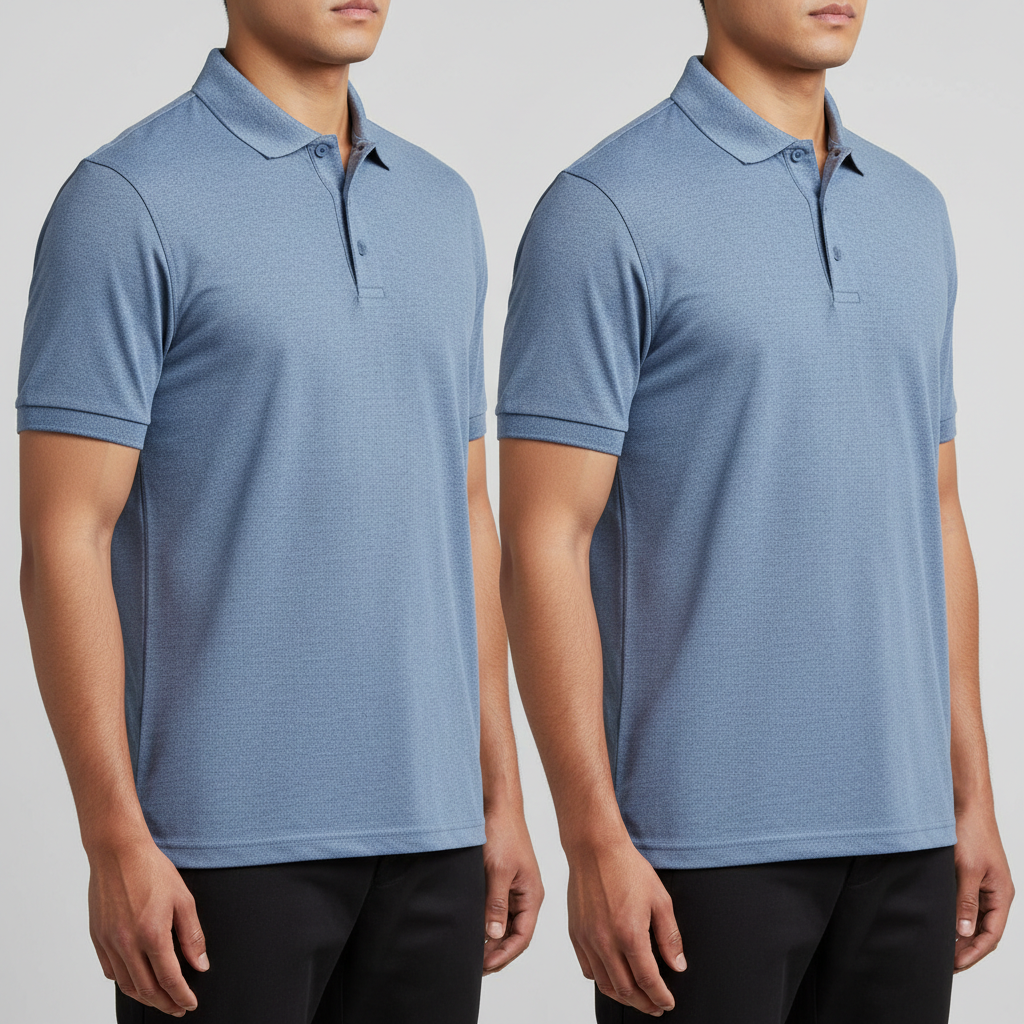
Small detail, big payoff: a slightly shorter sleeve with a clean opening can feel cooler than a longer, tighter sleeve that traps heat on your biceps.
3) Read the product page like a skeptic
Words like “breathable” and “cooling” are often marketing, so look for specifics: mesh knit, moisture-wicking, quick-dry, vented back, or fabric weight. If none of that appears, you’re guessing.
Practical styling tips that keep you cooler
Breathability isn’t only fabric. Styling choices can keep heat from building up around your neck and torso.
- Pick lighter colors for outdoor days; indoors, you have more freedom.
- Skip heavy undershirts in high humidity, or use a lightweight moisture-wicking undershirt if you need sweat control.
- Choose shorts or lightweight chinos so your whole outfit breathes, not just the top.
- Keep the collar relaxed; buttoning to the top can look sharp but often feels hotter fast.
If you want one simple outfit formula: breathable polo + airy pants + low-profile sneakers or loafers, it reads “clean” without trying too hard.
Care tips: keep breathability and reduce odor over time
Many men breathable polo shirts fail after a few washes, not because the fabric is bad, but because residue builds up and blocks wicking.
- Don’t overdo detergent; too much can leave film that reduces moisture movement.
- Avoid heavy fabric softener; it can coat fibers and make performance fabrics feel less effective.
- Wash promptly after sweaty wear, leaving it in a gym bag overnight tends to lock in odor.
- Air dry when possible; high heat can shorten the life of elastic fibers in blends.
According to Federal Trade Commission (FTC) guidance on clothing care labels, following the manufacturer’s instructions helps preserve fabric performance and appearance. That sounds obvious, but with polos, it’s often the difference between “still crisp” and “why does this feel sticky now?”
Conclusion: a cooler polo is usually a smarter build, not a louder logo
Men breathable polo shirts work best when you match the fabric and knit to how you actually spend summer days, then choose a fit that lets air move. If you sweat more, lean into wicking and quick-dry. If you just want to feel less weighed down, lighter blends and less dense knits often deliver.
If you only do two things this week, make it these: check knit density before you buy, and stop sizing so tight that airflow disappears. Your summer self will notice.
FAQ
What fabric is best for men breathable polo shirts in humid weather?
In humidity, fast-drying performance knits and some nylon blends tend to feel more comfortable because they move moisture and dry quicker. Cotton can still work, but many people find it stays damp longer.
Are 100% cotton polos breathable enough for summer?
Sometimes, yes, especially in dry heat or low-sweat situations. In many everyday summer routines, cotton breathes but can hold sweat, so it may feel heavier later in the day.
Do “moisture-wicking” polos actually help with sweat?
They can, but it depends on the knit and finish. Wicking helps move moisture across the fabric so it evaporates, but a too-tight fit or dense construction can still feel hot.
How should a breathable polo fit if I want it to feel cooler?
Look for a skim fit rather than a tight one: room at chest and waist, sleeves that don’t squeeze, and enough length to move without pulling. Airflow is part of the cooling effect.
Why do some performance polos start to smell after a few wears?
Some synthetics hold onto odor compounds more than natural fibers, especially if sweat sits too long before washing or if softener residue builds up. Washing promptly and skipping heavy softeners often helps.
Can I wear breathable polos to a business-casual office?
Usually, yes, if the fabric doesn’t look overly shiny or sporty and the collar holds its shape. Solid colors and minimal logos tend to read more office-friendly.
What’s the easiest way to tell if a polo will be breathable online?
Look for concrete details: mesh knit, venting, fabric weight, “quick-dry,” and close-up fabric photos. If a listing only says “breathable” with no specifics, it’s a gamble.
If you’re shopping for a summer refresh and want a simpler shortlist, focus on one “everyday breathable polo” and one “sweatier-day performance polo,” then rotate them with the right care so they keep feeling cool instead of turning sticky after a month.