
Best leather conditioner for bags comes down to one thing most people miss, matching the formula to your bag’s leather type and finish so you condition without darkening, clogging pores, or leaving a sticky feel.
If you have a favorite bag, you already know the pain, leather can look tired fast from hand oils, dry air, rain spots, and friction at corners. Conditioning helps, but the wrong product or technique can make things worse, especially on light colors or coated designer leathers.
This guide breaks down what to look for in a conditioner in 2026, how to choose by leather category, and a practical routine you can actually follow. I’ll also point out the common “quick fixes” that often cause the most regret later.
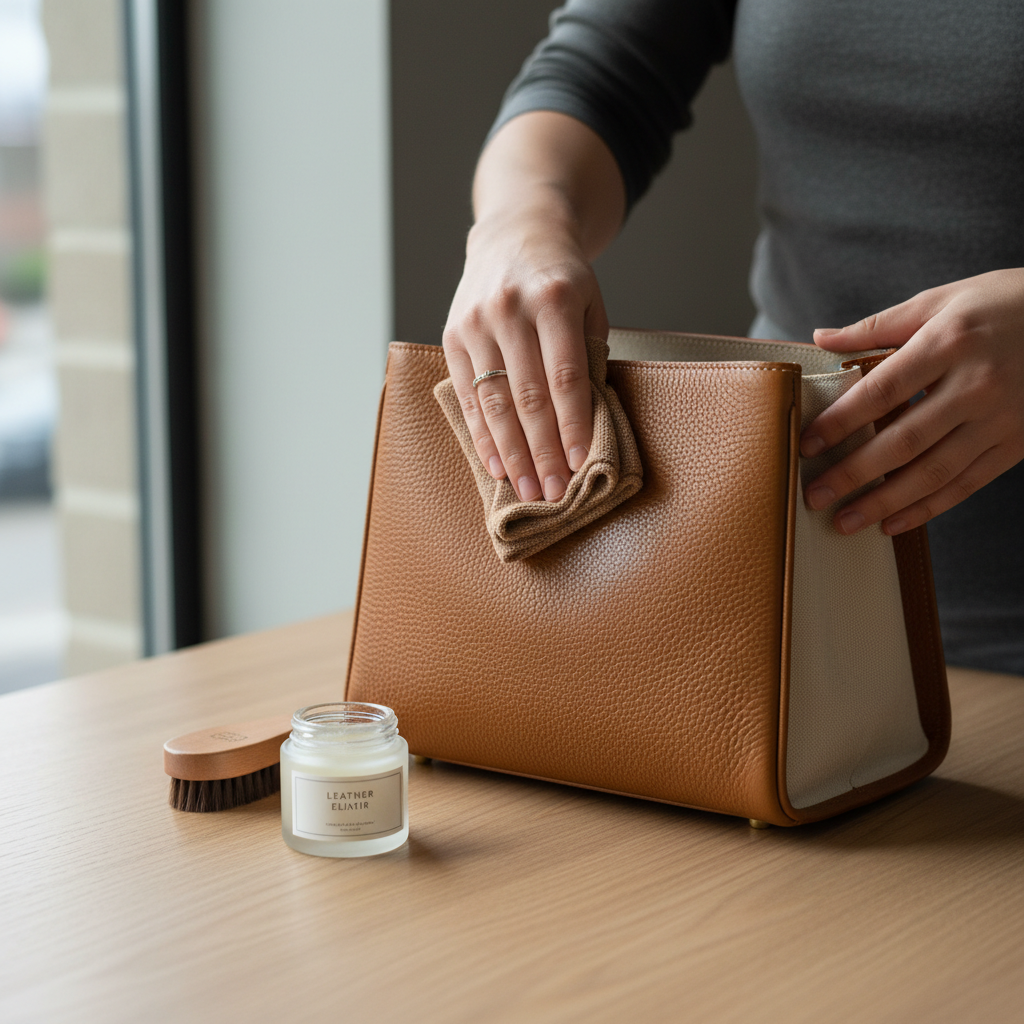
What a leather conditioner should do for bags (and what it should not)
A good conditioner for bags should restore flexibility, reduce the “dry paper” feel, and add a light protective boost without turning the surface greasy. For handbags, you also want something that behaves well on high-touch areas like handles and straps.
What it should not do, leave residue that transfers to clothing, create a glossy plastic shine, or make the leather noticeably darker when you never wanted patina.
- Softening: helps prevent cracking on bends and corners.
- Moisture balance: reduces that brittle dryness without saturating the fibers.
- Surface feel: should finish clean, not tacky.
- Color impact: ideally minimal, but many products darken some leathers.
According to the Leather Conservation Centre (UK), leather care should be cautious and minimal, with spot testing and avoiding over-application, which lines up with what bag owners see in real life, the “more is better” approach often backfires.
Pick by leather type: the easiest way to get this right
Most “bad conditioner” stories are really “wrong match” stories. Before you shop, try to categorize your bag. If you’re unsure, treat it as delicate and test first.
Full-grain / top-grain (aniline or semi-aniline)
This is the classic, absorbent leather that can show natural pores and marks. It usually likes a lighter conditioner that sinks in without leaving a film. Heavy waxes can look patchy here.
- Look for: lightweight lotions, balanced oils, low-wax formulas
- Avoid: thick paste wax unless you want a more rustic look
Chrome-tanned pebbled leather (common on everyday bags)
Often more forgiving, but still easy to overdo. A mid-weight conditioner works well, and you can focus on handles and corners.
- Look for: non-greasy creams, quick-absorbing conditioners
- Avoid: products that stay slick for hours
Coated / finished leather (many designer and saffiano-style leathers)
These leathers have a protective coating. Conditioning won’t “soak in” much, so your goal is mostly cleaning and keeping the surface from drying at stress points.
- Look for: conditioner-safe cleaner + very light conditioning step
- Avoid: oil-heavy products that smear or haze the finish
Suede and nubuck
Most conditioners are a no-go because they mat the nap and create dark blotches. Use suede-specific protectants and brushes instead.
- Look for: suede/nubuck protector sprays, crepe brush
- Avoid: oils, creams, “universal leather balm” claims
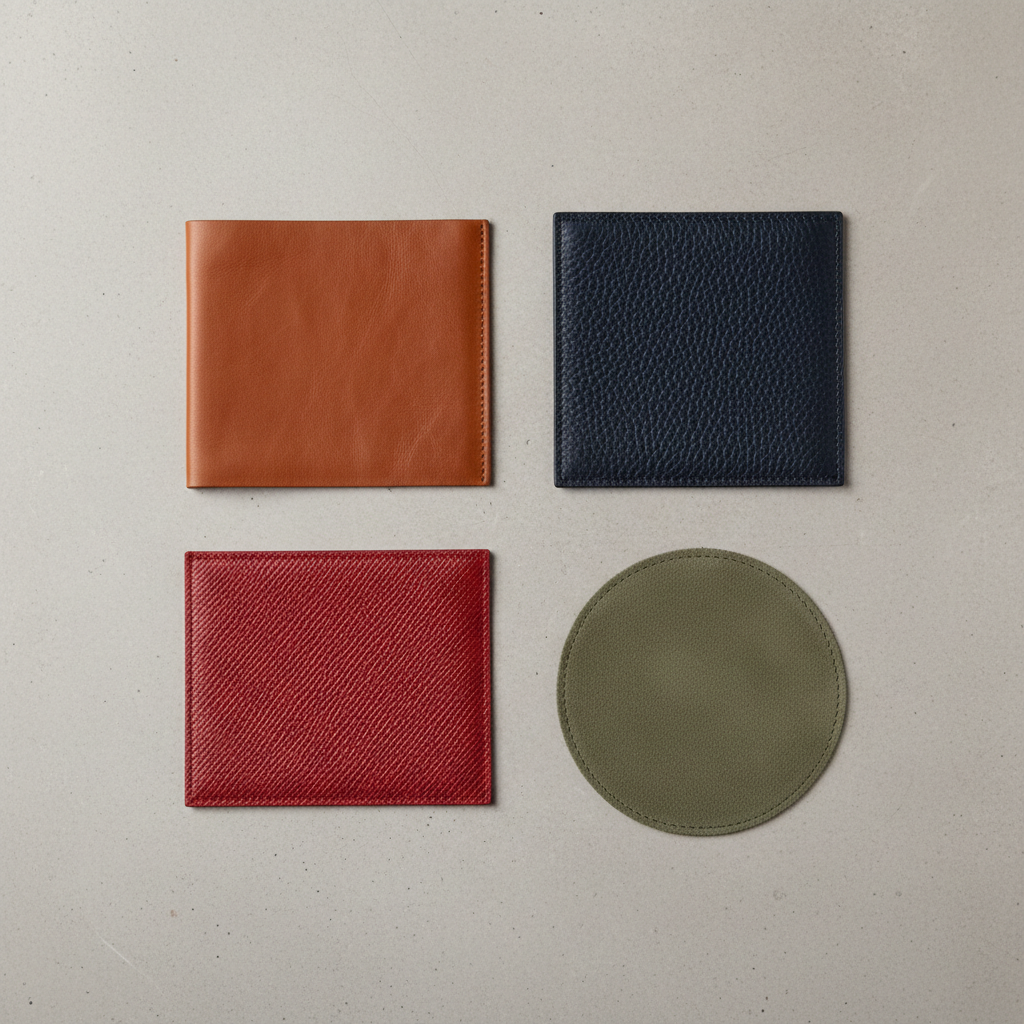
Quick decision table: best conditioner “type” by bag situation
You don’t need a single magic product, you need a sensible match. Use this table to choose a conditioner category, then shortlist actual products within that category.
| Bag situation | Conditioner type to consider | Why it fits | Watch-outs |
|---|---|---|---|
| Everyday pebbled leather tote | Mid-weight cream, low residue | Balances softness and clean finish | Overuse can attract dust on handles |
| Light-colored smooth leather bag | Light lotion, minimal darkening | Lower risk of color shift | Always spot test for yellowing |
| Coated/saffiano-style crossbody | Gentle cleaner + very light conditioner | Coating limits absorption | Oil-heavy balms can smear/haze |
| Vintage, very dry leather | Penetrating conditioner in thin layers | Gradual rehydration reduces cracking risk | Too much at once can weaken structure |
| Suede/nubuck bag | Suede protector spray (not conditioner) | Protects without flattening nap | Creams/oils can permanently spot |
How to test first (a small step that saves expensive mistakes)
Before you commit to the “best leather conditioner for bags” you found online, test like you actually want this bag to look the same next week. That means checking color change, feel, and any surface haze.
- Where: inside a gusset, under a flap, or the underside of a strap
- How much: a pea-sized amount on a clean cloth
- What to observe: darkening, streaking, tackiness, shine shift
- Wait: at least a few hours, overnight is safer for light leather
According to the Smithsonian Museum Conservation Institute, testing conservation treatments in an inconspicuous area is standard practice to reduce the risk of unintended change, the same mindset applies to leather goods at home.
Step-by-step: conditioning a bag without overdoing it
This is the routine that tends to work across brands, including bags that only “need a little help.” Keep it calm and controlled, leather responds better to light layers than to a single heavy coat.
1) Clean first, but keep it gentle
If you condition over grime, you can grind dirt into the grain and seal it in. Use a leather-safe cleaner or a slightly damp microfiber cloth for light soil, then let the bag air dry away from sun and heat vents.
2) Apply in thin layers
Put conditioner on the cloth, not directly on the bag, then work in small sections. Focus on handles, strap bends, corners, and piping, those areas dry out first.
- Use light pressure, slow circles or straight passes both work
- Stop when the surface looks evenly “fed,” not wet
- If your cloth drags, you may be using too much product
3) Let it settle, then buff
Most products need time to absorb. After the recommended dwell time on the label, buff with a clean cloth until the feel turns dry and smooth. If it still feels slick, buff longer, or you applied more than the leather can take.
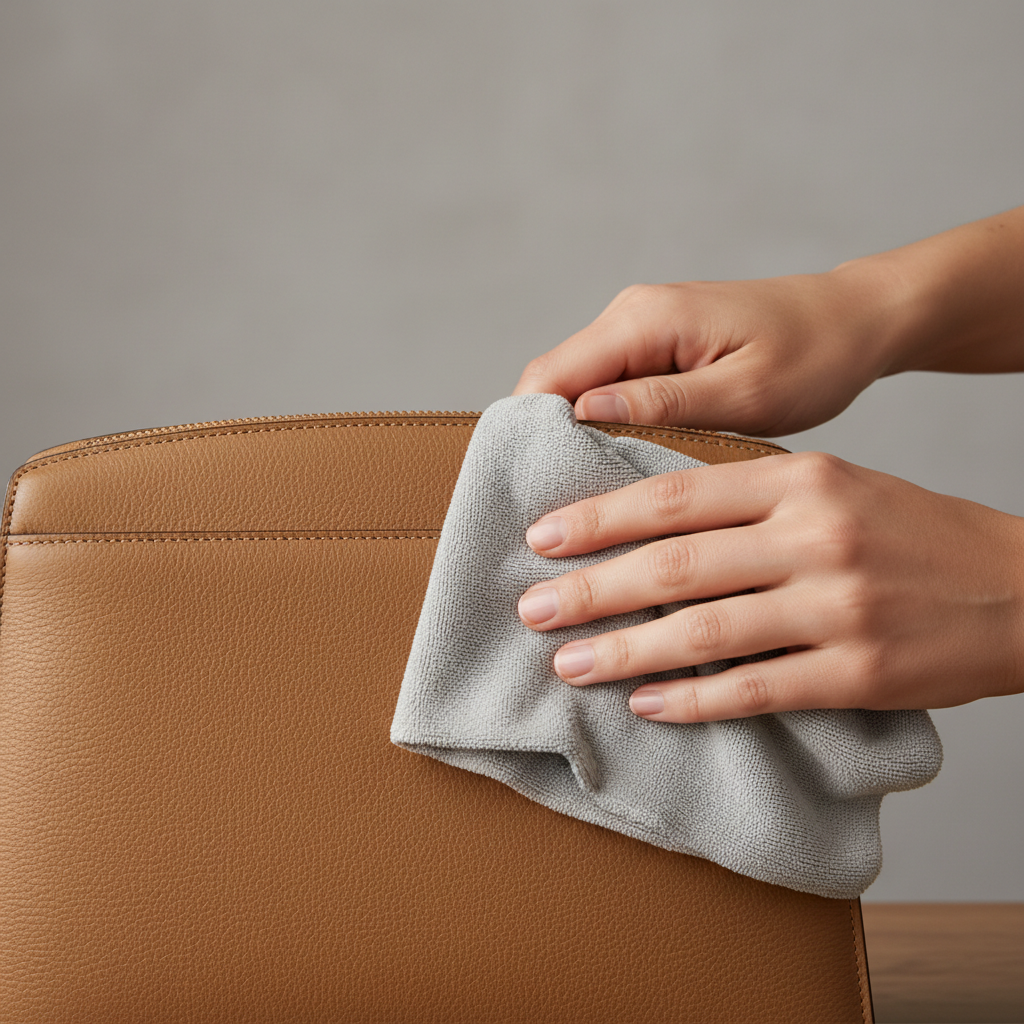
4) Set a realistic schedule
Most bags do not need monthly conditioning. Many people get better results doing it a few times per year, and spot-treating high-wear areas in between. Dry climates, heavy daily use, and frequent hand sanitizer contact can push you toward more frequent care.
- Typical: every 3–6 months for daily bags
- Dry climate or winter heating: check feel every 6–8 weeks
- Special occasion bag: 1–2 times per year is often enough
Common mistakes that ruin results (even with a “good” product)
Even the best leather conditioner for bags can disappoint if the process goes sideways. These are the patterns that show up again and again.
- Skipping the test spot: light leather darkens, then you try to “fix” it, and it gets worse.
- Using oils from the kitchen: they can oxidize and smell off over time, plus they often stain unpredictably.
- Over-conditioning coated leather: the product sits on top and attracts lint, then looks cloudy.
- Heat drying: hair dryers and radiators can pull moisture out fast and increase stiffness.
- Trying to erase scratches with heavy balm: you may hide a mark but create a darker patch that catches the eye more.
One more thing people hate hearing, but it’s true, some wear is normal. Bags are handled, rubbed, bumped, and carried in weather. The goal is a cared-for look, not a factory reset.
When to use a pro (and when to pause and do nothing)
There’s a point where home conditioning stops being “maintenance” and starts being “intervention.” If you see any of the following, consider a leather repair shop, cobbler experienced with handbags, or a brand’s recommended service channel.
- Dye transfer and major color loss: needs recoloring more than conditioning.
- Sticky finish or peeling coating: conditioners can worsen delamination.
- Water damage with hard tide marks: requires controlled cleaning to avoid rings.
- Mold or mildew smell: handle carefully, ventilation helps, but remediation may require professional cleaning; if you have health concerns, it’s reasonable to consult a professional.
- Cracking at folds: conditioning may help slow it, but structural repair might be needed.
If you’re unsure what leather you have or you suspect a special finish, pausing is often the smarter move than experimenting. You can always condition later, but reversing a blotchy dark patch is hard.
Key takeaways (so you can choose quickly)
- Match formula to leather type, especially coated leather vs absorbent aniline.
- Test first on a hidden area, wait long enough to see darkening.
- Thin layers beat heavy coats, buff until the surface feels clean.
- Condition less often than you think, most bags do fine with seasonal care.
If you want one practical next step, identify your leather type, then pick a conditioner category from the table and do a careful spot test. That’s usually how you end up with a bag that looks better, not “different.”
FAQ
What is the best leather conditioner for bags that won’t darken leather?
No product can promise zero darkening across all leathers, because absorbency varies. In many cases, a lighter lotion-style conditioner changes color less than oil-heavy balms, but your test spot tells the truth.
Can I use shoe leather conditioner on a handbag?
Sometimes, but many shoe products are designed for tougher finishes and may add more wax or shine than you want on a bag. If you try it, use a small test area and focus on feel and residue, not just appearance.
How often should I condition a leather purse?
For a frequently used bag, every 3–6 months is a reasonable starting point, then adjust based on dryness at handles and corners. If the leather still feels supple and looks even, you can usually wait.
Is coconut oil or olive oil safe for conditioning bags?
It’s risky. Household oils can stain unevenly, go rancid, or oxidize in ways that change color and odor. A bag-specific conditioner is typically more predictable for long-term use.
What should I do if conditioner made my bag sticky?
Buff with a clean cloth longer than you think you need, then let it rest in a cool, dry room. If it stays tacky, you may need a gentle cleaner compatible with that leather finish, and if the bag has a coated surface, a professional may be the safer option.
Can I condition faux leather (PU) bags the same way?
Usually no. Faux leather doesn’t absorb conditioners like real leather, so products can sit on top and smear. Cleaning and protecting the surface tends to matter more than “conditioning.”
Do I need a separate leather protector spray after conditioning?
Sometimes. Some conditioners include light protection, but rain and dye transfer resistance often comes from a dedicated protector. For suede and nubuck, a protector spray is more appropriate than cream conditioner.
If you’re trying to pick a best leather conditioner for bags without buying five bottles, it can help to start with your leather type and your risk tolerance for darkening, then narrow to two or three candidates and test them on a hidden spot before you commit.