
Best scrubs for nurses women comes down to three things that matter on a real shift: comfort that lasts past hour eight, fit that moves with you, and fabric that doesn’t turn into a wrinkled, faded problem after a few washes.
If you’ve ever bought a “cute” set that rode up, trapped heat, or pilled by week three, you already know why this topic gets surprisingly personal, scrubs aren’t just uniforms, they’re work gear. The right pair saves you from constant adjusting, skin irritation, and pocket chaos.

This guide breaks down what to look for in women’s scrubs for 2026, how to choose based on your unit and body shape, and a short list of brands and product lines that are commonly considered strong options, without pretending one set fits everyone.
What “best” means in 2026: comfort, performance, and policy
Scrubs changed a lot in the last few years, more stretch blends, more “athleisure” cuts, and more focus on durability. But hospitals and clinics still have rules, and laundry reality still wins.
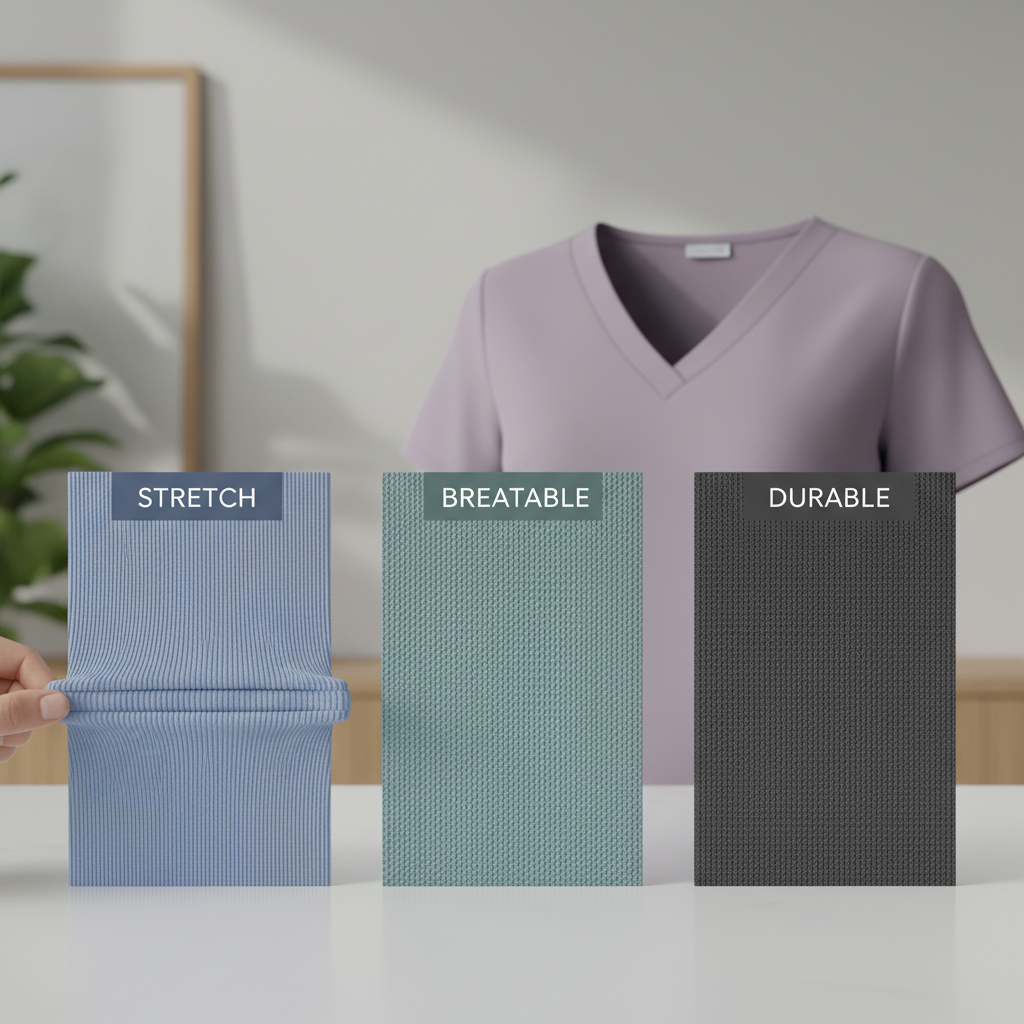
- Comfort over a full shift: fabric weight, breathability, waistband design, seam placement.
- Mobility: 2-way vs 4-way stretch, gussets, articulated knees.
- Professional appearance: color accuracy, opacity, wrinkle resistance.
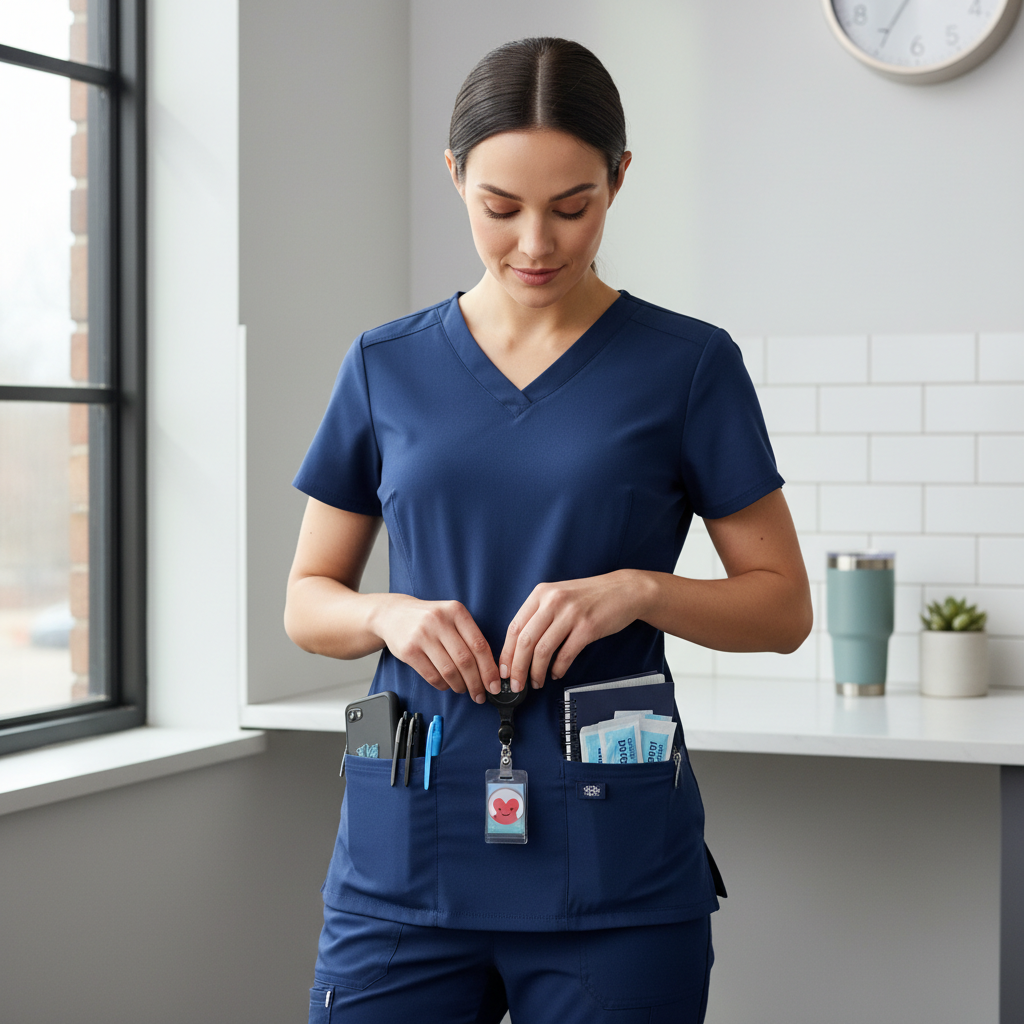
- Work storage: pocket count matters, but pocket placement matters more.
- Care reality: frequent washing, stain exposure, dryer use.
According to CDC, healthcare employers commonly set infection control practices for work clothing and laundering, so it’s smart to align scrub choices with your facility guidance, especially for units with higher exposure risk.
Quick comparison table: features that usually matter most
If you want the fastest way to narrow the field, start here. This table is about tradeoffs, not “winners.”
| What you care about | Look for | Common tradeoff |
|---|---|---|
| All-day comfort | Soft hand-feel, smooth inner seams, flexible waistband | Softer fabrics may show wear sooner if thin |
| Hot units / long rounds | Breathable blends, lighter GSM weight, venting panels | Lightweight can be less forgiving on opacity |
| Durability | Higher fabric weight, reinforced stitching, colorfast dye | Heavier fabric can feel warmer and stiffer |
| Pet hair / lint control | Tighter weave, smoother outer face | Some smoother weaves can feel less “cozy” |
| Pockets for devices | Secure zipper pocket or deep cargo pocket placement | Bulkier silhouette, especially on joggers |
How to choose women’s scrubs by your unit and day-to-day tasks
Many people shop by brand first. I’d flip that: shop by what your shift demands, then pick a brand line that matches.
Med-surg, telemetry, float pool
- Prioritize mobility and pockets, you’re moving, bending, and carrying.
- Look for tops with a chest pocket + 2 front pockets, pants with at least one secure pocket.
- Midweight fabric tends to balance comfort and durability.
ICU, ED, procedure-heavy roles
- Choose durable, easy-clean fabric that holds shape.
- Consider a slimmer fit that won’t snag, but avoid anything restrictive at shoulders and hips.
- Jogger cuffs can be helpful, but only if your facility allows them.
Peds, outpatient, clinic roles
- Comfort and look often matter more than ruggedness, but pilling still matters.
- Lighter fabric can feel better indoors, just check opacity under bright lighting.
The “fit checklist” that prevents most bad purchases
Fit issues are the quiet reason people hate their scrubs. Before you remove tags, do a 90-second test at home.
- Reach test: lift arms overhead, the top shouldn’t ride up enough to expose your midsection.
- Squat test: squat and stand twice, watch for pulling at thighs or seat.
- Sit test: sit as if charting, waistband shouldn’t dig or roll.
- Transparency test: stand under bright light, check pants and top for sheerness.
- Pocket test: load what you actually carry (phone, badge, pens), confirm bounce and sag are manageable.
- Chafe check: scan underarms and inner thighs for seam friction points.
If you’re between sizes, it often depends on cut and fabric stretch. In many cases, sizing up in a fitted top prevents shoulder tightness, while pants can stay true-to-size if the waistband and hips feel stable.
Brand and line shortlist: popular picks nurses often like (and why)
There’s no single “best” for everyone, but a few brands show up repeatedly because their sizing is predictable and their fabrics hold up. Here are common options worth comparing if you’re shopping for best scrubs for nurses women in 2026.
FIGS
- Why people buy: clean, tailored look; soft feel; strong color selection.
- Watch for: some styles run fitted, double-check measurements if you prefer roomier cuts.
Jaanuu
- Why people buy: fashion-forward cuts, performance fabrics, structured silhouettes.
- Watch for: style details can feel “busy” if your workplace prefers minimal designs.
Cherokee (including Infinity)
- Why people buy: widely available, lots of fits, usually durable for the price.
- Watch for: fabric feel varies a lot by line, don’t judge the whole brand by one set.
Grey’s Anatomy by Barco
- Why people buy: softer hand-feel, comfortable for long shifts, solid drape.
- Watch for: some lighter pieces may show wear sooner if you wash hot and dry high.
WonderWink
- Why people buy: practical pockets, dependable basics, easy to find.
- Watch for: fit can be less “athletic” depending on the line, try on if possible.
Key point: brand reputation helps, but the specific line matters more. One brand can have a stiff poly-cotton classic and a buttery stretch line that feels like a different company.
Buying tips that save money (and frustration) in the first month
This is the part most people skip, then regret after three laundry cycles.
- Start with one set: test wash, stain release, shrink, and comfort before buying three more.
- Confirm facility rules: color, logo policy, jogger cuffs, and outerwear vary by employer.
- Plan for temperature swings: some units run cold, layering-friendly tops help.
- Don’t ignore inseam: hem dragging ruins cuffs fast, especially on joggers.
- Keep a backup set: spills happen, and changing mid-shift is easier when you’re prepared.
Care, stains, and infection-control basics (what’s reasonable to do)
Scrubs are work clothing, not delicate fashion. Still, a few habits extend life and keep them looking professional.
- Wash promptly: many stains set when they sit, especially protein-based stains.
- Use the label: the care tag is boring, but it prevents most shrink and fade surprises.
- Avoid high heat by default: hot dryers can shorten fabric life; when you need higher heat for hygiene reasons, follow your employer guidance.
- Skip heavy fabric softener: it can reduce moisture-wicking performance on some technical blends.
According to OSHA, employers are responsible for protecting workers from workplace hazards, and your facility may have specific procedures for contaminated clothing. If you face frequent exposure concerns, it’s worth asking your infection prevention team what laundering approach they recommend for your setting.
Conclusion: a practical way to pick your next set
If you’re trying to land on best scrubs for nurses women without overthinking, pick a midweight stretch blend, verify opacity under bright light, and make sure pockets match what you actually carry. That combination solves most day-to-day annoyance.
Action step that works: buy one set in your required color, wear it for a full shift, wash it twice, then decide if it earns the “buy two more” upgrade. Your future self, five minutes before clock-in, will appreciate that decision.
FAQ
What fabric is best for women’s nursing scrubs in 2026?
Many nurses prefer poly-spandex blends for stretch and easy care, while some still like cotton blends for breathability. The “best” fabric depends on heat, movement, and how harsh your laundry routine is.
Are jogger scrubs appropriate for hospitals?
Often yes, but policy varies by facility and unit. If your employer is strict about a traditional look or cuff style, confirm before investing.
How many pockets do I really need?
Enough to carry your essentials without sagging. A secure pocket for a phone or small device plus a couple of easy-access pockets for pens and gloves covers most workflows.
How do I stop women’s scrub pants from sliding down?
Look for a waistband that matches your hip-to-waist ratio, and consider drawstring plus elastic rather than elastic-only. If you’re constantly tightening the tie, the rise or hip fit may be off.
Which brands run small for women’s scrubs?
It’s more accurate to say certain styles run fitted. Check each brand’s size chart and read notes about cut, especially for tailored tops and high-rise joggers.
What’s the safest way to wash scrubs after exposure concerns?
Follow your facility protocol first. If you’re unsure, ask your manager or infection prevention team, because recommendations can change by exposure type and workplace policy.
Are expensive scrubs worth it?
Sometimes, especially if you value consistent fit and fabric feel and you wear scrubs most days. If you’re testing a new brand, buying one set first is a safer way to judge value.
If you’re trying to standardize your closet for 2026 and want a simpler path, pick one brand line, one fit profile, and two core colors that match your unit rules, then build around comfort and pocket function rather than chasing every new drop.